
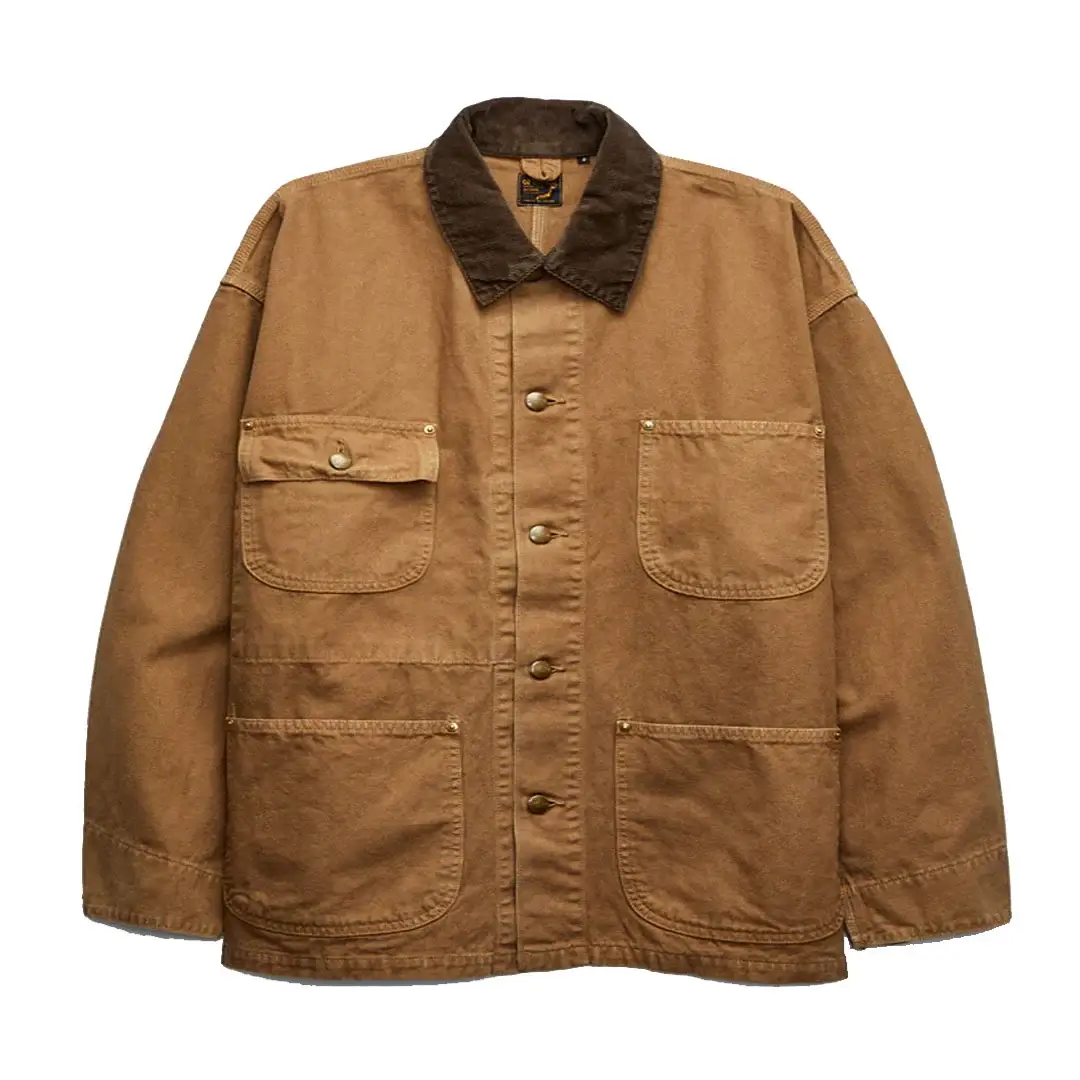
Finding the right clothing size can be difficult when buying Japanese fashion from the United States. Japanese sizing often follows different measurements and fit preferences than many American clothing labels. This can make it harder to choose jeans, jackets, and pants without trying them on first. The orSlow sizing guide helps US buyers understand garment measurements, compare different fits, and select clothing that feels comfortable for everyday wear. Whether you are buying your first pair of Japanese denim jeans or looking for a new workwear jacket, knowing how to read a size chart can prevent common ordering mistakes. The best approach is to measure clothing you already own, compare those measurements with the product details, and think about how you want each item to fit.
Understanding orSlow Sizing for US Buyers
Japanese clothing brands often use sizing systems that differ from American standards. A Japanese size 2, for example, should not automatically be treated as the same as a US medium. The actual measurements can change between garments, collections, and styles. This is why choosing a size based only on the letter or number shown on a label can lead to an uncomfortable fit.
When shopping for orSlow, US customers should pay attention to chest width, shoulder width, body length, waist, rise, thigh width, and inseam. These measurements give a clearer picture of how a garment will fit than a size label alone. Some pieces have a relaxed workwear shape, while others have a closer cut. Checking the measurements for each product is a better way to make a confident purchase.
Another point to remember is that personal fit preferences matter. Someone who likes loose clothing may prefer a different size from someone who wants a closer silhouette. Your usual American clothing size can serve as a starting point, but it should not be the final deciding factor.
How to Choose the Right orSlow Jeans Size
orSlow Jeans are one of the most popular categories for shoppers interested in Japanese denim. Different cuts can have noticeable differences in waist placement, leg width, rise, and overall shape. A comfortable pair should fit well around the waist while giving your legs enough room to move.
Measure Your Waist Before Ordering
Start by measuring your natural waist or the area where you normally wear your jeans. For a more accurate comparison, take a pair of jeans that already fits you well and lay it flat on a table. Measure across the waistband from one side to the other, then double that number to estimate the full waist measurement. Compare this figure with the measurements listed for the jeans you want to buy.
Keep in mind that the waistband measurement of a garment may differ from your body measurement. The rise and cut can also affect where the jeans sit on your waist. If you prefer wearing denim lower on your hips, compare the measurements at that position rather than relying only on your natural waist.
Understand Different Jean Fits
The cut of a pair of jeans affects both comfort and appearance. Straight-leg jeans offer a balanced shape from the thigh toward the hem. Relaxed jeans provide more room through the seat and legs, making them suitable for casual outfits. Slimmer styles create a closer appearance and may feel more fitted around the thighs and lower legs.
Before ordering, look at the product description and leg measurements. Thigh width is especially useful because two pairs with similar waist measurements can feel very different when worn. If you prefer room for movement, avoid choosing a cut that feels too narrow through the upper legs.
Check the Inseam and Leg Length
Inseam measurement helps you understand how long your jeans will be. Measure from the crotch seam to the bottom of the leg on a pair you already wear. Compare this number with the listed inseam of your chosen style.
US buyers should also think about footwear and styling preferences. Some people prefer jeans that reach the top of their shoes, while others like a shorter length with visible socks. A longer inseam can allow for a folded hem, but it may need alteration if you prefer a clean finish.
Choosing the Correct orSlow Jacket Size
Jackets need careful sizing because their fit depends on the shoulders, chest, sleeves, and layers worn underneath. A jacket that fits perfectly over a T-shirt may feel tight when worn over a sweatshirt. Think about how you plan to wear it throughout the year before selecting a size.
Measure Chest and Shoulder Width
To measure chest width, take a jacket that fits you comfortably and lay it flat. Measure straight across the chest from one underarm seam to the other. Double this measurement to estimate the full chest circumference. For shoulder width, measure from one shoulder seam to the other across the back.
These figures help you compare the jacket with clothing you already own. A closer fit may work well for lightweight layers, while extra room can be useful for heavier shirts and sweatshirts.
Check Sleeve Length and Jacket Length
Sleeve length affects how comfortable a jacket feels when you move your arms. Compare the sleeve measurement with a jacket that fits your arms well. Also check the body length, especially if you prefer jackets that sit around the waist rather than covering the hips.
Different jacket styles have different shapes. A work jacket may have a shorter body and a relaxed cut, while a longer outerwear style may offer more coverage. Read the product description and check all available measurements before choosing.
Leave Room for Layering
If you plan to wear your jacket during colder US months, consider the layers underneath it. A close-fitting size may feel restrictive over a thick sweatshirt or knitwear. A little extra room can make the jacket more comfortable without making it look too large.
For warmer weather, a lighter fit may be more suitable. Your choice should depend on the season, the clothing underneath, and the appearance you want.
Finding the Best orSlow Pants Size
Pants sizing involves more than waist measurements. The rise, seat, thigh width, leg opening, and inseam all affect the way a pair fits. Two styles with the same waist size can have very different shapes, so it is worth checking the complete measurement chart.
Compare Waist and Rise Measurements
The waist measurement tells you how a pair of pants fits around your middle, while the rise determines how high it sits on your body. A higher rise offers more coverage and can create a traditional workwear appearance. A lower rise sits closer to the hips and may feel different when sitting or bending.
Measure a pair of pants that you find comfortable and compare its waistband and front rise with the product details. This gives you a more realistic idea of what to expect.
Check Thigh and Leg Opening
Thigh width is useful when choosing relaxed or straight-cut pants. If you have larger thighs or prefer extra movement, look for a style with enough space through the upper leg. The leg opening also affects how the pants sit over boots, sneakers, or casual shoes.
Fatigue pants and other workwear-inspired styles often have a roomier appearance. Their shape can look different from standard casual trousers, so checking product photographs alongside the measurements can help you understand the cut.
Choose the Right Length
Pant length should suit your height and preferred footwear. Measure the inseam of a pair that fits well and compare it with the listed figure. If the pants are longer than you need, check whether alterations are suitable for that particular fabric and construction.
Some buyers prefer a clean hem, while others like a small fold at the bottom. Both approaches can work, but the right length will make the overall outfit look more balanced.
How to Convert Japanese Sizes Into US Sizes
Japanese clothing sizes are often shown with numbers such as 1, 2, 3, and 4. US clothing commonly uses XS, S, M, L, and XL. These systems are not directly interchangeable, so there is no universal conversion that works for every garment.
A Japanese size 2 may fit differently depending on the garment type and cut. A size 2 jacket and size 2 pair of pants do not necessarily share the same body measurements. Even two jeans from the same label can have different waist and thigh dimensions.
The safest method is to use the product’s own size chart. Compare the listed measurements with your body or a garment you already own. If you are between two sizes, think about the intended fit. A closer cut may call for a different choice than a relaxed workwear style.
US buyers should also check whether measurements are displayed in centimeters or inches. To convert centimeters into inches, divide the measurement by 2.54. For example, a 76 cm waist is approximately 30 inches. This simple calculation makes Japanese size charts easier to understand.
Common Sizing Mistakes to Avoid When Buying orSlow
One common mistake is ordering the same size you wear in American brands without checking the measurements. Clothing sizes are not consistent across countries or labels, so this approach can lead to a poor fit. Another mistake is focusing only on the waist when buying jeans or pants. Thigh width, rise, and inseam can change how comfortable a garment feels.
Jacket buyers sometimes overlook shoulder width and sleeve length. These measurements are difficult to correct through simple alterations, so they deserve attention before placing an order. Some shoppers also forget to account for layering and end up with jackets that feel too tight over heavier clothing.
It is also worth avoiding decisions based only on model photographs. The height, build, and selected size of the person wearing the garment may differ from yours. Product photographs can help you understand the general shape, but measurements provide a more useful guide for selecting your size.
Tips for Buying orSlow Clothing Online in the USA
Online shopping makes it possible to find Japanese denim, workwear jackets, fatigue pants, and other styles without visiting a physical shop. The challenge is choosing the right size when you cannot try on the garment first. A few simple checks can make the buying process easier.
Start by reading the complete product description and checking the available size chart. Look for garment measurements rather than relying only on general size labels. If the product page includes details about the model’s height and selected size, use that information as an additional reference.
Check the fabric description as well. Denim, cotton twill, and other materials can feel different when worn. Some fabrics may soften or change slightly with regular use and washing, while others hold their original shape more closely. Do not assume that every garment will shrink by the same amount.
Before completing your order, review the return and exchange policy. This is especially useful when buying Japanese clothing for the first time. Check whether returns are accepted, whether exchange options are available, and who pays the return shipping cost. These details can make a difference if the selected size does not fit as expected.
FAQs About orSlow Sizing
1. Does orSlow Run Small Compared to US Sizes?
Japanese sizing can differ from common US sizing, but the fit depends on the garment and its cut. Check the individual product measurements instead of assuming that your usual American size will fit.
2. How Do I Choose My orSlow Jeans Size?
Measure the waist, thigh, and inseam of jeans you already own. Compare those figures with the product size chart and consider whether you prefer a straight, slim, or relaxed fit.
3. Should I Size Up When Buying orSlow Jackets?
Sizing up is not always necessary. Check the chest, shoulder, and sleeve measurements first. If you plan to wear thick layers underneath, extra room may provide a more comfortable fit.
4. Are orSlow Pants True to Size?
Fit can vary between different pant styles. Waist placement, rise, thigh width, and leg shape all affect the final fit. Always check the measurements for the specific pair you want to buy.
5. Can I Convert Japanese orSlow Sizes Into US Sizes?
You can use US and Japanese size labels as a rough reference, but they are not exact matches. Comparing garment measurements in inches or centimeters is a more reliable way to select the right size.
Final Thoughts
Choosing the right clothing size becomes easier when you understand how Japanese measurements differ from common US sizing. For jeans, focus on waist, thigh width, rise, and inseam. For jackets, pay attention to chest, shoulders, sleeves, and room for layering. For pants, compare waist, rise, leg opening, and length before ordering. The orSlow sizing guide gives US buyers a practical way to assess these details and avoid common fit mistakes. Rather than relying on a familiar size label, compare each garment with clothing you already own and think about how you want it to sit on your body. This approach can help you choose jeans, jackets, and pants that suit your daily wardrobe.