7 Signs It’s Time to Replace Your Roof Instead of Repairing It
Is It Time for a New Roof? Understanding When Repairs Are No Longer Enough
Every roof has a lifespan. While regular maintenance and timely repairs can keep a roof in excellent condition for many years, there comes a point when replacing the entire roofing system becomes the smarter long-term investment. Many homeowners continue paying for repeated repairs, believing they are saving money, only to discover that the underlying problems continue to return.
Across Surrey, Sussex, and South West London, roofs are constantly exposed to heavy rain, strong winds, fluctuating temperatures, and seasonal weather changes. Over time, these conditions gradually weaken roofing materials, reduce structural integrity, and increase the likelihood of persistent leaks.
Knowing when to stop repairing and start planning for a complete roof replacement can save thousands of pounds in future maintenance costs while improving your property’s appearance, energy efficiency, and value.
This guide explains the most common signs that indicate your roof may need replacing rather than another temporary repair.
Why Every Roof Has a Lifespan
No roofing material lasts forever. Even high-quality roofs eventually deteriorate due to years of exposure to the elements.
The average lifespan varies depending on the material:
Concrete Roof Tiles
Typically last between 40 and 50 years with proper maintenance.
Natural Slate Roofs
Can often exceed 75 years when professionally installed.
Felt Flat Roofs
Usually last around 15 to 20 years.
EPDM Rubber Roofing
Often provides reliable performance for 30 years or more.
Although routine maintenance extends roof life, age eventually affects waterproofing, structural strength, and overall performance.
1. You’re Constantly Paying for Roof Repairs
One repair every few years is completely normal.
However, if you’re arranging roofing repairs every winter or after every period of bad weather, your roof may have reached the point where replacing it offers better long-term value.
Repeated issues such as:
- Broken roof tiles
- Persistent leaks
- Loose ridge tiles
- Failing flashing
- Water ingress
often indicate widespread deterioration rather than isolated damage.
Instead of continuing to invest in temporary solutions, a new roofing system eliminates recurring problems and provides greater peace of mind.
2. Your Roof Is Showing Its Age
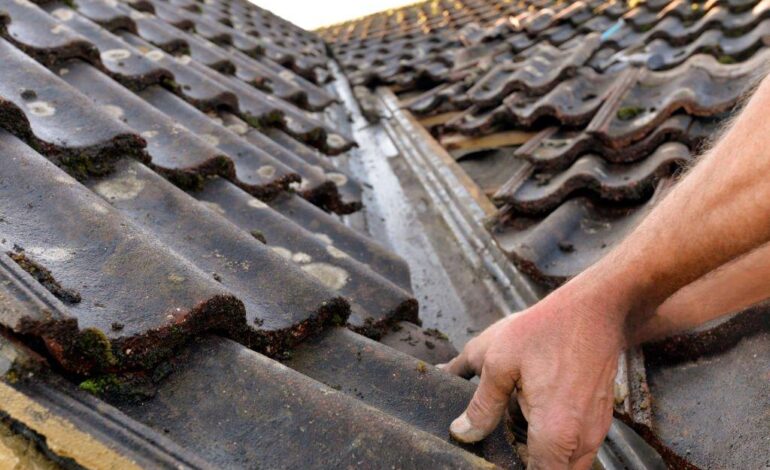
Older roofs may still appear acceptable from street level while hiding significant deterioration underneath.
Common signs of an ageing roof include:
Uneven Rooflines
Sagging sections often suggest weakened structural timbers or prolonged water damage.
Discoloured Tiles
Years of weather exposure gradually affect the appearance and performance of roofing materials.
Crumbling Mortar
Loose ridge tiles and deteriorating pointing allow water to penetrate vulnerable areas.
Worn Underlay
Older roofing felt can become brittle, reducing protection against moisture.
If your roof is approaching the end of its expected lifespan, replacing it before major failures occur can help avoid emergency repairs.
3. Multiple Leaks Keep Appearing
One isolated leak can usually be repaired.
Several leaks in different areas often indicate that the entire roofing system is beginning to fail.
Water commonly enters through:
- Chimney flashing
- Roof valleys
- Damaged tiles
- Roof vents
- Ridge tiles
- Ageing underlay
When multiple areas require attention, replacing the roof often becomes the more practical and cost-effective option.
4. Storm Damage Has Affected Large Areas
The weather across Surrey, Sussex and South West London can be unpredictable.
Strong winds, heavy rain and occasional storms place significant pressure on roofing materials.
Following severe weather, homeowners may notice:
- Missing roof tiles
- Lifted ridge tiles
- Damaged flashing
- Broken gutters
- Water entering loft spaces
While isolated storm damage can often be repaired, extensive damage affecting large sections of the roof may require a complete replacement to restore long-term protection.
5. Your Energy Bills Continue to Rise
Many homeowners overlook the relationship between roofing and energy efficiency.
An ageing roof often allows heat to escape through damaged insulation and deteriorated roofing materials.
Replacing an older roof with modern breathable membranes and improved insulation can help:
- Reduce heat loss
- Improve indoor comfort
- Lower heating costs
- Improve ventilation
- Reduce condensation
A new roof not only protects your home but also contributes to greater energy efficiency throughout the year.
6. You’re Planning to Sell Your Home
First impressions matter.
An ageing roof can discourage potential buyers and raise concerns during property surveys.
A professionally installed new roof can:
- Improve kerb appeal
- Increase buyer confidence
- Reduce future maintenance concerns
- Add value to your property
- Make your home more attractive in a competitive market
Many homeowners choose to replace their roof before selling to maximise their property’s appeal.
7. You’re Renovating or Extending Your Property
If you’re investing in major home improvements such as a loft conversion, extension or complete renovation, it’s worth considering the condition of your roof.
Replacing the roof during larger building works often saves time and avoids future disruption.
It also ensures the entire property benefits from modern materials and consistent workmanship.
Repair or Re-Roofing: Which Is the Better Investment?
One of the most common questions homeowners ask is whether repairing or replacing a roof offers better value.
Roof repairs are generally suitable when:
- Damage is localised.
- The roof is relatively modern.
- The structure remains sound.
- Leaks are isolated.
Re-roofing becomes the better option when:
- Repairs have become frequent.
- Multiple sections are failing.
- Roofing materials have reached the end of their lifespan.
- Structural deterioration is present.
Although replacing a roof requires a larger upfront investment, it often eliminates years of ongoing repair costs.
Benefits of Investing in a New Roof
Choosing a professionally installed roofing system offers numerous long-term advantages.
These include:
Improved Weather Protection
Modern roofing materials provide excellent resistance against rain, wind and frost.
Increased Property Value
A new roof is an attractive feature for future buyers.
Better Energy Efficiency
Improved insulation helps reduce heating costs throughout the year.
Lower Maintenance Costs
New roofing systems require significantly fewer repairs compared with ageing roofs.
Enhanced Kerb Appeal
A new roof dramatically improves the appearance of your property.
Choosing the Right Roofing Contractor
A roof replacement is a significant investment, making it essential to choose an experienced contractor.
Before making a decision, consider:
Experience
Select a company with a proven history of installing complete roofing systems.
Insurance
Always confirm public liability insurance is in place.
Detailed Quotations
Choose contractors who provide transparent written quotations outlining materials, labour and project timelines.
Customer Reviews
Read genuine customer feedback to understand workmanship and reliability.
Local Expertise
Roofers working throughout Surrey, Sussex and South West London understand local building styles, planning considerations and weather conditions.
If you’re considering professional <a href=”https://lfroofingdrivewaysltd.co.uk/roofing-services/re-roofing/”>Re Roofing</a>, working with an experienced local company helps ensure your new roof delivers lasting protection and excellent value.
Frequently Asked Questions
How long does a roof replacement usually take?
Most residential roof replacements are completed within several days, depending on the property’s size, roof design and weather conditions.
Is replacing a roof better than repairing it?
If your roof has widespread damage, recurring leaks or has reached the end of its lifespan, replacement often provides a better long-term return on investment.
Will a new roof improve energy efficiency?
Yes. Modern roofing systems and insulation can significantly reduce heat loss and improve your home’s overall energy performance.
How do I know if my roof is beyond repair?
A professional roofing inspection can assess the condition of your roof and determine whether repairs are still practical or if replacement is the most cost-effective solution.
Conclusion
Replacing a roof is a major investment, but it is often the most effective way to protect your home from future problems. Persistent leaks, ageing materials, widespread damage and increasing maintenance costs are all signs that repairs alone may no longer be enough. By recognising these warning signs early, homeowners can plan ahead, improve their property’s energy efficiency and avoid unexpected roofing emergencies.
How a Roofer in Foothill Square Can Extend the Life of Your Roof