Color Coated Board Price Trend Q2 2026: China vs India, Explained
Two numbers tell most of the story this quarter. China’s color coated board is priced at USD 957.00 per metric ton, FOB, as of June 2026. India’s sits at USD 1,045.00 per metric ton, CIF. That’s an USD 88 gap. Not massive. But if you’re buying in bulk, it adds up fast.
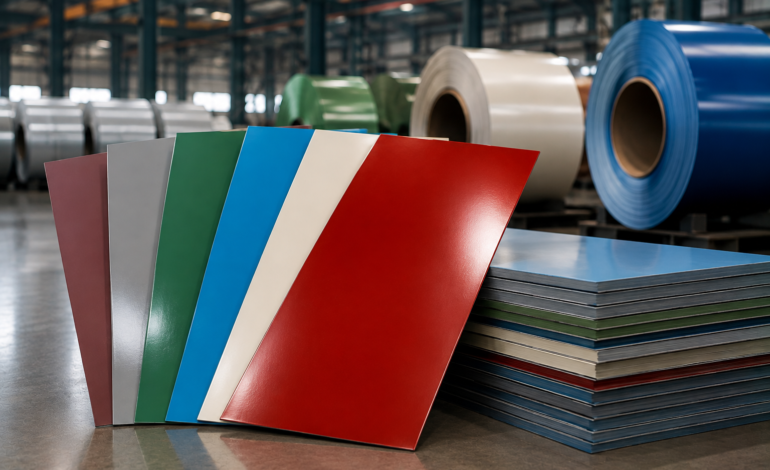
Color coated board shows up everywhere once you start looking for it. Roofing panels. Appliance casings. Prefab construction. The building trade calls it PPGI or PPGL depending on the coating, and demand for it tends to track construction cycles pretty closely. So when the price moves, it’s usually saying something about what’s happening in that broader sector.
Let’s get into what June’s numbers actually show, and why they landed where they did.
Current Color Coated Board Prices: China vs India
| Product | Region | Incoterm Basis | Price | Last Updated |
|---|---|---|---|---|
| Color Coated Board | China | FOB | USD 957.00/MT | June 2026 |
| Color Coated Board | India | CIF | USD 1,045.00/MT | June 2026 |
Inquire for Latest Market Prices :- https://www.procurementresource.com/resource-center/color-coated-board-price-trends/pricerequest
China’s number is FOB. Loaded onto the vessel, nothing beyond that included. India’s is CIF, so freight and insurance are already folded into that USD 1,045.00 figure. Comparing the two isn’t quite apples to apples for that reason alone.
A few things buyers should keep in mind:
- FOB pricing leaves shipping and insurance for the buyer to arrange and pay separately.
- CIF pricing bundles those costs in, which is part of why India’s number reads higher out of the gate.
- Both figures are June 2026 snapshots. Steel-linked products can shift within a few weeks, so don’t treat this as a fixed annual rate.
Strip out the incoterm difference and the real production-cost gap between the two markets is probably smaller than USD 88 suggests. Still, as a landed-cost comparison, this is what buyers are actually working with.
What’s Behind the Color Coated Board Price Trend
Prices like these rarely move for one reason alone.
Base steel costs. Color coated board starts as cold-rolled or galvanized steel coil before the coating goes on. When hot-rolled coil or iron ore prices shift, that cost flows straight into the coated product within a matter of weeks.
Coating material costs. Zinc, aluminum, and the paint or resin used in the coating layer all carry their own price movements. A jump in zinc prices alone can nudge coated board pricing even if steel itself stays flat.
Regional demand. China runs enormous domestic production capacity, and a good chunk of it feeds export markets directly. India still imports meaningfully, particularly for higher-grade coated products used in premium roofing and appliances, and that import reliance shows up in the CIF number.
Freight and shipping. Container availability, bunker fuel, port delays. All of it filters into landed cost, and it’s often the swing factor that separates two markets more than production economics does.
Quick Q&A: What Buyers Are Actually Asking
Is China’s lower price always the better deal?
Not necessarily. FOB pricing means the buyer absorbs freight, insurance, customs, and often longer lead times. Once those get added, the real landed cost can close in on India’s CIF figure fast.
Why does India’s price include more upfront?
Because it’s quoted CIF. Insurance and freight are already built into that USD 1,045.00 number, so there’s less guesswork on the buyer’s end regarding total cost.
Does grade or coating type change this comparison?
Yes, quite a bit actually. Premium coatings, thicker gauges, or specialty finishes push prices well above these baseline figures. Treat June’s numbers as a benchmark, not a ceiling.
What This Means for Buyers and Investors
Buyers sourcing from China get a lower headline price but take on more of the logistics burden. That works fine for companies with established freight relationships and import infrastructure. Smaller buyers without that setup often find the CIF option from India simpler to plan around, even at a higher sticker price.
Investors watching the construction materials space should note the import dependency India still carries here. That gap tends to attract capacity investment over time, and a few Indian producers have already been expanding coating lines to chip away at it.
For procurement teams working with roofing contractors or appliance manufacturers, this price data is worth feeding into cost forecasts now. Coated board costs tend to show up in finished product pricing within a quarter or two, so early visibility matters.
Looking Ahead: Q2 2026 Outlook
The China-India spread looks likely to hold through the rest of Q2 2026. Neither side’s underlying structure changes overnight. Steel input costs and coating material prices will probably do more to move things than any sudden shift in trade flows.
Construction activity in both regions is worth watching too. A pickup in infrastructure spending, especially in India, could tighten supply and push CIF pricing higher still. On the flip side, softer demand could pull both numbers down together, though probably not at the same pace.
Buyers locking in supply contracts right now should treat June’s figures as current, not fixed. Steel-linked commodities move, and a contract signed off stale pricing data rarely works out well.
Conclusion
The color coated board price trend for Q2 2026 puts China at USD 957.00/MT FOB and India at USD 1,045.00/MT CIF, both as of June 2026. That USD 88 gap comes down to incoterm structure, import reliance, and how each market handles freight and coating input costs. For anyone buying, investing in, or forecasting around coated steel products, tracking this spread closely is just part of staying ahead of cost swings before they hit downstream pricing.
FAQ Section
What is the current color coated board price trend in China and India?
As of June 2026, China’s color coated board is priced at USD 957.00/MT FOB, while India’s sits at USD 1,045.00/MT CIF. The gap reflects differences in incoterm basis, freight inclusion, and each country’s reliance on imported coated steel.
Why is India’s color coated board price higher than China’s?
India’s figure is quoted CIF, meaning freight and insurance are already included. China’s FOB price leaves those costs for the buyer to arrange separately. India also imports a larger share of higher-grade coated products, which adds to its landed cost.
What factors drive color coated board prices the most?
Base steel costs come first, followed by coating materials like zinc and aluminum, then freight and regional demand. Since coated board starts as steel coil, any shift in hot-rolled coil pricing tends to show up in the final product fairly quickly.
How often do color coated board prices change?
They can shift every few weeks depending on steel input costs and shipping conditions. June 2026 figures work as a solid reference point, but buyers negotiating contracts should always check for updated pricing before committing to terms.
What’s the outlook for color coated board prices in Q2 2026?
The China-India price gap should hold through Q2 2026, driven mainly by steel and coating cost trends rather than any major shift in trade flows. Construction demand in both regions, especially India, could push CIF pricing higher if activity picks up.
Read Also :- Natural Rubber Price Trend