Spandex Price Trend Q2 2026: What’s Happening in China and India
Spandex prices moved again in June 2026, and the numbers give a decent snapshot of where this market stands right now. China’s spandex is priced at USD 4,404.04/MT on an FOB basis. India’s landed cost comes in at USD 4,492.03/MT, CIF. Close, but not identical. That gap of roughly USD 87.99 per metric ton matters more than it looks once you scale it across real order volumes.
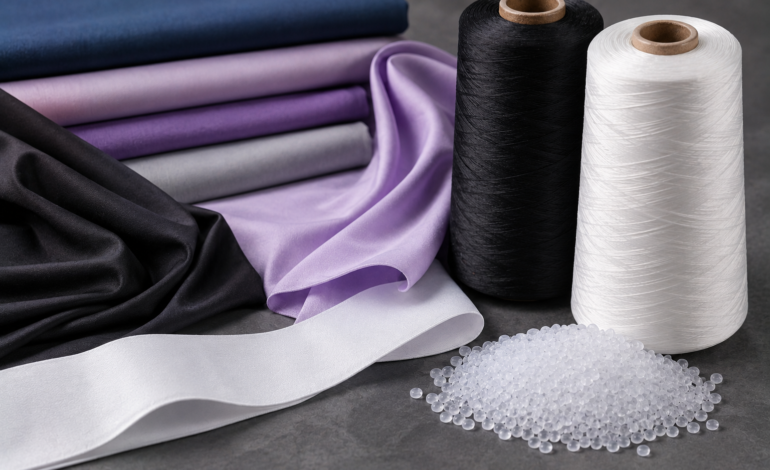
Spandex, sometimes called elastane depending on where you’re sourcing from, sits underneath a huge chunk of the apparel and activewear industry. Stretch fabrics, sportswear, denim blends. Almost none of it works without spandex mixed in somewhere. So when this price moves, textile manufacturers feel it fast.
Current Spandex Prices: China vs India
| Product | Region | Incoterm Basis | Price | Last Updated |
|---|---|---|---|---|
| Spandex | China | FOB | USD 4,404.04/MT | June 2026 |
| Spandex | India | CIF | USD 4,492.03/MT | June 2026 |
Inquire for Latest Market Prices :- https://www.procurementresource.com/resource-center/spandex-price-trends/pricerequest
A few points worth sitting with:
- China’s price is FOB. That means the cost stops once the goods clear the export port. Freight and insurance from there fall on the buyer.
- India’s price is CIF. Freight and insurance are already folded in, which naturally lifts the number compared to an FOB quote.
- Both figures are June 2026 snapshots. Spandex pricing shifts with feedstock and demand, so treat these as current, not fixed.
Comparing FOB to CIF directly stretches the comparison a bit thin. Part of the spread comes purely from what each incoterm includes. Still, side by side, they give buyers a working sense of regional cost.
Why Spandex Prices Move
Feedstock and production costs. Spandex comes from polyurethane chemistry, built mainly on MDI and PTMEG. Both track crude oil movements closely. When crude shifts, spandex producers rarely wait long to adjust.
Downstream textile demand. China runs a massive garment manufacturing base, and spandex demand there rises and falls with export orders for activewear and denim. India’s textile sector is growing too, but it leans on a mix of domestic production and imports to fill gaps.
Currency swings. Spandex trades in dollars across most of Asia. A weaker rupee makes Indian imports cost more in local currency terms even if the dollar price barely changes.
Shipping and port conditions. Container availability out of Chinese ports has tightened at times through 2026. That kind of bottleneck pushes freight costs up, which shows up directly in landed CIF numbers like India’s.
A Quick Q&A on the Current Spread
Why is India’s price higher when its currency has been under less pressure lately?
Mostly the incoterm. CIF already bundles freight and insurance into the number. FOB doesn’t. So part of that USD 87.99 gap isn’t really about China versus India at all, it’s about what’s included in the quote.
Does that mean China is actually cheaper once freight gets added?
Not necessarily. Once a buyer adds freight and insurance onto China’s FOB price to make it comparable to India’s CIF figure, the real gap could shrink or even flip depending on shipping routes and current freight rates. Worth running the math on a case by case basis rather than assuming.
What This Means for Buyers and Investors
Textile manufacturers sourcing spandex directly should look past the sticker price. FOB from China puts more logistics work on the buyer’s side. That can pay off if a company already has strong freight arrangements. If not, the “cheaper” China number can end up costing more once everything’s added.
Investors watching the elastane and synthetic fiber space might read India’s higher landed cost as a signal. Local production capacity in India has been expanding slowly, and a persistent import premium is exactly the kind of gap that draws capital toward domestic manufacturing.
Buyers advising apparel brands should treat spandex pricing as an early cost signal for finished garments. Spandex is a small percentage by weight in most fabric blends, but price swings still ripple into fabric costs within a season or two.
Looking Ahead: Q2 2026 Outlook
Where this goes next depends heavily on crude oil and freight, more than anything specific to either country. If crude stays roughly where it’s been, expect the China-India spread to hold in a similar range through Q2 2026.
Freight is the wildcard. A sudden spike in container rates out of China could widen the gap fast, since India’s CIF price would absorb that cost more directly than China’s FOB figure.
Buyers locking in supply contracts for Q3 should check current rates before committing. June 2026 numbers are a solid reference point, not a promise of where prices sit next month.
Conclusion
The spandex price trend for Q2 2026 puts China at USD 4,404.04/MT FOB and India at USD 4,492.03/MT CIF, both from June 2026. Part of that gap comes down to feedstock and freight, part of it comes down to what each incoterm actually covers. For textile buyers, investors, and anyone advising apparel manufacturers, tracking this spread closely is a smart habit going into the rest of the year.
FAQ Section
What is the current spandex price trend in China and India?
China’s spandex sits at USD 4,404.04/MT FOB, while India’s runs USD 4,492.03/MT CIF, both as of June 2026. Some of the gap comes from incoterm differences since CIF already includes freight and insurance that FOB leaves out.
Why is spandex from India priced higher than China’s?
India’s quote is CIF, so freight and insurance costs are already built in. China’s FOB price only covers goods to the export port. Once a buyer adds shipping costs to China’s number for a fair comparison, the actual difference often looks smaller than it first appears.
What raw materials affect spandex pricing the most?
Spandex production relies heavily on MDI and PTMEG, both derived from petrochemical feedstocks tied to crude oil. When crude prices shift, spandex costs tend to follow within a short window since producers have little room to absorb sudden cost changes.
How often does spandex pricing change?
Spandex prices can shift monthly or even more often depending on feedstock costs and shipping conditions. The June 2026 figures here work well as a benchmark, but buyers should always confirm current rates before locking in large purchase contracts.
What’s the outlook for spandex prices through Q2 2026?
Expect the China-India spread to hold near its current range unless crude oil or freight rates move sharply. Container availability out of China is the biggest wildcard right now, and a spike there could widen the gap faster than feedstock costs alone.
Read Also :- Color Coated Board Price Trend