Custom Cosmetic Boxes: A Realistic Budget Breakdown for Startups and Growing Brands
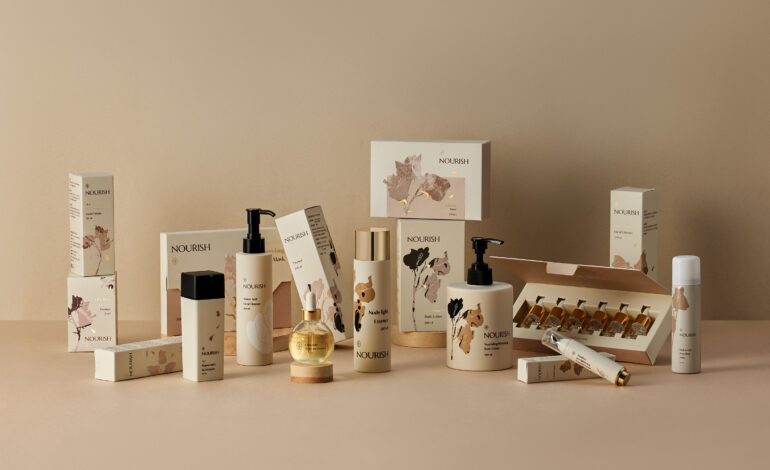
Custom cosmetic boxes typically cost more per unit for small startup orders and less per unit as volume grows, with pricing shaped by material, print complexity, order size, and finishing choices. Budgeting for packaging works best when it’s planned in stages that match a brand’s actual growth, rather than committing to one large spend upfront.
Packaging is one of those costs that’s easy to underestimate when building a beauty brand. It’s not just the price per box — it’s setup fees, sample rounds, storage, and the risk of ordering the wrong quantity. This piece breaks down what packaging spending actually looks like at different stages of growth, so brands can plan realistically instead of guessing.
Stage One: The First Small Batch
Most new beauty brands start with a modest order, often just enough to launch a product and gather real sales data before committing further. At this stage, per-unit costs for custom cosmetic boxes tend to run higher than they will later, mainly because setup costs like printing plates and die-cutting get spread across a smaller number of units.
This is normal, and it’s not a reason to skip custom packaging entirely in favor of generic containers. A small first batch is really an investment in learning: how the product performs in that packaging, how customers respond to the unboxing, and whether the size and structure actually work in practice. Spending slightly more per unit here to get real feedback is usually worth it compared to guessing at a much larger volume later.
Stage Two: Scaling After Initial Sales
Once a product has proven itself with an initial batch, the economics shift. Ordering a larger volume of custom cosmetic boxes spreads that same setup cost across far more units, which is where the per-unit price starts dropping meaningfully. Many suppliers offer tiered pricing at specific quantity thresholds, so it’s worth asking directly where those breakpoints sit rather than assuming pricing scales in a straight line.
This stage is also when brands often reconsider their earlier packaging decisions. A finish or material that felt affordable at a small volume might no longer be the most cost-effective choice at scale, or a brand might discover that a slightly different box style performs better for shipping. Treating the second order as an opportunity to refine, not just repeat, tends to pay off.
Stage Three: Established Brands With Predictable Demand
Brands with steady, forecastable sales are in the best position to optimize packaging costs, since they can commit to larger wholesale orders with confidence. At this stage, the biggest cost lever often isn’t the order size anymore — it’s negotiating better terms, locking in consistent material sourcing, and reducing waste from overordering seasonal or limited designs.
Established brands also tend to benefit from consolidating packaging needs with a single supplier rather than splitting orders across multiple vendors. Fewer setup fees, more consistent color matching, and stronger negotiating leverage all come from that kind of long-term relationship.
Cost Factors Worth Understanding
A few variables have an outsized impact on the final price of custom cosmetic boxes, regardless of what stage a brand is at:
- Material choice — rigid board costs more than folding carton or standard paperboard
- Print complexity — multiple colors and detailed graphics cost more than simple, one or two-color designs
- Finishing techniques — foil stamping and embossing add cost compared to a plain matte or gloss finish
- Structural complexity — custom die-cut shapes or inserts cost more than standard box dimensions
- Order volume — larger runs lower the per-unit price but require more upfront cash
Understanding which of these matters most for a specific brand helps prioritize spending. A brand focused on premium positioning might accept higher material and finishing costs, while a brand focused on volume and margin might prioritize simpler structures and larger order sizes instead.
Common Budgeting Mistakes
A few recurring mistakes show up across brands at every stage:
- Ordering too much too early, tying up cash in inventory before demand is proven
- Skipping the sample stage to save a small amount upfront, then paying far more to fix a full production run
- Underestimating storage costs for large wholesale orders, especially for brands without dedicated warehouse space
- Choosing the cheapest option without checking durability, leading to damaged shipments and costly returns
- Not asking about tiered pricing, missing out on meaningful savings at slightly higher order volumes
Avoiding these mistakes usually comes down to asking direct questions before committing to an order, rather than assuming pricing and risk work a certain way without confirming it.
Working With a Supplier Who Understands Growth Stages
Budgeting for packaging gets significantly easier when working with one dependable custom packaging boxes supplier who understands how needs shift as a brand grows. A trusted packaging partner can guide a startup through its first small batch, then support the same brand as it scales into larger wholesale orders, without forcing a switch to a new vendor every time volume changes.
Frequently Asked Questions
How much do custom cosmetic boxes typically cost for a small startup order? Costs vary widely based on material and finish, but small orders generally carry a higher per-unit price due to setup fees being spread across fewer units.
When does it make sense to switch to a larger wholesale order? Once sales data shows consistent, predictable demand, a larger order usually lowers per-unit cost enough to justify the larger upfront commitment.
What’s the biggest hidden cost in packaging budgets? Storage and cash tied up in overordered inventory are often underestimated, especially for brands without dedicated warehouse space.
Is it worth paying more for premium finishes early on? It depends on brand positioning. Premium finishes can support a higher price point, but they’re not necessary for every product to succeed.
Final Thoughts
Budgeting for custom cosmetic boxes works best when it’s treated as a staged process rather than a single decision made once at launch. Starting small, scaling deliberately, and optimizing once demand is predictable helps brands avoid both overspending too early and underinvesting in packaging that actually protects their product and brand image. A clear-eyed budget, built around real growth stages, tends to serve a brand far better than chasing the lowest price at every single order.