
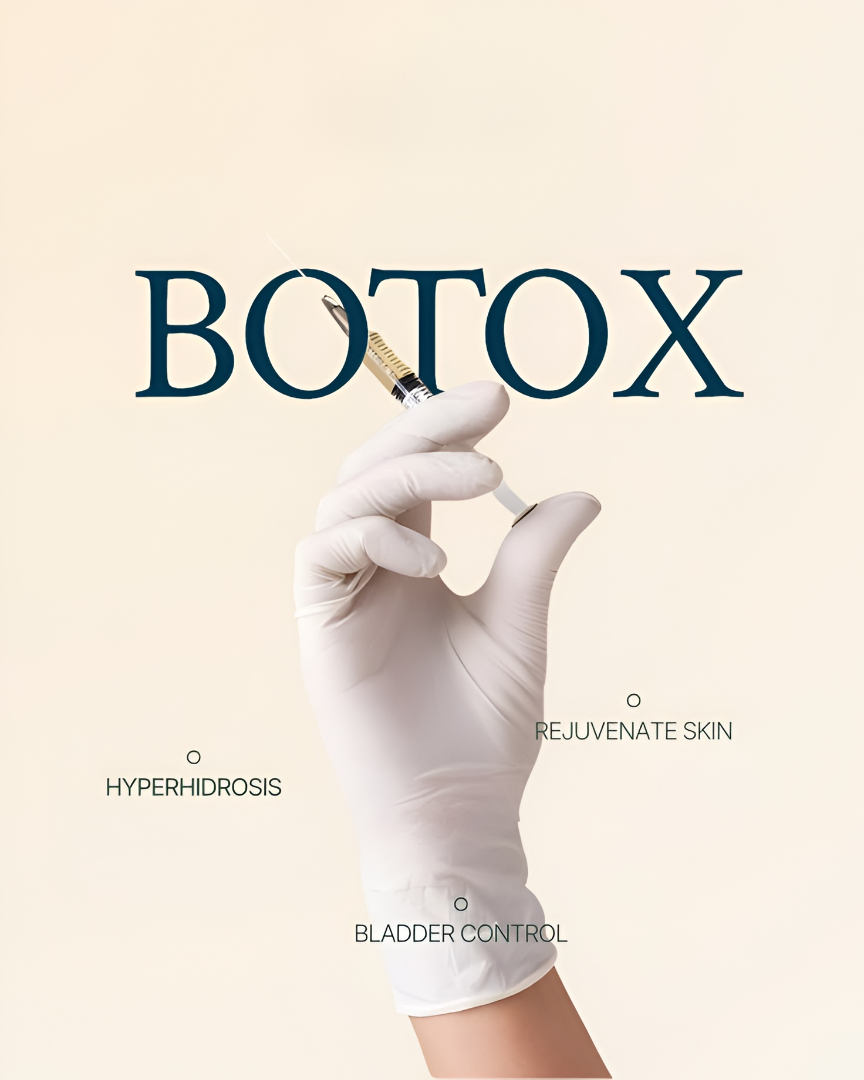
Botox in Islamabad offers a non-surgical option for people who want to soften facial wrinkles and achieve a refreshed appearance. Over time, repeated expressions, natural ageing, and environmental exposure can contribute to visible lines around the forehead, eyes, and eyebrows. Botox temporarily relaxes selected facial muscles, helping reduce the appearance of certain expression-related wrinkles.
Understanding the available treatment options and the importance of professional assessment can help individuals choose an approach that suits their needs. With realistic expectations and appropriate medical guidance, Botox may be considered as part of a personalised facial rejuvenation plan.
The Growing Interest in Non-Surgical Aesthetic Procedures
Many people prefer cosmetic treatments that do not involve surgery or lengthy recovery periods. Injectable procedures have become an option for addressing specific concerns while allowing individuals to continue their usual routines with minimal interruption.
Botox is commonly used to reduce dynamic wrinkles, which appear through repeated muscle movements. It can soften selected facial lines without adding volume or changing the basic structure of the face.
However, non-surgical does not mean risk-free. Every injectable treatment requires appropriate assessment, careful administration, and a clear understanding of its potential benefits and limitations.
How Botox Helps Create Smoother-Looking Skin
Botox contains botulinum toxin type A, which temporarily reduces nerve signals that cause specific muscles to contract. When the targeted muscles relax, the skin above them may appear smoother.
The treatment is particularly useful for forehead lines, frown lines, and crow’s feet. Its effectiveness depends on factors such as muscle activity, wrinkle depth, injection placement, and individual response.
Botox does not directly treat pigmentation, significant skin laxity, or all wrinkles associated with ageing. A qualified practitioner can evaluate the concern and explain whether Botox is likely to provide the desired improvement.
Common Treatment Areas and Their Benefits
Forehead Lines
Horizontal forehead lines develop when the eyebrows are raised. Botox may soften these creases by reducing activity in the muscles responsible for the movement. Treatment should be planned carefully to preserve normal brow position.
Frown Lines Between the Eyebrows
Repeated frowning can create vertical lines between the eyebrows. Relaxing the relevant muscles may reduce their visibility and create a less tense appearance.
Crow’s Feet Around the Eyes
Fine lines near the outer corners of the eyes often become more noticeable when smiling. Botox may soften these lines when injections are administered with attention to natural facial movement.
Selected Additional Areas
Depending on individual suitability, Botox may also be considered for certain concerns involving the chin, jaw muscles, or upper lip. These applications require specific expertise and a careful assessment of potential risks.
Why Individual Facial Assessment Matters
Every face has different proportions, muscle strength, and movement patterns. A standard injection approach may not provide suitable results for everyone, making personal assessment an essential part of treatment planning.
During a consultation, the practitioner reviews medical history, examines facial movements, and discusses the patient’s goals. This information helps determine which muscles should be treated and what degree of improvement is realistic.
The objective should be to soften unwanted lines while maintaining a natural appearance. Patients should feel comfortable discussing their preferences and asking questions about the proposed treatment.
Preparing for Your Botox Appointment
Before treatment, provide accurate information about your health, medications, allergies, supplements, and previous cosmetic procedures. Certain medical conditions and medicines may affect your suitability for injections or increase the risk of complications.
Discuss the expected results, potential side effects, aftercare, and total cost before proceeding. Do not stop prescribed medication without advice from the healthcare professional responsible for your care.
Choose an appropriately qualified medical practitioner who uses authentic products and follows recognised hygiene and injection protocols. Careful preparation helps support informed decision-making.
What Happens During and After Treatment?
The practitioner first cleans the treatment area and confirms the injection plan. Small quantities of Botox are then injected into selected muscles using a fine needle. Most appointments are relatively brief, depending on the areas being treated.
Mild redness, tenderness, swelling, or bruising may occur after injections. These effects are usually temporary, and most patients can return to everyday activities soon afterward.
Follow your practitioner’s instructions regarding aftercare, including advice about rubbing the treated areas and resuming particular activities. Contact the provider if you experience unexpected symptoms or have concerns about your recovery.
Results, Duration, and Maintenance
The effects of Botox appear gradually. Initial changes may become noticeable within several days, while the full effect generally develops over approximately one to two weeks.
Results commonly last around three to four months, although the duration differs among individuals. As the effects diminish, muscle movement gradually returns and expression lines may become visible again.
If you wish to maintain the improvement, discuss an appropriate follow-up schedule with your practitioner. Repeat treatment should be guided by clinical advice rather than performed more frequently than recommended.
Understanding Potential Side Effects
Botox can cause temporary bruising, redness, swelling, headache, or discomfort around the injection sites. Some people may develop eyelid drooping, eyebrow asymmetry, or unwanted changes in facial movement.
Rare but serious complications can include difficulty swallowing, speaking, or breathing. These symptoms require urgent medical attention.
Inform your practitioner about relevant medical conditions and previous reactions before treatment. Botox is generally avoided during pregnancy and breastfeeding because sufficient safety evidence is unavailable. A professional assessment helps identify contraindications and individual risk factors.
Choosing a Reliable Cosmetic Clinic
Selecting a clinic involves evaluating the practitioner’s qualifications, injection experience, consultation process, and commitment to patient safety. Authentic products, appropriate hygiene, and transparent communication are also important considerations.
A responsible provider should explain the treatment’s limitations, discuss possible complications, and establish realistic expectations. Patients should receive clear information about costs and aftercare before deciding to proceed.
Avoid choosing a provider solely because of low prices or promises of permanent wrinkle removal. Quality care begins with an honest assessment of your needs.
Maintaining Your Results With Good Skincare
A healthy skincare routine can complement cosmetic treatment. Daily broad-spectrum sunscreen helps protect against ultraviolet damage, while gentle cleansing and moisturising support skin hydration.
Balanced nutrition, avoiding smoking, and maintaining healthy lifestyle habits may also contribute to overall skin health. Botox does not replace these practices or stop the natural ageing process.
Conclusion
expected results, and potential risks helps individuals make informed cosmetic decisions. A personalised consultation remains the best way to determine whether the treatment suits your facial features and goals.
For more information about aesthetic procedures and consultation options, visit Enfield Royal Clinic to explore the available services and discuss your individual requirements with the team.