
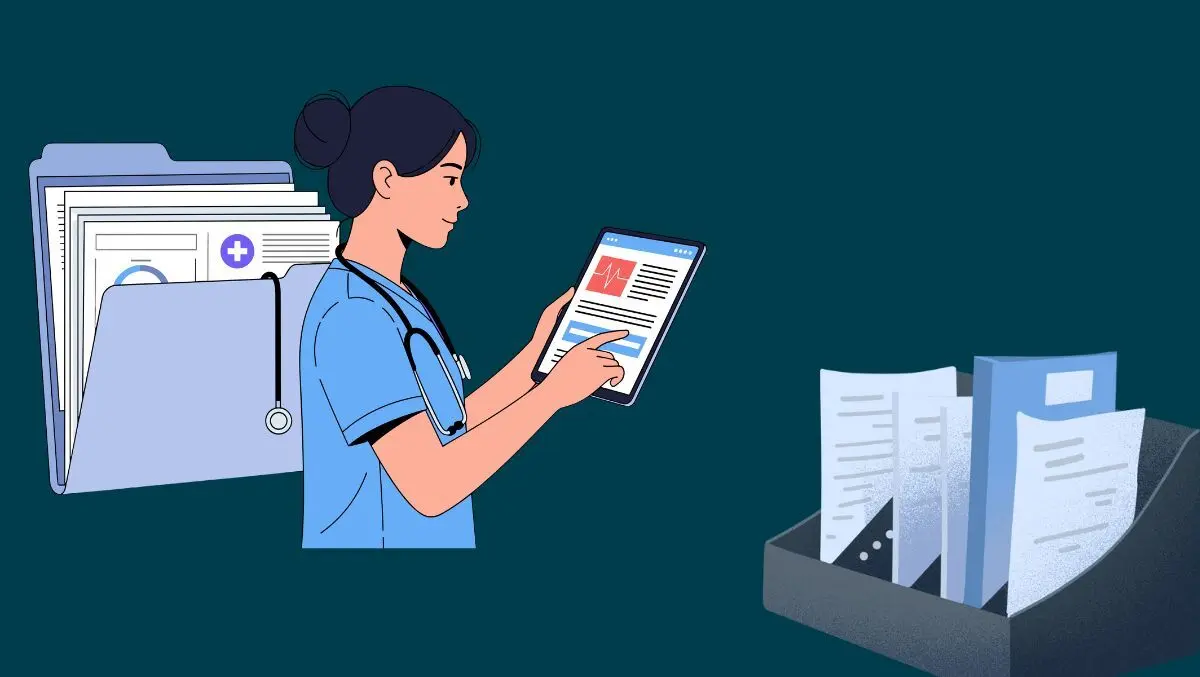
Duplicate patient records are a serious challenge for healthcare facilities because they can affect the accuracy, availability, and consistency of medical information. When the same patient has multiple records in a hospital or clinic, important details such as medical history, allergies, prescriptions, and diagnostic reports may become scattered across different profiles.
This creates more than an administrative problem. Healthcare staff may struggle to access a patient’s complete medical history, verify previous treatments, or locate important test results. These gaps can contribute to incorrect clinical decisions, medication-related risks, and delays in patient care. Understanding why duplicate patient records occur and how they affect patient safety is essential for maintaining reliable healthcare information.
1. What Causes Duplicate Patient Records in Hospitals?
Duplicate patient records often develop during the registration process. When a returning patient visits a healthcare facility, staff may accidentally create a new profile instead of locating the patient’s existing record.
Several factors contribute to this problem, including:
- Spelling mistakes: Differences in patient names can make existing records difficult to identify.
- Incorrect personal information: Errors in phone numbers, dates of birth, or identification details can result in separate profiles.
- Manual registration: Paper-based processes and repetitive data entry increase the possibility of creating duplicate records.
- Different registration practices: Departments may follow inconsistent procedures when entering patient information.
- Disconnected systems: Patient information stored in separate systems may not be easily accessible across departments.
Over time, these issues can result in multiple records belonging to the same individual. Without proper identification and record-matching procedures, healthcare facilities may struggle to maintain accurate patient information.
2. Incomplete Medical Histories Can Affect Treatment Decisions
One of the biggest patient safety concerns associated with duplicate medical records is an incomplete medical history.
When patient information is divided between multiple profiles, healthcare staff may not have access to the complete picture of an individual’s health. For example, a patient’s previous diagnosis might appear in one record while information about earlier treatment is stored in another.
This can create difficulties when reviewing medical conditions, previous procedures, ongoing treatments, and other important clinical details.
An incomplete medical history may also make it harder to identify changes in a patient’s condition or understand how previous treatments have affected their health.
Healthcare decisions depend on reliable information. When important details are scattered across multiple records, staff may spend additional time searching for information or make decisions without having the complete patient history available.
3. Duplicate Records Increase the Risk of Medication Errors
Accurate medication information is essential for safe patient care. Duplicate patient records can make medication management more complicated when prescriptions, allergies, and previous medication reactions are documented in separate profiles.
For example, one patient record may contain information about an allergy, while another profile created during a subsequent visit may not include that detail.
Similarly, medication histories may be incomplete if previous prescriptions are stored in a different record. This can make it harder for healthcare staff to review which medications a patient has previously received.
Potential consequences include:
- Important allergy information being overlooked.
- Incomplete medication histories.
- Difficulty reviewing previous prescriptions.
- Confusion about ongoing treatments.
- Additional time spent verifying medication information.
Duplicate records do not automatically cause medication errors, but fragmented information can increase the risk of important details being missed during clinical reviews.
4. Missing Test Results and Repeated Investigations
Diagnostic information plays an important role in evaluating a patient’s condition. However, duplicate patient profiles can make it difficult to maintain a complete history of laboratory tests, imaging reports, and other investigations.
For instance, a laboratory report may be associated with one patient profile while healthcare staff access a different profile during a follow-up visit. As a result, previously available results may not appear in the record being reviewed.
This can lead to unnecessary delays while staff search for missing reports or verify patient information. In some situations, investigations may need to be repeated because earlier results cannot be located or reliably matched to the patient.
Repeated investigations can increase healthcare costs, consume additional resources, and inconvenience patients. More importantly, delays in accessing relevant diagnostic information can affect the timely evaluation of medical conditions.
Accurate patient identification and consistent record management are therefore important for keeping diagnostic information accessible and correctly associated with the individual.
5. Duplicate Records Create Confusion Across Hospital Departments
Hospitals depend on communication between registration, outpatient departments, laboratories, pharmacies, and other clinical units. Duplicate patient records can make this coordination more difficult.
When different departments access separate patient profiles, they may work with inconsistent information. One department might have updated contact details or medical history, while another continues using an older record.
This can create several operational problems:
- Difficulty retrieving complete patient information.
- Inconsistent medical histories across departments.
- Delays when transferring patients between departments.
- Repeated registration and verification procedures.
- Additional administrative work to identify and reconcile duplicate files.
These problems can become particularly challenging in facilities with multiple departments and high patient volumes.
Maintaining consistent patient information across the healthcare facility helps reduce confusion and allows authorized staff to access relevant records when needed.
6. How Healthcare Facilities Can Prevent Duplicate Patient Records
Preventing duplicate patient records requires consistent registration procedures, reliable patient identification, and regular data-quality checks.
Healthcare facilities can introduce several measures to reduce the likelihood of duplication.
Verify patient identity during registration: Staff should check available identification details before creating a new patient profile. This helps determine whether the individual already has an existing record.
Assign unique patient identification numbers: Every patient should have a unique identifier that helps distinguish their records from those of other individuals, including patients with similar names.
Standardize patient information: Hospitals should follow consistent procedures for entering names, dates of birth, contact information, and other demographic details.
Review potential duplicates regularly: Healthcare administrators should periodically examine records to identify profiles that may belong to the same patient.
Establish controlled record-merging procedures: When duplicate records are confirmed, authorized personnel should reconcile the information carefully, preserving relevant medical history, prescriptions, diagnostic reports, and audit trails. Records should not be merged based on name similarity alone.
Train registration staff: Employees responsible for patient registration should understand identification procedures and the importance of checking existing records before creating new profiles.
Another important approach is implementing a Master Patient Index (MPI). An MPI maintains a centralized method of identifying patients across different departments and systems. It helps healthcare facilities match patient information and reduce duplicate registrations.
7. The Role of Digital Patient Management Systems
Managing patient information through paper files and disconnected administrative systems can make duplicate records more difficult to identify and prevent. Digital patient management systems provide a more organized approach to maintaining patient information.
A centralized system can help healthcare facilities maintain consistent patient profiles, assign unique identification numbers, and make existing records easier to locate during registration.
Depending on its features and configuration, Patient Management Software can also support:
- Centralized patient registration and demographic information.
- Faster retrieval of existing patient records.
- Consistent access to patient information across departments.
- Better organization of medical histories and diagnostic reports.
- Identification and review of potential duplicate profiles.
- Improved coordination between administrative and clinical workflows.
However, digital systems alone cannot guarantee that duplicate records will never occur. Healthcare facilities still need appropriate identity verification procedures, staff training, data-quality monitoring, and controlled record reconciliation.
When technology is combined with consistent administrative practices, hospitals can improve patient information accuracy and reduce the operational problems associated with duplicate records.
Conclusion
Duplicate patient records can affect patient safety by creating incomplete medical histories, fragmented medication information, missing diagnostic reports, and confusion between healthcare departments. Preventing these problems requires accurate patient identification, standardized registration procedures, unique patient identifiers, and regular record reviews. Digital systems and Master Patient Index solutions can further support consistent patient information management. With effective Clinic Management Software in Pakistan, Instacare.com.pk aims to help healthcare facilities organize patient records, improve information accessibility, and streamline administrative workflows.