
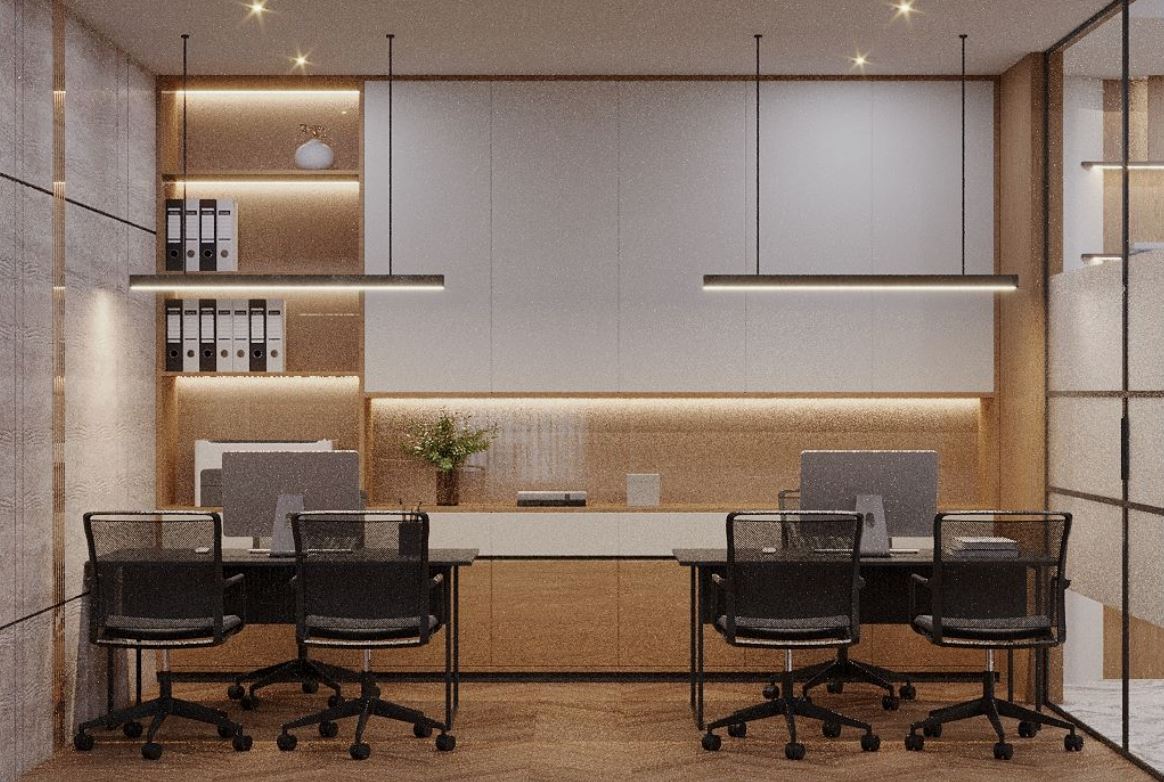
A workplace should be designed around the people who use it every day. Comfortable seating, suitable desks, useful storage, and well-planned meeting areas can make routine tasks easier and create a more pleasant working environment. Office Furniture brings these elements together and helps determine how efficiently a workplace functions. Whether a company operates from a compact office or a large corporate space, thoughtful furniture choices can improve organization, support employee comfort, and create a professional setting for clients and visitors.
Understand the Purpose of Your Workspace
Every business uses its office differently. Some employees spend most of their time completing individual tasks, while others frequently attend meetings or work as part of a team. Understanding these activities should be the first step when planning the workplace.
A well-designed office can include separate areas for focused work, teamwork, meetings, reception, and storage. This type of arrangement gives each activity a suitable environment. Employees who need concentration can work in quieter areas, while teams can use shared spaces when they need to communicate.
The available floor area should also influence the layout. Businesses should avoid filling every corner with furniture. Leaving sufficient room between workstations can improve movement and make the office feel less crowded.
Choose Work Desks With Purpose
Desks need to provide enough space for the equipment employees use throughout the day. A workstation may need to accommodate monitors, keyboards, laptops, documents, stationery, and other office essentials.
The correct desk size depends on the employee’s responsibilities. A finance employee working with paperwork may require more surface area, while a laptop-based role may need less. Managers may benefit from larger executive desks, whereas shared teams can use modular workstation systems.
Additional features can increase convenience. Drawers can keep personal belongings organized, while cable openings can prevent wires from spreading across the desk. Integrated storage can also reduce the need for separate cabinets in smaller workspaces.
Prioritize Comfortable Office Chairs
A chair is used repeatedly throughout the working day, which makes comfort an important consideration. Employees should have seating that allows them to adjust their position and find a suitable working posture.
Features such as adjustable height, supportive backrests, appropriate seat depth, and comfortable armrests can make a chair more suitable for extended desk work. Smooth movement is also useful when employees need to access different parts of their workstation.
Different areas may require different types of seating. Task chairs can be used for everyday workstations, executive chairs can suit private offices, and visitor chairs can be placed in reception and meeting rooms.
Keep Files and Supplies Under Control
Office clutter can make even a well-designed workplace feel untidy. Employees need convenient places to store paperwork, stationery, equipment, and other materials.
Filing cabinets can help organize documents, while cupboards can store larger supplies. Shelving can provide easy access to frequently used resources, and mobile pedestals can keep essential items close to individual workstations.
Storage should be planned according to actual requirements. Too little storage can result in clutter, while too many cabinets can consume useful working space. Businesses should identify what needs to be stored and where those items should be located before purchasing storage units.
Use Space Wisely in Compact Offices
Small offices require careful furniture planning. Oversized desks and large storage units can quickly reduce available floor space. Compact workstations and multifunctional furniture can help maintain functionality without making the room difficult to navigate.
Wall-mounted shelves can provide storage while keeping the floor clear. Tall cabinets can also make better use of vertical space. Mobile furniture provides additional flexibility because tables and chairs can be moved when the room needs to support another activity.
A compact office should not feel crowded. Keeping walkways open and avoiding unnecessary furniture can make the workplace feel more comfortable and accessible.
Create Useful Teamwork Areas
Employees often need to communicate with colleagues outside their regular workstations. A dedicated teamwork area can provide a convenient place for brainstorming, project discussions, quick meetings, and group planning.
The size of the collaboration area should match the needs of the business. Small companies may only need a compact table with several chairs, while larger organizations may require conference rooms with larger tables and additional equipment.
Flexible furniture can make these areas more useful. Movable tables can be arranged for different group sizes, while lightweight chairs can be repositioned when required.
Select Finishes That Suit Daily Use
Furniture should look attractive, but it should also withstand regular workplace activity. The material and finish can influence durability, cleaning requirements, and visual appeal.
Workspaces with frequent daily use may benefit from surfaces that are easy to maintain. Wood-style finishes can create a welcoming atmosphere, while metal details can provide a clean contemporary appearance. Glass can also be incorporated where businesses want a lighter visual effect.
Before choosing a particular finish, companies should think about how often the furniture will be used and how much maintenance it will require. Practical materials can help the office retain its appearance for longer.
Create a Consistent Design Theme
An office looks more polished when its furniture works together visually. Desks, chairs, cabinets, tables, and reception furniture should complement one another in terms of color, finish, and overall style.
Businesses can choose a simple design theme and apply it throughout the workplace. Neutral furniture can create a sophisticated foundation, while carefully selected colors can introduce personality.
A coordinated environment can also reinforce company identity. Furniture does not need to display branding everywhere, but its style can reflect the character of the business and create a recognizable workplace atmosphere.
Think About Employee Preferences
Employees are directly affected by furniture choices, so their needs should be considered during office planning. Different roles can require different workstation arrangements, storage capacity, or levels of privacy.
Some employees may need larger desks because they handle physical documents, while others may work primarily with digital systems. Certain teams may benefit from collaborative spaces, whereas others may require quieter areas.
Considering these differences can make furniture planning more effective. A workplace designed around real employee activities is more likely to remain comfortable and functional.
Prepare for Workplace Expansion
A business may not use its office in exactly the same way several years from now. Staff numbers can increase, departments can change, and working practices can develop.
Furniture that supports flexibility can make future changes easier. Modular workstations can be rearranged, mobile storage can be relocated, and adaptable tables can serve multiple functions.
Businesses should also avoid creating layouts that have no room for adjustment. Leaving some flexibility in the floor plan can make future expansion or reorganization less disruptive.
Improve Reception Areas
The reception area can influence how visitors perceive a business. A clean, organized, and comfortable entrance can create a positive first impression.
A reception desk should be appropriately sized for the available space and provide enough room for reception staff. Visitor seating should offer comfort while leaving sufficient room for movement.
The design of the reception area should connect with the rest of the office. Matching finishes or complementary colors can create a consistent visual experience from the entrance through to meeting rooms and employee work areas.
Furnish Meeting Rooms for Better Communication
Meeting rooms should support productive discussions. A suitable table needs to provide enough space for participants, documents, laptops, and presentation materials.
Chairs should remain comfortable during longer meetings, while storage can help keep equipment and documents organized. The furniture arrangement should allow participants to communicate easily without feeling cramped.
Flexible meeting rooms can serve several purposes. With adaptable furniture, the same room can accommodate team meetings, training sessions, presentations, or project discussions.
Consider Durability Before Price
Budget is naturally important when furnishing a workplace, but price should not be the only deciding factor. Furniture that wears out quickly may cost more over time because it needs to be repaired or replaced.
Businesses should consider construction quality, materials, expected usage, maintenance, and warranty conditions where applicable. Durable furniture can provide better long-term value and help maintain a consistent office appearance.
Purchasing decisions should focus on what the workplace genuinely needs. A balanced budget can prioritize essential furniture while avoiding unnecessary features.
Make the Office Easy to Maintain
A good office should remain practical after the initial installation. Furniture should be arranged so that employees and cleaning staff can easily access important areas.
Surfaces that are simple to clean can be useful in shared environments. Storage should prevent unnecessary items from accumulating on desks and floors. Regularly reviewing furniture placement can also help identify areas where the layout is no longer working efficiently.
A clean and organized workplace can support a more professional atmosphere and make everyday activities easier.
Combine Comfort With Professional Style
Modern workplaces do not need to choose between appearance and practicality. Businesses can select furniture that provides useful features while complementing the interior design.
A comfortable chair can still look professional. A functional desk can have an attractive finish. Storage units can keep supplies organized while contributing to the overall visual theme.
When these elements are selected together, the office can feel cohesive rather than assembled from unrelated pieces.
Build a Workplace Ready for Everyday Needs
The purpose of Office Furniture is to create an environment where employees can complete their responsibilities comfortably and efficiently. Desks should support individual tasks, chairs should provide suitable comfort, storage should control clutter, and shared areas should encourage communication.
The best results come from considering the entire workplace rather than choosing individual items separately. Furniture, layout, lighting, technology, and available space should work together to create a practical environment.
Regular reviews can also help businesses maintain an effective workplace. As teams and responsibilities change, small furniture adjustments may be enough to keep the office suitable for current requirements.
Conclusion
Selecting suitable Office Furniture can improve the comfort, organization, and professional appearance of a workplace. Businesses should consider their floor space, employee requirements, daily activities, storage needs, and future growth before making purchasing decisions. A balanced combination of functional workstations, comfortable chairs, efficient storage, and flexible meeting areas can create a workplace that serves both employees and visitors effectively. For companies looking for additional creative direction, Queens arts and trends can inspire ideas for developing an office environment with a distinctive and professional character.