
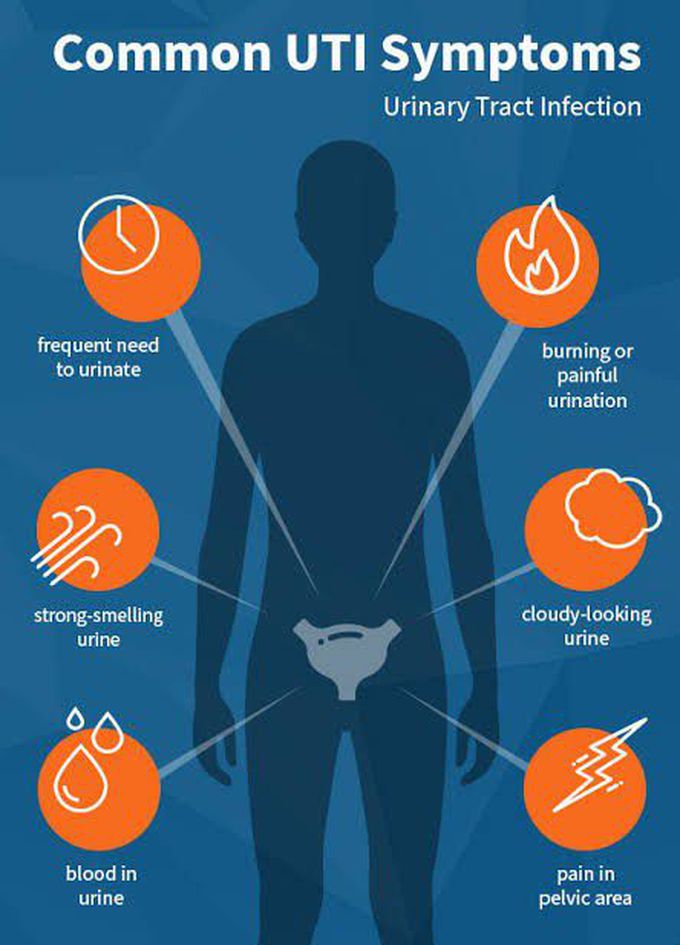
That burning sensation isn’t just “one of those things” — it could be your body flagging an emergency. Most people brush off early symptoms of a urinary bladder infection, hoping it clears up with more water and cranberry juice. Sometimes it does. But sometimes it’s the first sign of a problem that spreads fast and gets dangerous within days.
Knowing the difference between “wait it out” and “get to a doctor now” can save you a hospital stay — or worse.
What Exactly Is a Urinary Bladder Infection?
A urinary bladder infection happens when bacteria — usually E. coli — enter the urethra and travel up into the bladder. It’s the most common form of a broader condition called a urinary tract infection (UTI), which can affect the urethra, bladder, ureters, or kidneys.
Women are far more prone to this than men. Their shorter urethra gives bacteria a quicker path to the bladder, which is exactly why urinary tract infection women treatment searches spike so consistently online. If you’re a woman who’s had one UTI, statistics say you’re likely to get another.
Most bladder infections are treatable with a short course of antibiotics. The problem starts when people ignore the warning signs for too long.
Why You Shouldn’t “Wait It Out”
Untreated bladder infections don’t just sit still — they climb. Bacteria can move from the bladder to the kidneys, and a kidney infection is a completely different level of serious.
- Kidney infections can cause permanent kidney damage.
- Severe infections can trigger sepsis, a life-threatening, body-wide inflammatory response.
- Recurrent, untreated infections are linked to chronic kidney issues over time.
This is why catching the red flags early matters more than most people realize.
9 Warning Signs You Need Immediate Medical Care
Here’s what separates a manageable infection from a medical emergency.
- High Fever With Chills
A mild infection usually stays local — burning, urgency, discomfort. Once your body temperature climbs above 101°F (38.3°C) with chills or shivering, that’s a sign the infection may have reached your kidneys or bloodstream.
Don’t wait this one out. Fever with chills is your body signaling systemic involvement, not just a local bladder issue.
- Pain in Your Back or Side (Flank Pain)
Bladder infection pain is usually low and central, right above the pubic bone. If the pain shifts to your back, just below your ribs, on one or both sides, that’s flank pain.
Flank pain is a classic marker of a kidney infection (pyelonephritis). This is one of the clearest signals that the infection has moved beyond the bladder.
- Nausea and Vomiting
Feeling sick to your stomach along with urinary symptoms isn’t a coincidence. When infection spreads to the kidneys, it disrupts your whole system — not just your urinary tract.
- Persistent nausea
- Vomiting that won’t settle
- Loss of appetite alongside urinary pain
Any of these combined with UTI symptoms is a same-day-care situation.
- Blood in Your Urine (Visible or Persistent)
A little irritation-related spotting can happen with minor infections. But urine that looks pink, red, or cola-colored or blood that keeps showing up — points to a more aggressive infection or bladder inflammation that needs immediate evaluation.
Never assume blood in urine is “normal” for a UTI. It’s always worth a same-day check.
- Confusion or Sudden Mental Fog (Especially in Older Adults)
This one surprises people. In older adults, a severe urinary bladder infection often doesn’t present with classic pain — it shows up as sudden confusion, disorientation, or unusual drowsiness.
Family members and caregivers should treat sudden mental status changes in an elderly person as a possible infection emergency, not just “a bad day.”
- Inability to Urinate Despite the Urge
Feeling like you desperately need to urinate but producing little to nothing is a red flag. This can indicate significant swelling, obstruction, or a bladder that’s struggling to function properly.
Urinary retention paired with infection symptoms needs emergency evaluation — it won’t resolve on its own.
- Rapid Heart Rate or Rapid Breathing
If your pulse feels unusually fast, or you’re breathing quicker than normal without exertion, alongside UTI symptoms, this can indicate your body is fighting a systemic infection.
- Heart rate consistently above 100 bpm at rest
- Shortness of breath with no clear cause
- A general feeling that “something is very wrong”
These are early sepsis indicators. Don’t dismiss them as anxiety.
- Severe, Worsening Abdominal or Pelvic Pain
Mild discomfort is typical with bladder infections. Severe, escalating pain that disrupts daily function especially if it’s getting worse hour by hour rather than easing with hydration signals something more serious happening internally.
- Symptoms Lasting More Than 2-3 Days Without Improvement
Antibiotics for a straightforward bladder infection typically bring relief within 24-48 hours. If you’re 3 days in with no improvement or things are getting worse, the current treatment likely isn’t working, or the infection has progressed.
This is especially critical for urinary tract infection women treatment plans, since delayed or ineffective treatment raises the risk of recurrence and kidney involvement.
When to Go to the ER vs. Book a Same-Day Appointment
| Symptom Severity
|
What To Do
|
| Mild burning, urgency, no fever | Book a same-day or next-day appointment |
| Fever, flank pain, vomiting | Seek urgent care same day |
| Confusion, rapid heart rate, inability to urinate | Go to the ER immediately |
| Pregnant with any UTI symptoms | Contact your doctor same day — pregnancy raises complication risk |
Treatment Really Does Work Fast If You Act Early
Here’s the encouraging part: bladder infections are highly treatable. A proper course of antibiotics, prescribed after a urine culture confirms the bacteria involved, usually resolves symptoms within a couple of days.
Effective urinary tract infection women treatment typically includes:
- A short-course antibiotic tailored to the specific bacteria
- Increased fluid intake to help flush the urinary tract
- Pain relief for burning and discomfort during recovery
- Follow-up testing for women with recurrent infections
The key is not waiting until symptoms escalate to the point where oral antibiotics alone won’t be enough.
Don’t Gamble With a “Simple” Infection
A urinary bladder infection can be a minor inconvenience or a fast-moving emergency — the only way to know which one you’re dealing with is to pay attention to your symptoms and act on the warning signs above.
If you’re experiencing fever, flank pain, confusion, or any combination of the red flags listed here, don’t wait for it to get worse. Book an appointment with a urologist or your primary care provider today. Early treatment is the single biggest factor in avoiding complications and getting back to normal fast.