Laser Hair Removal for Facial Hair: Does It Work?
Facial hair is a normal part of life, but for some people, unwanted hair on the upper lip, chin, jawline, cheeks, or sideburns can become frustrating to manage. Shaving, waxing, threading, and depilatory creams may provide temporary results, but they often require frequent maintenance. This is one reason Laser Hair Removal has become a popular option for people seeking longer-lasting reduction in facial hair.
But does laser treatment really work for facial hair? In many cases, yes. Laser hair removal can significantly reduce unwanted facial hair when it is performed correctly and when the hair and skin are suitable for treatment. However, it is important to understand that laser treatment is generally considered a method of long-term hair reduction rather than a guaranteed permanent removal solution.
The results can vary depending on hair color, skin tone, hair thickness, hormones, treatment area, and the type of laser technology used. Understanding how the procedure works, what results to expect, and what precautions matter can help a person make a more informed decision.
How Does Laser Hair Removal Work on Facial Hair?
Laser hair removal uses concentrated light energy to target the pigment in the hair. The light is absorbed by the hair and converted into heat, which damages the hair follicle and reduces its ability to produce new hair.
Because hair grows in different stages, not every hair follicle is equally responsive during a single session. Laser treatment is most effective when hairs are in the active growth phase. For this reason, multiple sessions are normally recommended rather than relying on one treatment.
Facial hair can respond well to laser treatment because darker, thicker hairs generally absorb more laser energy than very fine or light-colored hairs. Over a series of treatments, many people notice that the hair becomes less dense, finer, and slower to grow.
It is worth noting that laser hair removal is different from electrolysis. Laser treatment uses light energy to target multiple follicles at once, while electrolysis uses an electrical current to treat individual follicles. The most appropriate option depends on the person’s hair characteristics, skin type, treatment goals, and professional assessment.
Does Laser Hair Removal Permanently Remove Facial Hair?
Laser hair removal can provide long-lasting hair reduction, but it should not be presented as a guaranteed permanent solution for every person.
After a suitable course of treatments, many people experience a substantial decrease in facial hair growth. Any remaining hair may also become finer and lighter. Some individuals may eventually need maintenance sessions because new growth can occur over time.
Hormonal changes can also influence facial hair. Conditions associated with hormonal imbalance may cause new hair growth even after successful laser treatment. In such situations, addressing the underlying hormonal issue may be an important part of managing unwanted facial hair.
The quality of the result also depends on choosing appropriate laser settings for the individual’s skin and hair characteristics. Using an unsuitable setting can reduce effectiveness or increase the risk of skin irritation and pigment changes. Therefore, professional assessment before treatment is important.
Who Can Benefit From Laser Hair Removal for Facial Hair?
Laser hair removal can be suitable for a wide range of people, but the results are not identical for everyone.
People with dark or coarse facial hair often respond particularly well because the laser can more easily target the pigment within the hair. Modern laser technologies can also be used for many different skin tones when the appropriate equipment and settings are selected.
Very light blonde, white, gray, or red hair may be more difficult to treat with laser because these hairs contain less of the pigment that the laser relies on to absorb energy. In such cases, another hair-removal method may be considered.
Skin tone is also an important consideration. Darker skin requires careful selection of laser technology and settings to reduce the possibility of burns or unwanted pigmentation. A qualified treatment professional should evaluate the skin and hair before beginning a course of treatment.
A consultation can also help determine whether facial hair growth may be influenced by hormonal factors. If the growth is sudden, unusually heavy, or accompanied by other symptoms, seeking appropriate medical advice can be useful before focusing solely on hair removal.
What Happens During a Facial Laser Hair Removal Session?
Before treatment begins, the skin and hair are usually assessed to determine an appropriate approach. The treatment area may be cleaned, and protective measures are used to help protect the skin and eyes.
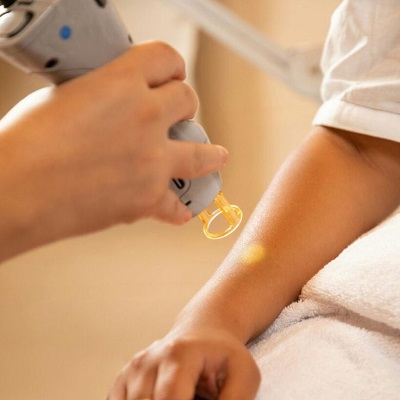
During the procedure, the laser device is applied to the targeted area. Some people describe the sensation as a series of quick snaps, tiny pinches, or the feeling of a warm rubber band against the skin. Cooling features may be incorporated into certain devices to make the experience more comfortable.
A facial treatment session is usually relatively quick because areas such as the upper lip or chin are small. Larger areas, such as the cheeks or jawline, may take longer.
After treatment, mild redness, warmth, or temporary swelling around the hair follicles can occur. These effects commonly settle within a short period, although the exact recovery experience can vary.
Following aftercare instructions is important. The treated skin may be more sensitive temporarily, so avoiding unnecessary irritation and protecting the area from sun exposure can help support recovery.
How Many Laser Hair Removal Sessions Are Needed?
There is no single number of sessions that works for everyone. Facial hair growth patterns vary considerably, so the required treatment schedule depends on factors such as hair thickness, growth cycle, skin type, hormonal influences, and the treatment area.
Multiple sessions are generally needed because only a portion of the hair is in the most responsive growth phase at any given time. Treatments are therefore spaced apart to target additional hairs as they enter the appropriate phase.
Some people begin noticing reduced growth after the first few treatments, while more noticeable improvement generally develops over a longer treatment course. Hair may gradually become finer, less dense, and slower to return.
Maintenance treatments may also be recommended after the initial course. The frequency can differ from person to person depending on how much regrowth occurs.
It is important to avoid judging the effectiveness of laser hair removal after only one appointment. A proper treatment course provides a more meaningful indication of how well the hair is responding.
Benefits and Possible Risks of Facial Laser Hair Removal
One of the main benefits of laser hair removal is convenience. Instead of shaving or waxing frequently, a person may experience a significant reduction in unwanted hair growth over time. This can also reduce the need for repeated waxing or threading appointments.
Another potential benefit is that the treatment can help reduce problems associated with frequent shaving, such as razor bumps and irritation. However, laser treatment itself can cause temporary redness or sensitivity.
Possible side effects can include:
- Temporary redness or swelling
- Mild discomfort or warmth
- Temporary changes in skin pigmentation
- Skin irritation
- Rarely, blistering or burns when treatment is performed improperly
- Changes in hair growth patterns in uncommon cases
Facial skin requires particular care because it is often more sensitive and exposed to sunlight. Choosing an experienced and appropriately trained provider can help reduce avoidable risks.
Sun protection is especially important around treatment periods. Excessive sun exposure can increase the risk of unwanted pigmentation and may affect how safely treatment can be performed.
How to Prepare for Facial Laser Hair Removal
Good preparation can make treatment safer and more comfortable. A person considering laser hair removal should follow the specific instructions provided during the consultation.
In general, avoiding tanning and unnecessary sun exposure before treatment is important. The treatment area may also need to be kept free from products or procedures that could increase skin sensitivity.
Waxing, plucking, or threading immediately before laser treatment may not be recommended because these methods remove the hair from the follicle, which can make it harder for the laser to target the intended structure. Shaving is commonly preferred because it leaves the follicle in place while reducing hair above the skin.
A person should also disclose relevant medications, skincare products, previous skin reactions, and any history of pigmentation problems during the consultation. This information can help determine whether adjustments or additional precautions are needed.
After treatment, gentle skincare and consistent sun protection are important. Picking, scratching, or aggressively exfoliating the treated area may increase irritation.
Frequently Asked Questions About Laser Hair Removal for Facial Hair
1. Is Laser Hair Removal Safe for the Face?
Laser hair removal can be safely performed on facial areas when appropriate equipment, settings, and precautions are used. Temporary redness, swelling, or sensitivity can occur. Because facial skin can be delicate, professional assessment and proper aftercare are important.
2. Does Laser Hair Removal Work on All Facial Hair?
Laser treatment generally works best on darker, coarser hair because the laser targets pigment in the hair. Very light, gray, white, or some red hairs may respond poorly. Results also depend on skin tone, hair growth patterns, and the technology used.
3. How Long Do Laser Hair Removal Results Last?
Results can last for a long time after an appropriate treatment course, with many people experiencing significant hair reduction. However, laser hair removal does not guarantee that every treated follicle will stop producing hair permanently. Maintenance treatments may be needed.
4. Can Facial Hair Grow Back After Laser Treatment?
Yes. Some hair can regrow after treatment, particularly when hormonal changes influence hair growth. Regrowth is often finer or less dense, although individual results vary.
5. Is Facial Laser Hair Removal Painful?
Most people tolerate facial laser hair removal well. The sensation can feel like brief snapping, warmth, or mild pinching. Cooling features and appropriate treatment settings may help improve comfort.
6. Can Laser Hair Removal Cause More Facial Hair?
A rare reaction known as paradoxical hypertrichosis has been reported after laser treatment, where hair growth becomes more noticeable in or around a treated area. The risk may vary according to factors such as treatment area, hair characteristics, and laser settings. A careful assessment can help determine whether laser treatment is appropriate.
Final Thoughts
Laser hair removal can be an effective option for reducing unwanted facial hair and decreasing the need for frequent shaving, waxing, or threading. It works by directing laser energy toward hair follicles, with the goal of reducing their ability to produce hair over time.
The strongest results are generally associated with appropriate candidates, a suitable treatment plan, realistic expectations, and consistent aftercare. Hair color, skin tone, hormonal factors, and treatment settings can all influence the outcome.
Anyone considering facial laser hair removal should focus on safety as well as effectiveness. A proper consultation can help determine whether the treatment is suitable, what results may reasonably be expected, and how many sessions might be appropriate.
Read More About Laser Hair Removal: https://www.friendbookmark.com/blogpost/79935/is-laser-hair-removal-better-than-electrolysis