
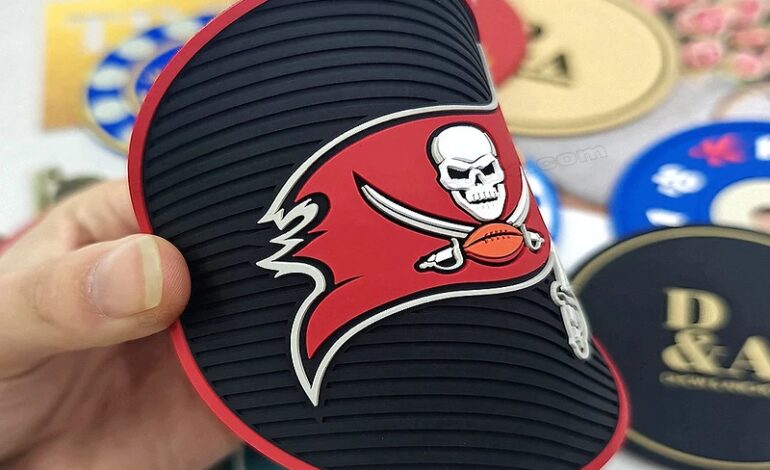
Have you ever seen a cold drink’s stubborn ring on an expensive table or a branded cafe surface? This can suddenly feel less polished, and you may think about the coaster at this point. Whether it is your home, restaurant, hotel, event, or promotional campaign, the material of a little disc can make a surprisingly big difference.
Traditional options include cork, ceramic, wood, and paperboard, which have earned their place through familiarity. PVC coasters can help you to bring something different, like flexible construction, water resistance, strong visual branding, and unusual shapes. You may get confused about which one can actually make sense. The answer depends less on fashion and more on where, how, and how often the coaster will be used. This blog will walk you through the differences between custom-made PVC and traditional coasters.
Material, Durability, And Everyday Performance
There is no universal best coaster. Each material can solve a slightly different problem, particularly when moisture, cleaning, heat, appearance, and repeated handling enter the picture.
· Moisture Handling
Cork is still a popular choice because its porous structure can absorb condensation instead of simply containing it. Recent material guides are continuously rating cork highly for everyday moisture control, and wood generally offers less absorption unless it includes an absorbent insert.
PVC has the opposite approach in moisture handling. It is essentially a waterproof barrier, so water can stay on the surface instead of soaking in. This will make it useful in busy cafes, outdoor events, bars, and humid environments where a coaster may be wiped clean repeatedly.
· Durability In Busy Settings
Choosing a traditional paper coaster is inexpensive and practical, but they are designed for short-term use. Ceramic and stone can last much longer, although if they get dropped, they can lead to chips or breakage.
PVC is comfortably the best between those extremes. The flexibility that PVC provides can help it to tolerate handling, bending, and accidental knocks without the cracking which is associated with rigid materials. This resilience is crucial for those businesses that can expect coasters to survive hundreds of customer interactions.
· Heat And Cold Protection
Condensation happens with cold drinks and hot mugs can provide heat to the table. Cork works best as an insulator due to the substantial air in its cellular structure, but stone and ceramic can handle heat effectively when they are properly designed.
3D PVC patches can also provide a useful protective layer, but their exact heat performance depends on their formulation and thickness. A purpose-built trivet is still a safer choice than an ordinary promotional coaster for very hot cookware.
· Cleaning And Maintenance
If you talk about cleaning and maintenance, PVC is particularly convenient in this area. A smooth surface of the PVC can allow you to wipe it quickly after spills, which is perfect for restaurants and hospitality environments where it is important to maintain hygiene and turnaround time.
You may need traditional absorbent materials for more attention to maintain. You should not soak cork and felt can retain moisture and collect dirt. The wood needs to be dried carefully to reduce the risk of staining and warping.
· Appearance And Tactile Appeal
Traditional coasters often win for appearing as a natural character. Cork may have a warm texture, wood can provide grain variation, and ceramic can help you create a refined tabletop presentation.
If you choose PVC, it offers a different kind of appeal. You can produce it with raised details, unusual silhouettes, bold colours and dimensional branding. This freedom can outweigh the more natural feel of cork or wood for businesses that want something playful or strongly tied to a visual identity.
· Longevity And Replacement Value
A coaster that lasts longer does not mean that it is automatically the most sustainable choice, but replacement frequency is also crucial. A durable reusable product can reduce the number of items that are purchased over its useful life.
Research which was published in 2026 also highlights an important caveat: PVC is recyclable, but real-world recycling is still constrained by collection systems, additives, product composition, and processing infrastructure.
Branding, Design, And Cost Considerations
Once coasters have become a part of a brand experience, the comparison changes. You are no longer just buying surface protection, but you are choosing a small piece of marketing material that customers may handle repeatedly.
· Branding Flexibility
You can certainly use traditional materials for branding. Printing and engraving are best for cork, laser engraving is beautifully suited to wood, and detailed decorative finishes are perfect for ceramic.
If dimensional branding is the priority of the brand, PVC is perfect to use. 3D PVC can demonstrate the same broader manufacturing principle that you can use soft PVC to mould into raised logos, borders, lettering, and tactile detail instead of relying solely on a flat printed surface.
· Shape And Customization
Round and square coasters are still the practical choice because they can stack easily and suit most glassware. Yet restaurants are launching themed menus, or companies are preparing event merchandise, may want something more unique.
PVC is especially useful for the factor of shape and customization because moulds can follow logos, symbols, mascots, product silhouettes, or other irregular outlines. The shape can itself become part of the branding.
· Promotional Value
If you are using a disposable paper coaster, it will allow you to deliver a logo cheaply for a single event. When the priority is volume and short-term visibility, this will make sense.
You can use custom-made PVC coasters as they can function more like merchandise for longer campaigns. Choosing a memorable design can help it stay on the desk of a customer or home bar long after the event has ended, which may extend the useful life of the promotional message.
· Cost Beyond The Unit Price
The cheapest coaster is not about having the cheapest solution. You should consider the factors of replacement rates, storage, shipping weight, cleaning time, printing requirements and expected lifespan.
For example, a low-cost paper option can work perfectly for a one-night event, but a reusable PVC option can make more financial sense for a busy cafe that can repeatedly replace disposable stock.
· Sustainability Questions
Traditional coasters do not automatically mean that they are sustainable. Cork and responsibly sourced wood have strong environmental advantages, that is particularly because cork can be harvested without cutting down the tree.
PVC needs a more careful assessment. A life-cycle study in 2026 found that using improved recycling technologies can help you to recover high-quality PVC, but the environmental outcome often varies and depends heavily on effective waste management and processing systems.
· Best Choice By Application
The use of wood or cork might complement the surroundings in a better way for a rustic restaurant. A premium hotel can choose ceramic or engraved wood. If you are arranging a temporary promotional event, it may prioritize paperboard because the cost and disposal are straightforward.
PVC has become particularly attractive when waterproofing, repeated cleaning, unusual shapes, dimensional branding, or long-term promotional use are central requirements.
Common Queries People Ask About Custom Coasters
1. Are PVC coasters waterproof?
Yes, PVC coasters are waterproof, so liquid can generally stay on the surface rather than getting absorbed into it. They are convenient for restaurants, bars, outdoor events, and other settings where coasters often need to be wiped. The exact performance still varies according to the construction, seams, printing, and any additional layers that are used by the manufacturer.
2. Which coaster choice is easy to clean?
You should choose a smooth and non-absorbent material that is generally easy to wipe down. PVC has an advantage in this respect, as routine spills do not soak into the material. If you are choosing materials like cork, felt, and unfinished wood, they need more careful handling as moisture can penetrate their surfaces and leave stains if they are not promptly cleaned.
3. Is PVC a better environmental choice than disposable paper?
No, PVC can help you with a long service life, which will help you to reduce replacement frequency, but end-of-life management is difficult with PVC where suitable recycling infrastructure is unavailable. It is best to prefer paper for short events when responsible disposal is straightforward. You should prefer the best choice according to the use frequency, lifespan, sourcing and local waste systems.
Final Verdict
The practical winner among both of these coasters depends on the job. Traditional coasters are still an excellent choice when natural texture, elegance, absorption or low upfront cost are important. PVC can help you stand out when your priorities are durability, waterproofing, easy cleaning, bold branding and custom shapes. None of these materials deserves to be called universally superior. The smarter approach is to choose the coaster align to its environment, design requirements, expected lifespan, and disposal route.



1 Comment
[…] circular approach focuses on keeping materials in use rather than following a simple extract, produce, and discard […]