
Breast Lift Surgery in Oman: How Surgeons Evaluate Nipple Height
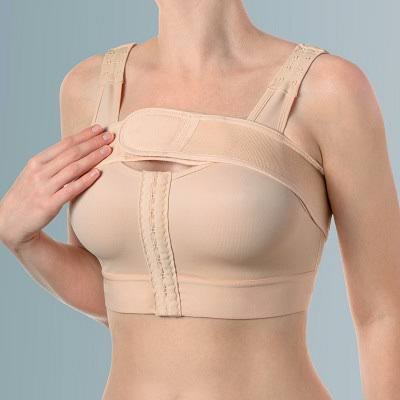
Breast lift surgery, medically known as mastopexy, is designed to improve breast position, shape, and overall contour when the breasts have become droopy or lost their youthful position. One of the most important details surgeons consider during this procedure is nipple height. The position of the nipple and areola can have a significant effect on breast proportions and the final appearance after surgery.
For individuals researching Breast Lift Surgery in Oman, understanding how nipple height is assessed can make the consultation process easier and help establish realistic expectations. Nipple position is not evaluated by using a single measurement alone. Surgeons typically consider the relationship between the nipple, breast crease, breast mound, chest wall, and overall body proportions.
A breast lift is highly individualized because every person’s breast shape, skin quality, tissue volume, and anatomy are different. A nipple position that looks appropriate on one body may appear too high or too low on another. Therefore, surgical planning focuses on creating balance rather than simply reaching a predetermined measurement.
Why Nipple Height Matters in Breast Lift Surgery
The nipple and areola are central visual features of the breast. When breast tissue loses support, the nipple may gradually point downward or move lower on the breast. This can happen because of aging, pregnancy, breastfeeding, significant weight changes, genetics, or natural stretching of the skin.
During a breast lift, the surgeon generally aims to reposition the nipple and areola in relation to the newly shaped breast mound. The objective is not simply to move the nipple upward. Instead, the nipple should ideally be positioned so that the breast looks proportionate and natural.
Nipple height can influence several aspects of the result, including:
- The overall appearance of breast elevation
- Breast symmetry
- The relationship between the nipple and the breast crease
- The apparent shape of the upper and lower breast
- The visual balance between the breasts
- The direction in which the nipple points
If the nipple is positioned too low after surgery, the breast may continue to appear droopy. If it is positioned excessively high, the breast can look unnatural, particularly if the surrounding breast tissue remains lower.
This is why nipple positioning is considered together with the entire breast rather than as an isolated measurement.
How Surgeons Assess Nipple Position Before Surgery
Before Breast Lift Surgery in Oman, a qualified plastic surgeon generally performs a physical examination and evaluates the breasts from several angles. The patient may stand in a natural position while the surgeon examines breast shape, skin laxity, tissue volume, nipple location, and breast symmetry.
One of the important reference points is the fold beneath the breast, known as the inframammary fold. The relationship between the nipple and this natural crease provides useful information when determining the degree of breast sagging.
Surgeons may also assess the distance from anatomical landmarks on the chest to the nipple. These measurements can help with planning, but they are not interpreted in isolation.
Other factors considered during the assessment can include:
- Breast width and height
- Existing breast asymmetry
- Nipple and areola size
- Skin elasticity
- Amount of excess skin
- Breast tissue distribution
- Chest shape
- Previous breast surgery
- Desired degree of lift
The surgeon may take standardized photographs as part of medical documentation and surgical planning. These images can help compare the preoperative breast position with the postoperative result.
The assessment is also an opportunity for the patient to explain personal goals. For example, one individual may want a subtle lift, while another may be primarily concerned about downward-pointing nipples or significant sagging.
The Relationship Between Nipple Height and Breast Sagging
Nipple height can provide useful information about the degree of breast ptosis, or sagging. However, breast sagging is more complicated than simply measuring how low the nipple sits.
A surgeon may look at whether the nipple is above, level with, or below the inframammary fold. The position of the nipple in relation to the lowest portion of the breast can also provide information about the type and degree of ptosis.
In some people, the nipple remains relatively well positioned while the lower portion of the breast becomes elongated. In others, both the nipple and much of the breast tissue move downward.
This distinction matters because different breast shapes can require different surgical strategies.
For example, a person with mild sagging may need a smaller adjustment, while someone with substantial skin excess and a significantly lowered nipple may require a more extensive lift. The chosen technique depends on anatomy, goals, and the amount of tissue and skin that needs to be reshaped.
Therefore, nipple height is an important planning factor, but it does not independently determine which procedure will be performed.
How Nipple Position Is Planned for a Natural Appearance
The goal of breast lift surgery is generally to create a breast that looks balanced and proportionate rather than artificially elevated. Surgeons consider the patient’s entire body when planning nipple position.
Body height, chest width, breast size, shoulder proportions, and natural breast shape can all influence the ideal position.
Breast symmetry is another important consideration. Many people naturally have some degree of asymmetry before surgery. One nipple may sit slightly higher than the other, or one breast may have a different shape or volume.
Trying to force both nipples into exactly the same position may not always produce the most natural result. Instead, surgeons may plan adjustments that improve overall balance while recognizing the patient’s existing anatomy.
The size and shape of the areola are also considered. If the areola has become enlarged or stretched, an appropriate surgical plan may include reducing its diameter while repositioning it.
For patients considering Breast Lift Surgery in Oman, discussing desired proportions during consultation can help the surgeon understand whether the patient prefers a subtle, natural appearance or a more pronounced lifted contour.
What Happens When the Nipple Needs Significant Repositioning?
When the nipple needs to be moved substantially, the surgical approach may need to accommodate the amount of repositioning required.
In a breast lift, the nipple and areola are generally repositioned while maintaining an appropriate connection to the underlying breast tissue and blood supply. The surgeon removes or reshapes excess skin and may rearrange breast tissue to create a more elevated contour.
Different incision patterns can be used depending on the degree of breast sagging. Some patients may require limited incisions, while others with more significant skin excess may require a more extensive pattern.
The choice of technique is based on the individual’s anatomy rather than simply the patient’s preference for a particular incision.
It is important to understand that greater nipple movement can involve more complex surgical planning. The surgeon must balance aesthetic goals with tissue safety and preservation of the nipple and areola.
A detailed consultation allows the surgeon to explain the recommended approach, expected scars, recovery requirements, and potential risks.
How Nipple Height Can Change During Healing
The position seen immediately after breast lift surgery may not represent the final result. Swelling, tissue tension, and postoperative changes can temporarily affect the appearance of the breasts and nipples.
As healing progresses, the breast tissue gradually settles and the skin adapts to its new shape. The final appearance may become more natural over time.
Patients should therefore avoid judging the outcome too early in the recovery period.
Postoperative instructions can vary depending on the surgical technique and individual circumstances. Patients may be advised to limit certain activities temporarily, wear supportive garments, care for incisions appropriately, and attend scheduled follow-up appointments.
Following these recommendations can help support a smooth recovery.
It is also important to remember that the breasts continue to change naturally after surgery. Aging, pregnancy, weight fluctuations, and changes in skin elasticity can influence breast position in the future.
What Patients Should Discuss During a Breast Lift Consultation
A consultation is an important step for anyone considering Breast Lift Surgery in Oman. Patients can use this appointment to ask how nipple height will be assessed and what type of positioning may be appropriate for their anatomy.
Useful topics to discuss include:
- The degree of breast sagging
- Nipple and areola position
- Breast asymmetry
- Skin elasticity
- Expected breast shape after lifting
- Possible incision patterns
- Scar placement and healing
- Recovery time and activity restrictions
- Potential complications
- Whether additional procedures may be appropriate
- How pregnancy or future weight changes could affect the result
Patients should also share their medical history, previous breast procedures, medications, allergies, smoking status, and any relevant health information with the surgeon.
Realistic expectations are essential. Breast lift surgery can significantly improve breast position and contour, but it cannot guarantee perfectly identical breasts or permanently prevent future changes.
A qualified plastic surgeon can explain what is realistically achievable based on the individual’s anatomy and skin quality.
Frequently Asked Questions
1. Why is nipple height important during breast lift surgery?
Nipple height affects the overall proportions and appearance of the breast. Surgeons assess its relationship with the breast crease and surrounding breast tissue to help create a balanced and natural-looking result.
2. How do surgeons measure nipple height?
Surgeons may measure the nipple’s position relative to anatomical landmarks such as the breast crease and other points on the chest. Measurements are combined with a physical examination of breast shape, skin quality, tissue distribution, and symmetry.
3. Can the nipple be moved higher during a breast lift?
Yes. Repositioning the nipple and areola is a common part of many breast lift procedures. The amount of movement depends on the degree of sagging and the patient’s anatomy.
4. Will both nipples always be positioned at exactly the same height?
Not necessarily. Natural breast asymmetry is common. The surgical plan may aim to improve symmetry while maintaining proportions that look natural for the individual’s body rather than forcing perfectly identical measurements.
5. Does nipple position change after breast lift surgery?
The appearance can change during healing as swelling decreases and the breast tissue settles. Longer-term changes can also occur because of aging, pregnancy, weight fluctuations, and natural changes in skin elasticity.
6. Is nipple height the only factor surgeons consider before breast lift surgery?
No. Nipple position is only one part of the assessment. Surgeons also consider breast size, shape, skin laxity, tissue volume, asymmetry, chest anatomy, previous surgery, overall health, and the patient’s aesthetic goals.
Read More About Breast Lift Surgery: https://www.friendbookmark.com/blogpost/80407/what-makes-breasts-look-saggy-a-breast-lift-surgery-guide