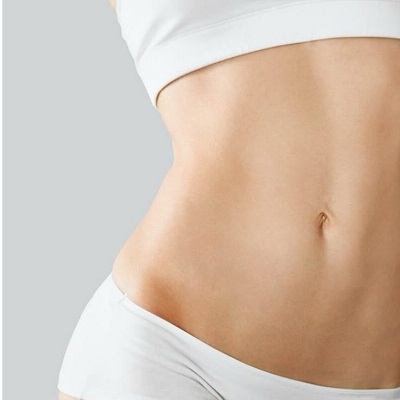
Fat Melting Injections for Belly Fat: What Patients Should Know
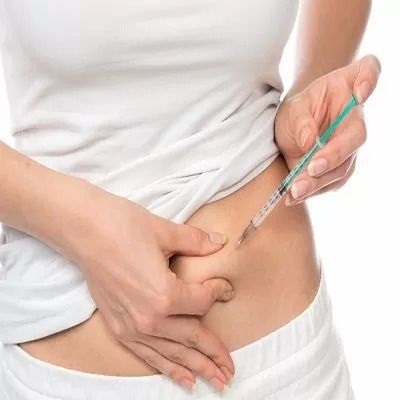
Belly fat is one of the most common concerns among people looking to improve their body shape. Even with regular exercise and a balanced diet, some individuals continue to have small pockets of stubborn fat around the abdomen. This can lead people to explore non-surgical options, including Fat Melting Injections.
Fat melting injections are designed to target localized areas of fat rather than provide overall weight loss. They have attracted attention because they may offer a less invasive approach to body contouring compared with surgical procedures. However, understanding what these injections can and cannot do is important before considering treatment.
Not every product marketed as a fat-dissolving injection is approved for use on the abdomen, and evidence can vary significantly between different injectable substances. Some injectable treatments are specifically studied and approved for particular body areas, while other products may be unapproved or inadequately studied. Patients should therefore focus on the specific product, its approved use, potential risks, and the qualifications of the person administering it.
What Are Fat Melting Injections for Belly Fat?
Fat melting injections, sometimes called fat-dissolving or injectable lipolysis treatments, are intended to reduce localized deposits of fat. Depending on the product, the active ingredient may work by damaging fat cells so that the body can gradually remove their contents.
One well-known injectable fat-reduction ingredient is deoxycholic acid. It is a naturally occurring bile acid that can break down dietary fat in the digestive system. A pharmaceutical formulation of deoxycholic acid has been approved in the United States for improving the appearance of moderate to severe fat beneath the chin in adults. Its approved indication, however, is specifically for submental fat rather than general abdominal fat.
This distinction matters. A treatment that has regulatory approval for one area of the body should not automatically be assumed to be approved or equally well established for another area.
The term “fat melting injections” is also used broadly in aesthetic settings, sometimes referring to products with different ingredients and evidence. Patients should not assume that every injection advertised under this name has the same safety profile or clinical research behind it.
The U.S. Food and Drug Administration has warned consumers about unapproved fat-dissolving injections, particularly products sold directly to consumers or intended for self-injection. Such products can cause serious complications when they are not appropriately manufactured or administered.
Can Fat Melting Injections Reduce Belly Fat?
The answer depends heavily on the specific injectable product and how it is being used.
Localized fat reduction is different from weight loss. Fat melting injections are generally intended to contour a small area rather than reduce a person’s overall body weight. Someone who has a relatively small, localized fat deposit may be interested in contouring, while someone with obesity or widespread abdominal fat would generally need a broader weight-management approach.
Another important consideration is the type of abdominal fat. Fat around the waist can include subcutaneous fat, which sits directly beneath the skin, and visceral fat, which surrounds internal organs. Injectable cosmetic fat-reduction treatments are aimed at accessible fat beneath the skin. They are not a treatment for visceral fat.
This is one reason a proper assessment is important before treatment. A person’s abdomen may look larger because of several factors, including body fat, loose skin, muscle tone, bloating, posture, or changes following pregnancy or significant weight loss.
Fat melting injections may therefore be more relevant to a localized pocket of subcutaneous fat than to general abdominal weight gain.
Patients should also be cautious about claims that injections can “melt away” large amounts of belly fat quickly. Cosmetic injectable treatments should not be presented as a replacement for healthy eating, physical activity, or medically appropriate weight-management care.
Who May Consider Fat Melting Injections?
The ideal candidate depends on the specific product and treatment area. In general, injectable body-contouring treatments are more relevant to people who are concerned about a relatively small, localized area of fat rather than those seeking significant weight reduction.
A person considering treatment may have:
- A stable body weight
- A localized pocket of subcutaneous abdominal fat
- Realistic expectations about the degree of improvement
- An understanding that results may be gradual
- No active infection or significant skin problem in the treatment area
- A preference for a non-surgical body-contouring approach
However, not everyone with belly fat is an appropriate candidate.
People with significant excess weight may benefit more from an evidence-based weight-management program. Individuals with substantial loose skin may also find that removing some fat does not necessarily produce the desired abdominal appearance. After major weight loss, for example, excess skin may remain even when the amount of underlying fat is relatively low.
Pregnancy, previous abdominal surgery, hernias, certain medical conditions, medications, and other individual factors can also affect whether an injectable treatment is appropriate.
A healthcare professional should evaluate the abdomen and medical history before treatment rather than relying solely on photographs or a person’s description of the problem.
What Happens During a Fat Melting Injection Treatment?
The treatment process varies according to the injectable being used. Before any procedure, the treatment area should be assessed and the expected outcome discussed.
If an injectable fat-reduction treatment is considered appropriate, the area may be marked to identify the intended treatment zones. A series of small injections may then be administered into the targeted subcutaneous fat.
Because different products contain different ingredients and have different instructions, there is no universal injection technique or standard number of injections for every fat-melting treatment.
Some patients may experience temporary stinging, tenderness, redness, swelling, bruising, firmness, or sensitivity following injections. The intensity and duration of these effects depend on the product, treatment area, amount administered, and individual response.
Recovery is generally different from surgical liposuction because there is no surgical incision. Nevertheless, “non-surgical” does not mean “risk-free.” Swelling or bruising may temporarily make the treated area appear worse before it begins to look better.
Patients should follow the specific aftercare instructions provided by the treating healthcare professional and report unexpected or severe symptoms promptly.
How Long Do Results From Fat Melting Injections Take?
Fat reduction from injectable treatments is generally not immediate.
When a treatment damages fat cells, the body needs time to process and clear the resulting cellular material. Consequently, any visible improvement may develop gradually rather than appearing immediately after an appointment.
The timeline also depends on the product. For example, established deoxycholic-acid treatment for submental fat typically requires multiple treatment sessions, and improvement develops over time rather than instantly.
For abdominal treatments, patients should be particularly cautious about promises of a specific result within a few days. A realistic treatment plan should explain when changes might reasonably become noticeable and whether more than one session may be necessary.
Results can also vary considerably between individuals. The amount of localized fat, skin elasticity, age, body composition, lifestyle, and treatment technique can all influence the final appearance.
It is also worth remembering that reducing existing fat cells does not prevent other fat cells from enlarging in the future. Significant weight gain can therefore affect the appearance of the treated area.
Benefits and Potential Risks of Fat Melting Injections
The main appeal of fat melting injections is their non-surgical nature. People interested in localized body contouring may prefer an injectable procedure because it generally does not involve surgical incisions or the same type of recovery associated with liposuction.
Potential advantages can include:
- A non-surgical approach to localized fat
- Targeted treatment of specific areas
- No traditional surgical incision
- Gradual changes that may look relatively subtle
- The possibility of returning to everyday activities sooner than after some surgical procedures
However, potential risks should receive equal attention.
Depending on the product and treatment, side effects can include pain, swelling, redness, bruising, tenderness, numbness, firmness, and changes in skin sensation. More serious complications are possible when injections are improperly administered.
The FDA has specifically warned about unapproved fat-dissolving injections. Reported complications from unapproved products have included infections, painful knots, skin deformities, cysts, and tissue damage.
The source of the product is therefore extremely important. Patients should be cautious about purchasing injectable products online, attempting to inject themselves, or choosing treatment solely because it is advertised as inexpensive or fast.
Another limitation is that injectable fat reduction is not equivalent to liposuction. Surgical fat removal can physically remove a larger amount of fat in a single procedure, whereas injectable approaches are generally intended for more targeted contouring.
For someone with substantial abdominal fat, injections may not be the most suitable option. A healthcare professional can explain whether lifestyle changes, weight-management treatment, non-invasive body contouring, injectable treatment, or surgery better matches the person’s goals.
How to Choose a Safe Fat Melting Injection Treatment
Anyone considering fat melting injections should start by asking exactly what product is being used and whether it is approved for the intended body area.
A reputable medical consultation should provide clear information about:
- The active ingredient
- The regulatory status of the product
- Whether the product is approved for the proposed treatment area
- Expected benefits and limitations
- Potential side effects and complications
- The anticipated number of sessions
- Recovery and aftercare requirements
- Alternative treatment options
The person administering the injection should also be appropriately trained and qualified to perform the procedure.
Patients should be especially cautious if a provider promises dramatic weight loss, guarantees a particular result, recommends self-injection, refuses to identify the product being used, or minimizes possible risks.
A safe treatment decision is not simply about finding the strongest injection. It is about matching an evidence-based treatment to the patient’s anatomy, goals, and medical circumstances.
Frequently Asked Questions
1. Do fat melting injections permanently remove belly fat?
Some injectable fat-reduction treatments are intended to destroy targeted fat cells, but this does not mean that future weight gain is impossible. Remaining fat cells can enlarge, and changes in overall body weight can affect the treated area’s appearance. The long-term result therefore depends partly on maintaining a relatively stable weight.
2. Are fat melting injections the same as weight-loss injections?
No. Fat melting injections for cosmetic body contouring are different from prescription medications used for weight management. Injectable fat-reduction treatments target localized deposits of subcutaneous fat, while weight-loss medications are designed to influence appetite, metabolism, or other physiological processes to support overall weight reduction.
3. Can fat melting injections treat visceral belly fat?
No cosmetic fat-dissolving injection should be assumed to treat visceral fat. Visceral fat is located around internal organs and is not the same as the subcutaneous fat found immediately beneath the skin. Reducing visceral fat generally involves broader approaches such as weight management, physical activity, nutrition, and treatment of relevant health conditions.
4. How many sessions are needed for belly fat?
There is no universal number of sessions. The appropriate number depends on the particular injectable product, the treatment area, the amount of localized fat, and the individual’s response. Patients should receive a personalized treatment plan rather than relying on a fixed number advertised for everyone.
5. Are fat melting injections safe?
Safety depends on the product, its regulatory status, the treatment area, injection technique, and the qualifications of the healthcare professional. Approved treatments used for their intended purpose have established safety information, but unapproved products can carry significant risks. The FDA specifically advises consumers against unapproved fat-dissolving injections.
6. Are fat melting injections better than liposuction for belly fat?
Neither option is automatically better for everyone. Injectable treatment may appeal to someone with a relatively small localized fat pocket who prefers a non-surgical approach. Liposuction can remove more fat and create a more substantial contouring change, but it is a surgical procedure with different risks and recovery requirements. A professional assessment can help determine which approach is more appropriate.
Final Thoughts
Fat melting injections can sound appealing to people who want to reduce stubborn belly fat without surgery. However, the phrase covers a broad range of products, and their evidence, regulatory approval, and appropriate treatment areas can differ considerably.
The most important point for patients is that localized fat reduction is not the same as weight loss. These treatments are intended to improve body contour in selected areas, not replace healthy lifestyle habits or comprehensive medical weight-management care.
Anyone considering fat melting injections for belly fat should ask what substance is being injected, whether it is approved for that particular body area, what results are realistically expected, and what risks are involved. Treatment should be performed by an appropriately qualified healthcare professional rather than through self-injection or unverified products purchased online.
With realistic expectations and careful product and candidate selection, non-surgical body contouring may be an option for certain individuals. A thorough consultation remains the best way to determine whether fat melting injections are appropriate or whether another approach would provide a safer and more effective result.
Read More About Fat Melting Injections: https://www.friendbookmark.com/blogpost/80733/fat-melting-injections-how-many-sessions-do-you-need