The Ultimate Guide to Mailer Packaging for E-commerce Brands
Run an online store long enough and you hit the same realization eventually. The box matters almost as much as whatever’s inside it. Product can be genuinely great, but if it shows up dented, or the packaging feels cheap the second someone picks it up, that first impression just sticks. Mailer packaging stopped being a pure shipping necessity a while back. It’s part of the actual brand experience now, especially with so many customers meeting a product for the first time through a delivery box instead of a store shelf.
This is a walk-through of what actually matters when picking mailer packaging, and where a lot of brands trip themselves up along the way.
What the Packaging Actually Has to Pull Off
Before getting into materials and styles, worth being honest about the job here. A mailer needs to protect whatever’s inside through transit, survive getting tossed around by however many hands touch it along the shipping chain, fit tightly enough that shipping costs stay reasonable, and still look good the second it’s opened. That’s asking a lot from a piece of cardboard, and it’s exactly why so many brands end up testing several options before they land on one that actually works.
Cut corners on any single piece of that and it shows up fast. Damaged product complaints. Shipping bills that are somehow way higher than expected. An unboxing that just falls flat next to whatever a competitor’s doing.
Picking the Right Structure
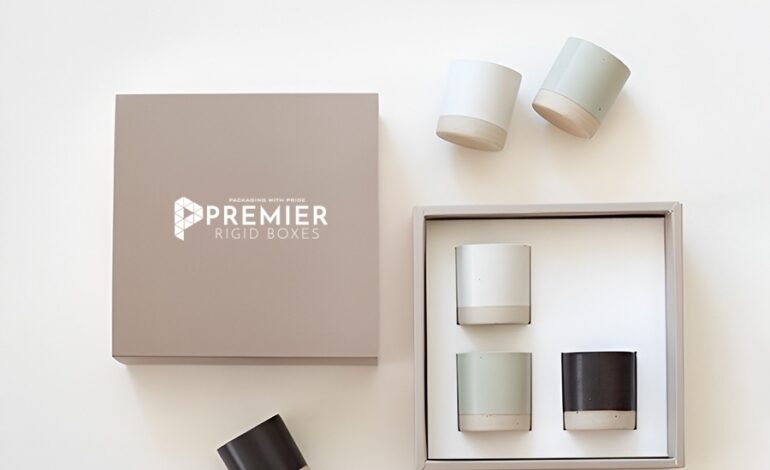
Mailer boxes mostly fall into a few buckets. Corrugated mailers give strong protection for heavier or fragile stuff, since that extra fluted layer soaks up impact way better than a single sheet of flat board. Rigid mailers hold a specific shape well, which is why apparel and cosmetic sets lean on this style often. Simple folding mailers are lighter, cheaper, and honestly fine for anything that isn’t especially fragile, where cost per unit ends up mattering more than heavy-duty protection.
Which one’s right really depends on what’s actually shipping. A skincare brand moving glass bottles needs something different than a clothing brand shipping folded shirts, and grabbing one mailer style for everything usually means overpaying for protection some products don’t need while under protecting the ones that do.
Color Does More Work Than Most Brands Expect
Color pulls its weight in mailer packaging more than a lot of brands account for early on. A distinctive color builds instant recognition, both for repeat customers who start connecting that specific look with a delivery from a brand they already trust, and for random people who spot the package on a porch or in an unboxing clip online.
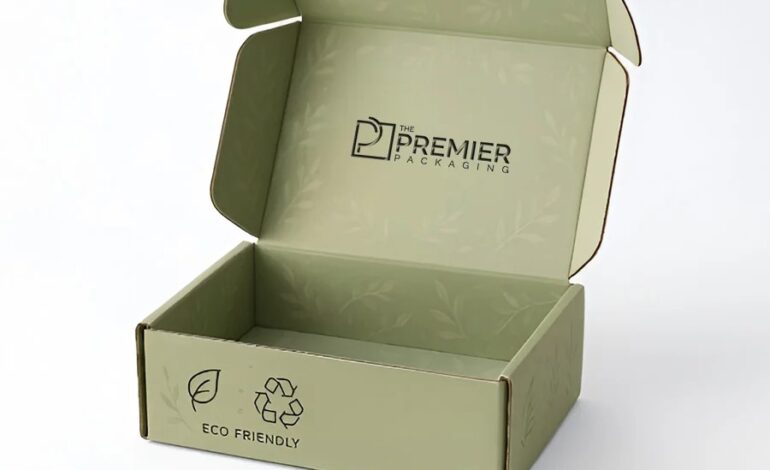
Bold, saturated colors photograph well and stand out in a way plain brown cardboard just never will. That’s a big reason so many e-commerce brands have shifted toward custom-colored mailers as an actual branding tool, not just something to ship product in. A blue Mailer Boxes option, for instance, tends to read as clean and trustworthy, calm even, which fits well for brands in skincare, wellness, or tech accessories where that tone lines up with the rest of the brand.
Getting Sizing Right Saves More Than People Think
Oversized mailers rank among the most common, and most expensive, mistakes e-commerce brands make. Carriers increasingly price based on dimensional weight, so a box that’s mostly empty air can cost a lot more to ship than one properly sized for what’s inside.
Beyond just cost, oversized boxes leave more room for a product to shift around mid-transit, which raises the odds of damage even with padding thrown in. Nailing the size, sometimes running a couple standard sizes instead of one box for everything, tends to pay off on both fronts at once.
Sustainability Isn’t Really Optional Anymore
A growing chunk of online shoppers factor packaging waste into how they feel about a brand these days, and mailer packaging is often the most visible spot where that concern shows up. Recyclable corrugated material, cutting back on plastic tape or bubble wrap, clear recycling instructions printed right on the box, all of it helps without needing a full packaging overhaul.
Brands ahead of the curve here tend to weave sustainability into the actual unboxing moment, a short note about the Custom Packaging box being recyclable, say, rather than treating it as some separate marketing push disconnected from the packaging itself.
The Unboxing Still Deserves Real Attention
Even with a pretty basic mailer, small touches shape how the whole thing feels. Clean interior print. Tissue paper in a brand color. A short thank-you card. A pull-tab opening instead of tape someone has to hunt for scissors to cut through. None of it adds much cost per unit, but it adds real polish.
This matters especially for brands counting on repeat purchases or word-of-mouth growth, since unboxing content gets shared often enough now that it basically functions as free marketing whether a brand planned for it or not.
Test Before Locking In a Full Run
Worth ordering a small batch before committing to a big print run, especially when trying a new size, material, or color. Real shipping tests, actually sending sample packages through the same carriers customers will use, tend to surface problems that never show up sitting in a warehouse.
Final Words
Mailer packaging quietly turned into one of the more important touchpoints in e-commerce, pulling double duty as both protection and brand statement. Getting structure, sizing, color, and sustainability right takes some testing and a bit of upfront cost, but it pays off, fewer damaged shipments, lower shipping bills, and a delivery experience that actually reflects the brand behind the product.