Microneedling Treatment in Chicago: Benefits, Cost, Recovery, and What to Expect
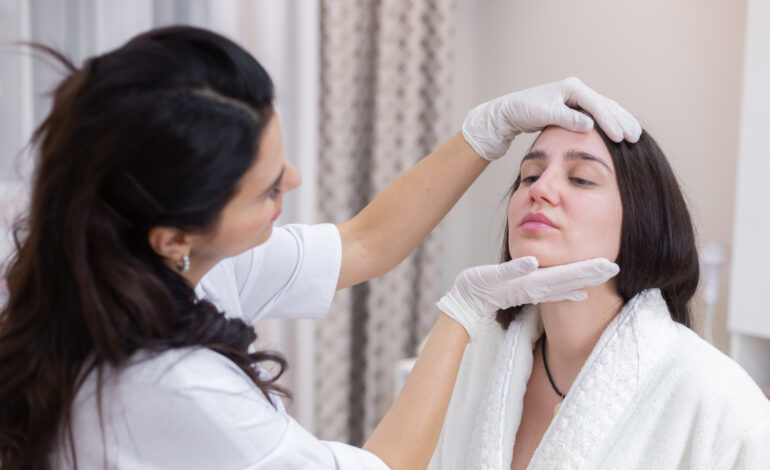
Looking for a microneedling treatment in Chicago usually starts with a simple question: Will it actually help my skin?
It can help with some concerns. Microneedling uses very small needles to create controlled openings in the skin. This starts a healing response that can increase collagen and elastin, two proteins that help support skin structure. Dermatologists use microneedling for concerns such as acne scars, fine lines, uneven texture, large pores, and some types of dark spots or scars.
But the right treatment depends on your skin, your goals, and the device being used. Regular microneedling and radiofrequency microneedling are not the same thing. That matters when comparing Chicago providers.
What Is Microneedling and How Does It Work?
Microneedling is sometimes called collagen induction therapy.
A trained provider moves a device with tiny needles across the treatment area. The needles create many small, controlled punctures. Your skin then begins repairing these areas and making new collagen and elastin.
The treatment is minimally invasive. It does not remove large areas of skin like some deeper resurfacing procedures.
The FDA has legally authorized certain microneedling devices for specific uses, including improving the appearance of facial acne scars, facial wrinkles, and abdominal scars in adults age 22 and older. Not every microneedling device or advertised use has been reviewed by the FDA.
That is one reason the exact device matters.
What Can Microneedling Help Treat?
People seek facial microneedling for many reasons.
Acne scars
Acne scars are one of the best-known uses. Microneedling may make some scars less noticeable by encouraging new collagen in the treated skin. Different types of acne scars respond differently, so a skin exam should come first.
Active acne is another issue. If you have deep, painful, or pus-filled pimples, treatment may need to wait until the acne is controlled.
Fine lines and wrinkles
Microneedling may soften the look of fine lines and some wrinkles over time.
Do not expect an instant change.
Collagen develops gradually. Improvement may begin within several weeks, while fuller results can take several months.
Uneven texture and enlarged pores
Microneedling is also used to improve rough texture and make enlarged pores less noticeable. The American Academy of Dermatology lists uneven skin texture, large pores, scars, and uneven tone among concerns dermatologists may treat with microneedling.
Dark spots and uneven tone
Microneedling may be considered for some pigmentation concerns, but darker or lighter patches can also occur as a side effect.
This part needs care. Your provider should look at your skin tone, history of discoloration, current skin products, sun exposure, and the condition being treated before recommending the procedure.
Stretch marks and other scars
Dermatologists also use microneedling for some stretch marks and scars caused by surgery or injury.
Results vary. Treatment may make a scar less visible without removing it completely.
What Happens During a Microneedling Treatment?
A good appointment starts before the needles touch your skin.
Your provider should review your health history, examine the area, and ask what result you expect. This is also the time to mention medications, acne treatment, cold sores, skin infections, bleeding problems, past keloid scars, and any condition that affects healing.
Before treatment, the skin is cleaned. A topical numbing medicine is often applied to reduce discomfort. The provider then moves the microneedling device over the planned treatment area.
You may feel pressure, warmth, scratching, or mild discomfort.
Treatment time depends on the area. A small facial area may take much less time than treatment of larger scars or stretch marks.
Standard Microneedling vs. RF Microneedling
This difference can get lost in clinic marketing.
Traditional microneedling creates controlled needle punctures.
RF microneedling, or radiofrequency microneedling, places needles into the skin and also sends radiofrequency energy through them. That energy creates heat below the skin.
RF microneedling may be offered for skin texture, wrinkles, scars, or tightening. It is a medical procedure.
There is also a newer safety issue patients should know about.
On October 15, 2025, the FDA warned that serious complications had been reported with certain uses of RF microneedling. Reported problems included burns, scarring, fat loss, nerve damage, and disfigurement. The FDA advised patients to choose a licensed health care provider who has training and experience with RF microneedling and to ask which device will be used.
This does not mean every RF treatment causes these problems. It does mean you should not treat RF microneedling as a simple spa facial.
Who May Be a Good Candidate?
Microneedling may be considered if you have concerns such as acne scars, uneven texture, fine lines, enlarged pores, or certain scars and pigmentation changes.
It is not right for everyone.
A provider may advise against treatment or delay it if you have an active skin infection, active cold sores, severe inflamed acne, problems with wound healing, a history of keloid scars, certain immune problems, or some other medical conditions. Blood-thinning medication and isotretinoin use also need to be discussed before treatment.
Do not stop a prescription medicine on your own to prepare for microneedling. Ask the clinician who prescribed it and the clinician performing your procedure.
Microneedling Side Effects and Risks
Redness is common after regular microneedling. Your skin may also feel tight, dry, sore, itchy, warm, or mildly swollen.
Other possible effects include peeling, bruising, small amounts of bleeding, or crusting. Less common risks include infection, changes in skin color, cold sore reactivation, or other skin reactions.
These risks are one reason provider training matters.
The FDA recommends asking about the provider’s microneedling training and how the device is cleaned. For devices that use disposable needle cartridges, a new cartridge should be used for every patient and every treatment session. Reusing one is unsafe.
Microneedling Recovery and Aftercare
Many people have only a short recovery period.
Your face may look red or darker than usual after treatment and can feel similar to a mild sunburn. These reactions often improve within several days, although some people have visible effects for up to a week.
Follow the exact aftercare plan given by your provider.
That may include gentle skin care, sun protection, and temporarily avoiding products that could irritate healing skin. The AAD advises waiting 24 hours before applying makeup after microneedling.
Chicago weather deserves a small mention here. Sun exposure still matters in winter, and cold wind or dry indoor heat may make freshly treated skin feel more irritated. Keep aftercare simple and follow your clinician’s instructions rather than adding new products during recovery.
Contact your provider if something seems wrong. Cleveland Clinic advises contacting a health care provider for issues such as prolonged bleeding, blistering, or swelling that lasts longer than expected.
How Many Microneedling Sessions Will You Need?
One appointment may not be enough.
Many patients receive a series of treatments because collagen remodeling takes time. The number and spacing depend on what is being treated, how deep the treatment goes, your skin, and the device being used.
Acne scars may require several sessions.
Do not judge a provider by a promise such as “three treatments works for everyone.” Skin does not behave that neatly.
Ask why a certain number of sessions is being recommended for you.
How Soon Will You See Microneedling Results?
Some changes may appear within weeks, but microneedling results develop gradually.
Your body has to build and remodel collagen. Full improvement can take several months. Some people also need maintenance treatment later.
Results depend on your starting skin condition, scar type, age, treatment settings, healing response, and number of sessions.
Before-and-after photos can help set expectations, but ask to see patients with a skin tone and concern similar to yours.
How Much Does Microneedling Cost in Chicago?
There is no single honest microneedling cost in Chicago that applies to every patient.
Price can change based on:
- The size of the treatment area
- Standard microneedling versus RF microneedling
- The device used
- The provider’s training
- The number of sessions
- Whether other treatments or products are added
Rather than relying only on an advertised starting price, ask for the expected total cost of your treatment plan.
Also ask whether follow-up care is included.
Cosmetic treatment is often paid out of pocket, but coverage rules vary. Check directly with your insurance plan and the Chicago clinic before treatment if coverage matters to you.
How to Choose a Microneedling Provider in Chicago
The lowest price should not make the decision for you.
The American Academy of Dermatology recommends seeing a medical doctor with expertise in skin and cosmetic procedures, such as a board-certified dermatologist, for medical microneedling. The FDA also recommends choosing a health care provider trained to perform the procedure.
Before booking, ask:
- Who will perform my treatment?
- What training do they have?
- Which microneedling device will you use?
- Is the device FDA-cleared for its intended use?
- Will you use a new sterile needle cartridge?
- Have you treated people with my skin tone?
- What side effects should I expect?
- What would make you tell me not to have treatment?
- Is this regular microneedling or RF microneedling?
- What is the full expected price for my treatment plan?
Those questions tell you much more than a polished before-and-after gallery.
Microneedling Treatment in Chicago FAQs
Does microneedling hurt?
A numbing cream is commonly used first. You may still feel scratching, warmth, pressure, or discomfort, especially over bony areas.
Is microneedling good for acne scars?
It can improve the appearance of some acne scars. Scar type matters, and active acne should usually be controlled first.
Is microneedling safe for darker skin tones?
Microneedling is used across skin tones, but pigment changes remain a possible side effect. The FDA notes that some authorized devices were not studied in people with darker skin types. Ask about the provider’s experience treating skin like yours.
How much downtime should I plan for?
Many people have redness, swelling, color changes, or a sunburn-like feeling for a few days. Some visible effects may last up to a week.
Is RF microneedling the same as regular microneedling?
No. RF microneedling also sends radiofrequency energy into tissue through the needles. The FDA has warned about reports of serious complications with certain uses of RF microneedling, so discuss its specific benefits and risks before treatment.
Your Next Step
If you are considering microneedling treatment in Chicago, start with a skin assessment rather than choosing a clinic from price alone.
Bring a list of your medications and skin products. Explain your main concern. Ask which device will be used, who will perform the treatment, what recovery should look like, and what results are realistic for your skin.
A careful consultation is part of the treatment.