What Lattice Degeneration Laser Treatment Can Do for You
Your eyes help you enjoy every part of life, from reading and driving to spending time with family and friends. Good vision also helps you stay independent and confident in daily activities. However, some eye conditions can quietly affect the retina without causing early warning signs.
Many people do not realize that small changes inside the eye may lead to serious vision problems later. One such condition is lattice degeneration, which can increase the risk of retinal tears or retinal detachment if not treated at the right time.
In such situations, Lattice Degeneration Laser Treatment may help protect the retina and lower the chance of future complications. This treatment is commonly recommended for patients who have weak areas in the retina or signs that a retinal tear could develop.
This article explains what lattice degeneration is, how laser treatment works, who may need it, its benefits, risks, recovery process, and what you can expect after treatment.
Understanding Lattice Degeneration
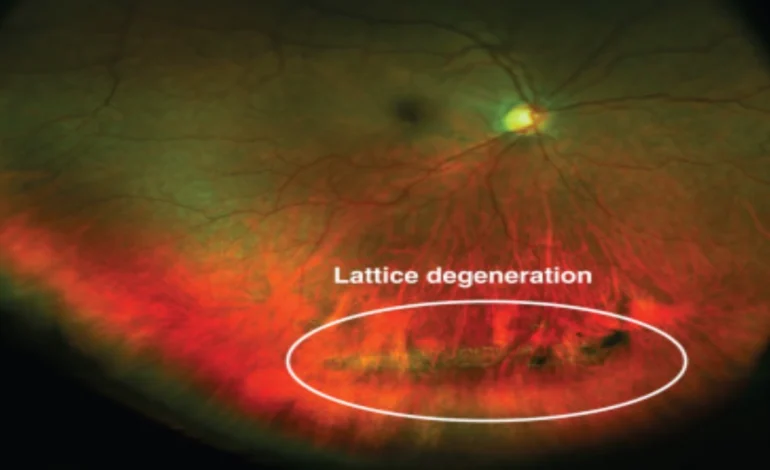
Lattice degeneration is a condition that affects the retina, the thin layer of tissue located at the back of the eye. The retina plays an important role in vision because it sends visual signals to the brain.
In lattice degeneration, certain areas of the retina become thinner and weaker. These weak areas may develop small holes or tears over time. If the retina tears, fluid can pass underneath it and cause retinal detachment, which is a serious eye problem that may lead to permanent vision loss if not treated quickly.
This condition is more common than many people think. Some people may never notice symptoms, while others may experience warning signs that require medical attention.
What Causes Lattice Degeneration?
Doctors do not always know the exact cause, but several factors may increase the risk of developing lattice degeneration.
Common risk factors include:
- Nearsightedness (myopia)
- Family history of retinal problems
- Aging
- Previous retinal tears
- Eye injuries
- Retinal detachment in the other eye
People with high myopia are often at greater risk because the eye becomes longer, which may stretch and thin the retina.
Symptoms of Lattice Degeneration
Many people with lattice degeneration do not notice symptoms during the early stages. The condition is often found during a routine eye examination.
However, some people may experience symptoms that suggest retinal changes are occurring.
Possible symptoms include:
- Sudden flashes of light
- Floaters in vision
- Blurred vision
- Dark shadow in part of the visual field
- Sudden decrease in vision
These symptoms should never be ignored because they may indicate a retinal tear or retinal detachment.
Why Early Detection Matters
The retina is delicate and sensitive. Once retinal detachment occurs, treatment becomes more urgent and sometimes more complicated.
Early diagnosis allows eye specialists to monitor the retina carefully and decide whether preventive laser treatment is needed. In many cases, treating weak retinal areas before complications develop can help protect vision.
Regular eye exams are especially important for people with high myopia or a family history of retinal disease.
What Is Lattice Degeneration Laser Treatment?
Lattice Degeneration Laser Treatment is a preventive eye procedure used to strengthen weak areas of the retina. The treatment is commonly called laser photocoagulation.
During the procedure, a laser creates tiny burns around the weak retinal area or tear. These burns form small scars that help attach the retina more firmly to the tissue underneath it.
This barrier reduces the chance of fluid passing through retinal tears and causing retinal detachment.
The treatment is usually performed in an outpatient setting, meaning patients can go home the same day.
How Does the Laser Treatment Work?
The laser focuses controlled energy on the retina. The purpose is not to remove tissue but to create a protective seal around the affected area.
The treatment process usually includes:
- Eye examination and retinal imaging
- Eye drops to widen the pupils
- Numbing eye drops for comfort
- Placement of a special contact lens on the eye
- Laser application around the weak retinal area
The procedure itself often takes around 10 to 20 minutes, depending on the size and number of retinal areas being treated.
Who May Need This Treatment?
Not every patient with lattice degeneration requires laser treatment. Some patients only need regular monitoring.
Doctors may recommend laser treatment in situations where the risk of retinal detachment is higher.
Treatment may be advised for:
- Retinal tears
- Symptomatic lattice degeneration
- History of retinal detachment in the other eye
- Strong family history of retinal detachment
- High-risk retinal changes
- Severe nearsightedness with retinal weakness
The decision depends on the overall condition of the retina and the patient’s symptoms.
Benefits of Lattice Degeneration Laser Treatment
Laser treatment is mainly used to reduce the risk of future retinal complications. It can play an important role in preserving long-term vision.
Main benefits include:
1. Reduced Risk of Retinal Detachment
This is the primary goal of treatment. By sealing weak areas, the laser lowers the chance of retinal detachment.
2. Protection of Vision
Preventive treatment helps protect eyesight before major damage occurs.
3. Quick Outpatient Procedure
The treatment is usually fast and does not require hospital admission.
4. Minimal Recovery Time
Most people return to normal daily activities within a short period.
5. Non-Surgical Approach
Laser treatment is less invasive than major retinal surgery.
What to Expect During the Procedure
Many patients feel nervous before any eye treatment. Understanding the process can help reduce anxiety.
Before the procedure
The doctor examines the retina carefully and may perform imaging tests. Eye drops are used to dilate the pupils.
During the procedure
You sit in front of a laser machine similar to the equipment used during a normal eye examination. The doctor places a lens on the eye to guide the laser.
Some patients notice bright flashes of light during treatment. Mild discomfort or a slight stinging sensation may occur, but severe pain is uncommon.
After the procedure
Vision may remain blurry for a few hours due to dilating drops. Some people notice mild eye irritation or headache temporarily.
Recovery After Laser Treatment
Recovery is generally simple for most patients.
Common recovery experiences include:
- Mild blurry vision
- Light sensitivity
- Mild discomfort
- Temporary floaters
These symptoms often improve within a few days.
Doctors may advise avoiding heavy lifting, intense exercise, or strenuous activities for a short period after treatment.
Follow-up visits are important to ensure the retina is healing properly.
Are There Any Risks or Side Effects?
Like any medical procedure, laser treatment may have some risks, although serious complications are uncommon.
Possible side effects include:
- Temporary blurry vision
- Mild eye discomfort
- Light sensitivity
- Minor inflammation
Rare complications may include:
- New retinal tears
- Bleeding
- Swelling
- Vision changes
Your eye specialist carefully evaluates the risks and benefits before recommending treatment.
How Successful Is the Treatment?
Laser treatment is widely used and considered effective in reducing the risk of retinal detachment in many high-risk patients.
Success depends on factors such as:
- Severity of retinal weakness
- Presence of retinal tears
- Timing of treatment
- Overall eye health
Early treatment generally offers better protection against complications.
Lifestyle Tips for Eye Health
Although lattice degeneration itself may not always be preventable, healthy eye habits can support long-term vision care.
Helpful eye care habits include:
- Attend regular eye exams
- Report sudden visual changes immediately
- Protect eyes from injury
- Manage medical conditions like diabetes
- Follow your doctor’s advice carefully
People with high myopia should be especially careful about regular retinal evaluations.
When Should You See an Eye Specialist?
You should seek immediate medical attention if you experience:
- Sudden flashes of light
- Increase in floaters
- Curtain-like shadow in vision
- Sudden vision loss
These symptoms may indicate retinal tearing or detachment and require urgent care.
Routine eye checkups are also important even without symptoms because lattice degeneration may progress silently.
Difference Between Monitoring and Laser Treatment
Some patients wonder why certain cases only require monitoring while others need laser treatment.
Monitoring may be enough when:
- No symptoms are present
- No retinal tears exist
- The retina appears stable
Laser treatment may be needed when:
- Symptoms are present
- Retinal tears develop
- The retina appears high-risk
- Previous retinal detachment exists
Your doctor makes recommendations based on your individual retinal condition.
Can Lattice Degeneration Return After Treatment?
The treated areas usually form stable scar tissue that helps secure the retina. However, new weak areas may develop in other parts of the retina over time.
That is why regular follow-up visits remain important even after successful treatment.
Importance of Follow-Up Care
Many patients feel better after laser treatment and skip follow-up appointments. This can be risky because retinal changes may still occur later.
Regular retinal examinations allow doctors to:
- Monitor healing
- Detect new weak areas
- Identify retinal tears early
- Protect long-term vision
Following your doctor’s follow-up schedule is a very important part of eye care.
Questions Patients Often Ask
Is the treatment painful?
Most patients experience only mild discomfort or temporary stinging sensations.
Can I go home the same day?
Yes, the procedure is usually performed on an outpatient basis.
Will I need glasses afterward?
Laser treatment itself does not usually change your glasses prescription.
How long does recovery take?
Most people recover within a few days, although complete healing may take longer.
Can retinal detachment still happen later?
The treatment lowers the risk but may not completely remove it. Regular monitoring remains important.
Emotional Benefits of Preventive Eye Care
Eye conditions can create stress and fear, especially when vision may be affected. Preventive treatment often provides peace of mind because patients know they are taking steps to protect their eyesight.
Feeling informed and receiving timely care can also help reduce anxiety related to future vision problems.
Conclusion
Protecting retinal health is very important for maintaining clear vision and avoiding serious complications later in life. Lattice degeneration may not always cause symptoms in the beginning, but weak areas in the retina can increase the risk of retinal tears and retinal detachment.
Lattice Retinal Degeneration is designed to strengthen vulnerable retinal areas and reduce the chance of future damage. The procedure is generally quick, minimally invasive, and widely used for patients who are considered at higher risk.
Early diagnosis, regular eye examinations, and timely treatment can make a major difference in preserving long-term vision. If you notice flashes, floaters, or sudden vision changes, seeking prompt medical care is essential.
For proper evaluation and personalized guidance, consult an experienced eye specialist such as Dr. Mandeep Lamba to understand the best treatment approach for your eye health needs.