Online Commodity Trading: Learn Market Essentials
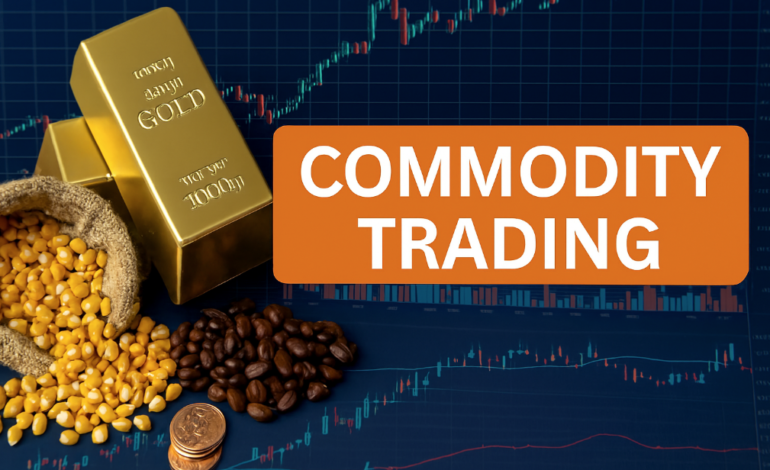
In simple terms, the commodity market is the biggest farmers’ market but instead of picking fresh fruit and vegetables, traders buy and sell basic goods such as gold, oil, grains and more. Now, thanks to the internet and modern technology, that make online commodity trading easy as folks can jump into this exciting market without leaving their couch.
Why the sudden buzz around online commodity trading? Well, it’s all about speed, convenience, and access. This digital shift is leveling the playing field, making it more approachable and less of an exclusive club. If you’ve ever wondered what it means or if it’s something worth exploring, you’re in the right place.
Online Commodity Trading – What It Is and Why It Matters
Online commodity trading is the act of buying and selling raw materials like gold, oil, or wheat through digital platforms instead of traditional, in-person exchanges. Think of it as riding the wave of digital transformation, where technology makes trading faster, more accessible, and less tied to physical locations.
Online trading lets you jump into the market from your laptop or even your smartphone, whether you’re at home or on the go. Imagine sipping your morning coffee while tracking and executing trades in real-time—that convenience is a gamechanger. This shift not only opens doors for individual but also brings a new level of transparency and flexibility to the market.
How the Commodity Market Works Behind the Scenes?
The commodity market might seem like a buzzing hive of activity, but behind the scenes, it operates through a well-organized system connecting buyers, sellers, and traders worldwide. Here’s a quick breakdown:
-
Supply and Demand Driving Prices
Just like any market, commodity prices fluctuate based on supply and demand. For example, a poor harvest can send grain prices soaring, while a bumper crop might lower costs.
2. Futures Contracts at the Core
Most trading’s happen through futures contracts and agreements to buy or sell a specific amount of a commodity at a set price on a future date. These contracts help producers and consumers lock in prices and manage risk.
-
Exchanges Make It Official
Major commodity markets like the Chicago Mercantile Exchange (CME) or London Metal Exchange (LME) provide the digital platforms where these contracts are bought and sold.
-
Role of Traders and Speculators
Traders, including speculators, add liquidity and help balance the market. While producers use the market to hedge risks, speculators aim to profit from price movements.
-
Regulatory Oversight Ensures Fair Play
To keep things above board, regulatory bodies monitor trading activities to prevent manipulation and protect investors.
In a nutshell, the Online Commodity Trading market is a blend of real-world goods, financial contracts, and market participants all working behind the curtain to keep your daily essentials flowing smoothly. It’s a complex dance, but with technology, especially online trading, this process has become more transparent and accessible than ever.
Different Ways to Participate in Commodity Trading
The commodity market offers several ways to get involved, and each option suits a different type of trader.
- Spot Trading: It involves buying or selling a commodity at its current market price for immediate settlement. It is one of the most straightforward ways to participate and is often preferred by those who want direct exposure to market prices.
- Futures Contracts: They are agreements to buy or sell a commodity at a predetermined price on a future date. Many traders use futures to speculate price movements or manage risk in changing market conditions.
- Commodity CFDs: It allows traders to speculate commodity price changes without owning the underlying asset. This approach provides flexibility and access to various markets, including gold, silver, crude oil, and natural gas.
- Exchange-Traded Funds (ETFs): Commodity ETFs offer exposure to commodities through a fund that trades on a stock exchange. They can be a practical option for those who want to participate in the commodity market without dealing with futures contracts or physical assets.
Choosing the right method comes down to your personal objectives. Taking the time to understand each option can help you make informed decisions and build confidence in your journey.
Essential Terms Every Beginner Should Know
Before stepping in, it helps to learn a few key terms that you’ll see repeatedly.
- Bid and Ask Price: The bid price is what a buyer is willing to pay for a commodity, while the ask price is what a seller wants to receive.
- Leverage: Leverage allows you to control a larger position with a smaller amount of capital. For example, a small deposit can give you exposure to a much larger commodity contract. While leverage can increase potential returns, it can also magnify losses.
- Margin: It is the amount of money required to open and maintain a trading position. It acts as a security deposit rather than the full value of the trade. Traders often use margin alongside leverage, making it important to understand how work together before entering the market.
- Volatility: It refers to how much and how quickly prices move. Commodities such as crude oil, gold, and natural gas can experience significant price swings due to economic data, supply disruptions, weather conditions, or geopolitical events.
- Contract Size: It represents the quantity of a commodity covered by a single trade. For example, one commodity contract may represent a specific number of barrels of oil or ounces of gold.
- Market Orders and Limit Orders: A market order executes a trade immediately at the best available price. A limit order allows you to set a specific price at which you want to buy or sell.
Learning these essential terms gives you a stronger foundation for navigating the commodity market. And choose a Reliable Trading Platform gives you access to market data, trading tools, and account features that can make your experience smoother and more efficient. The right choice can help you stay focused on learning the market rather than struggling with complicated software.