How Loan Against Car Interest Rate Is Calculated and What Affects It
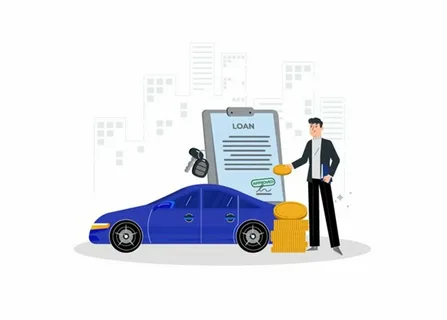
Loan against car interest rate is the cost charged when you borrow money by using your car as security. The lender does not look only at the vehicle. It studies your repayment ability, credit record, income flow, car value, age of the vehicle, ownership documents, and internal policy. The final rate can differ from one borrower to another.
This product can be useful when you need funds but do not want to sell the car. However, because the car supports the loan, missed payments can put the vehicle at risk. Before applying, understand what shapes the rate and how you can improve your chances of a better offer.
Credit history plays a major role
Lenders check your credit report to see how you handled earlier loans and credit cards. On-time payments, low overdue history, and controlled debt usage can support a better rate. Missed EMIs, written-off accounts, settlements, or frequent recent enquiries can make the lender cautious.
Check your report before applying. If an old closed loan still appears active or a wrong overdue amount is visible, raise a dispute with the bureau. A clean report can strengthen the application and reduce avoidable questions during assessment.
Income stability affects pricing
The lender wants to know whether you can repay the loan without stress. Salaried borrowers are usually assessed through salary slips, bank statements, employer details, and existing EMIs. Self-employed borrowers may need income-tax returns, business proof, current account statements, GST details where applicable, and cash-flow records.
Stable income can support better pricing because it lowers repayment risk. Irregular deposits, unexplained cash movement, or high existing obligations may lead to a higher rate or lower loan amount. Share accurate income documents rather than hoping the car value alone will carry the file.
Vehicle value and age matter
The car acts as security, so its market value is important. A newer, popular model with good condition, valid insurance, clean ownership, and steady resale demand may help the lender feel more comfortable. An old car, accident-repaired vehicle, discontinued model, or car with very high kilometres may attract stricter terms.
The lender may inspect the car or use valuation data. If the value is lower than expected, the eligible loan amount may reduce. In some cases, the rate can also reflect the perceived risk of the asset.
Loan amount and tenure influence risk
A higher loan amount against the same car increases lender exposure. A longer tenure keeps the risk open for more time. Both factors can affect the rate. Borrowing the maximum available amount may not always be wise if you do not need it.
Choose a loan amount linked to a clear purpose. Compare different tenures and see how the EMI changes. A shorter tenure may cost less overall, but only choose it if the EMI fits your monthly income. A comfortable repayment plan protects both your budget and your car.
Existing hypothecation can complicate the file
If the car already has an active loan marking, the lender will check whether a new loan against the vehicle is allowed. You may need a no-objection certificate, closure proof, or transfer arrangement. If the earlier loan is not closed, the new lender may refuse or reduce the offer.
Keep RC, insurance, pollution certificate, loan closure letter, and hypothecation removal proof ready where applicable. Clean ownership records improve trust. Confusion around existing lender interest can slow the application and weaken negotiation.
Relationship and documentation quality help
Some lenders may offer better terms to customers with a strong banking relationship, regular salary credits, stable deposits, or previous clean loan repayment. Even then, documentation matters. Clear KYC, bank statements, income proof, vehicle papers, and photographs make the file easier to process.
Do not submit cropped scans, expired insurance, unclear RC images, or mismatched addresses. Small document issues can create delays and may make the profile appear less reliable than it is.
Compare with other borrowing options
A loan against car may not always be cheaper than every alternative. Compare it with a personal loan, gold loan, business loan, or second hand car loan if your purpose is vehicle-related. Look at rate, fees, tenure, collateral risk, foreclosure rules, and processing time.
If you need money for a short period, check prepayment conditions carefully. A low rate with high closure charges may not suit a short-term need. Match the product to the purpose, not just to the available loan amount.
Prepare the car before valuation
Loan against car interest rate is calculated by combining borrower risk and vehicle risk. Credit history, income stability, existing EMIs, car age, valuation, ownership clarity, loan amount, and tenure all matter. A clean, well-presented vehicle can support a smoother valuation conversation. Remove personal items, keep service bills ready, ensure tyres are inflated, and fix small issues such as broken lights if practical. Do not hide major damage, but present the car responsibly. The lender or valuation partner will still judge the asset independently. Good preparation shows that you maintain the vehicle and can reduce unnecessary doubts during inspection.
Conclusion
Prepare documents, choose a realistic amount, compare full costs, and repay on time. A careful approach can help you access funds without putting your vehicle ownership under unnecessary pressure.