How to Check CIBIL Score With PAN Card and Understand Your Loan Eligibility
Understanding your creditworthiness is crucial when applying for loans or credit cards. Your Credit Information Bureau (India) Limited (CIBIL) score is a key factor that lenders consider while determining your loan eligibility. In this article, we will guide you on how to check your CIBIL score using your PAN card and explain the relationship between your CIBIL score and personal loans.
What is a CIBIL Score?
Your CIBIL score is a three-digit number ranging from 300 to 900, representing your creditworthiness. It reflects your credit history and is calculated based on various factors such as payment history, credit utilization, length of credit history, types of credit, and recent credit inquiries. A higher CIBIL score indicates good credit behavior, making you a more favorable candidate for loans and credit card approvals.
You can check CIBIL score with PAN card online by visiting the official CIBIL website and completing OTP verification using your registered mobile number. Your PAN card helps credit bureaus fetch your credit history and generate your latest CIBIL score.
Why is Your CIBIL Score Important?
Your CIBIL score is a crucial aspect of your financial profile. Here’s why it matters:
- Loan Approval: Lenders rely heavily on your CIBIL score to evaluate your ability to repay. A higher score increases your chances of loan approval.
- Interest Rates: A strong CIBIL score can get you better interest rates. Lenders often offer lower rates to individuals with higher scores.
- Credit Card Offers: A good CIBIL score can also enhance your chances of receiving pre-approved credit card offers with attractive rewards and benefits.
- Higher Loan Amounts: With a strong credit score, you may qualify for higher loan amounts, thus giving you more financial flexibility.
In short, maintaining a healthy CIBIL score is fundamental for your financial health.
How to Check CIBIL Score with PAN Card
Checking your CIBIL score is a straightforward process, especially when using your PAN card. Here’s how you can do it step by step:
Step 1: Visit the CIBIL Website
Go to the official CIBIL website. You can search for “CIBIL” in your web browser, and ensure you are on the official site to avoid phishing.
Step 2: Register or Log In
If you’re a first-time user, you will need to register by providing personal details such as your name, email address, phone number, and PAN card number. If you already have an account, simply log in using your credentials.
Step 3: Fill in Required Details
Fill in the required details as prompted, including:
- Personal Information: Enter your name, date of birth, and address.
- Identification: Your PAN card number will be necessary. Make sure to double-check the details for accuracy.
Step 4: Choose the Type of CIBIL Report
You will find options for obtaining a CIBIL score or a CIBIL report. If you need a detailed analysis of your credit history, opt for the CIBIL report. Otherwise, simply choose to view your CIBIL score.
Step 5: Verify Your Identity
CIBIL may ask you to answer security questions to verify your identity. Make sure you remember the information associated with your credit accounts.
Step 6: Access Your CIBIL Score
Once you have verified your identity, you will be granted access to your CIBIL score. You can currently view it for free once a year or opt for instant payment for additional accesses.
Step 7: Analyze the Report
After checking your CIBIL score, take time to analyze the report. Review your credit accounts, payment history, and any outstanding debts or discrepancies that may negatively impact your score.
Understanding Your Loan Eligibility Based on CIBIL Score
Now that you know how to check your CIBIL score, it’s vital to understand what it means for your loan eligibility. Here is how your CIBIL score influences your chances of getting a personal loan:
CIBIL Score Ranges and Their Impact
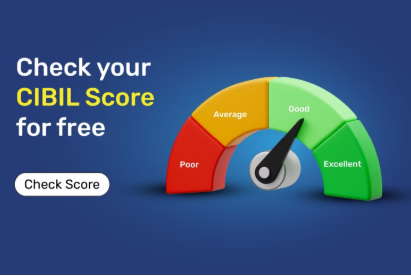
300 to 549
This score is considered poor. Lenders are likely to reject your loan applications or offer loans at substantially higher interest rates.
550 to 649
A fair score, but still risky for lenders. You might get a loan, but at higher interest rates and reduced amounts.
650 to 749
This range is deemed good. Borrowers with a score in this range are more likely to receive loan approvals with reasonable interest rates.
750 to 900
Excellent. Borrowers with scores in this range are generally approved for loans with favorable terms, including better interest rates and higher limits.
Factors Influencing Loan Eligibility
1. Credit History
A longer history of repaying debts shows reliability and increases your eligibility.
2. Credit Utilization Ratio
Keeping your credit card balances low relative to your total credit limit is crucial. A ratio below 30% is considered healthy.
3. Existing Debts
If you have multiple outstanding loans, it may negatively impact your eligibility for additional loans.
4. Income Stability
Lenders also consider your income and employment status, ensuring that you have a stable income to cover monthly repayments.
5. Loan Amount vs. Salary
Lenders generally look for a debt-to-income ratio of less than 40%, meaning your monthly debt obligations should not exceed 40% of your total income.
A personal loan on CIBIL score is offered based on your credit history and repayment behavior. A higher CIBIL score can improve your chances of approval and may help you get better loan terms and lower interest rates.
Tips to Improve Your CIBIL Score
If you find that your CIBIL score is lower than desired, consider the following tips to improve it:
1. Timely Payments
Pay all of your credit card dues and EMIs on time to build a positive repayment record.
2. Limit Credit Utilization
Aim to use less than 30% of your total credit limit to help improve your credit score.
3. Diversify Credit Types
Having a mix of secured and unsecured loans can help improve your score as long as you manage them well.
4. Avoid Frequent Credit Checks
Multiple loan applications within a short period can lower your score due to hard inquiries.
5. Request a Credit Limit Increase
This can help lower your credit utilization ratio.
Conclusion
Checking your CIBIL score with your PAN card is an essential step in understanding your financial health, particularly when applying for personal loans. Your CIBIL score significantly influences your loan eligibility and the terms you may receive from lenders. By following the steps outlined above and understanding the factors that impact your score, you can better prepare yourself for future credit applications. Remember to actively manage your CIBIL score and credit behavior to ensure you secure the best financial opportunities available to you.