Lessons Learned From Recycling a Written-Off Vehicle
- By freyaparker
- July 1, 2026
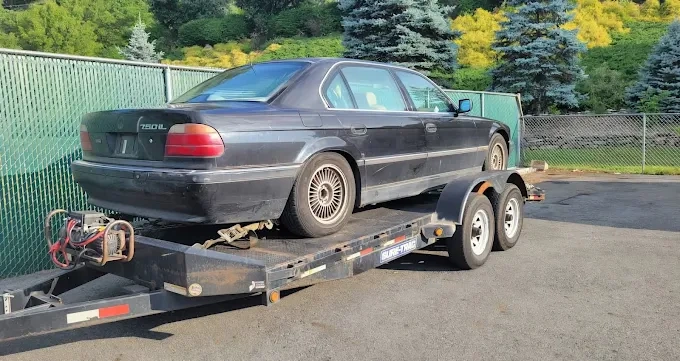
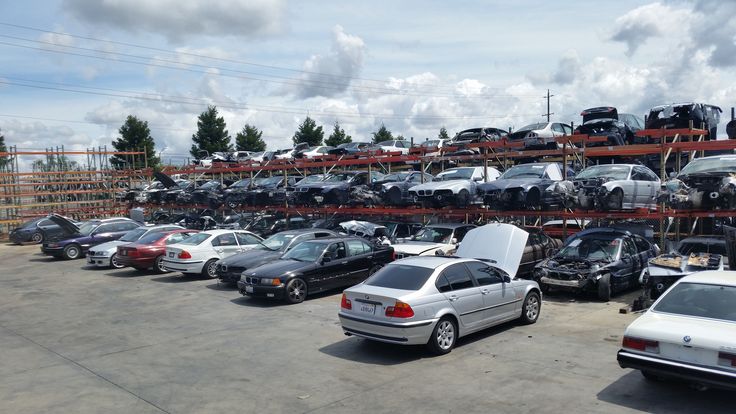
A written-off vehicle often feels like the end of the road. Many people think the only thing left to do is leave it sitting in the driveway or send it to the nearest scrapyard without much thought. Yet, recycling a written-off vehicle can teach many useful lessons. It shows how much of a damaged car still has a purpose, why careful disposal matters, and how every vehicle can play a part in reducing waste.
Many people only go through this process once or twice in their lives. Because of that, they often do not know what happens after the vehicle leaves their property. Learning about the recycling process can help people make better choices when dealing with damaged cars.
What Does It Mean When a Vehicle Is Written Off?
A written-off vehicle is one that has suffered damage serious enough that repairing it is not practical or does not make financial sense. This damage can happen after a road crash, flooding, fire, hail, or another major event.
Some written-off vehicles still have many working parts. Others may have severe damage but still contain materials that can be recovered and used again. Even when a car cannot return to the road, many of its components still have a purpose.
Understanding this helps people see that a written-off vehicle is not simply rubbish.
Many Parts Still Have a Long Life Ahead
One of the biggest lessons from recycling a written-off vehicle is that many parts remain useful.
Items that are often removed before recycling include:
- Engines
- Gearboxes
- Alternators
- Starter motors
- Doors
- Mirrors
- Headlights
- Wheels
- Radiators
- Seats
- Electronic modules
If these parts are still in working condition, they may be cleaned, checked, and used in another vehicle.
This reduces the need to manufacture replacement parts from raw materials.
Metal Can Be Recycled Again and Again
A large part of every vehicle is made from metal. Steel and aluminium can both be recycled many times without losing much of their quality.
After usable parts are removed, the remaining vehicle body is crushed and sent for metal processing. The metal is melted and prepared for new products.
Recycled steel can be used in many industries, including vehicle manufacturing, construction, and household goods.
According to industry estimates, steel remains one of the most recycled materials in the world.
Every Vehicle Contains Materials That Need Careful Handling
Many people are surprised to learn that a written-off vehicle contains several materials that should never be left to leak into the environment.
These include:
- Engine oil
- Brake fluid
- Coolant
- Transmission fluid
- Fuel
- Air conditioning gases
- Battery acid
These substances must be removed before the vehicle is crushed.
If they enter soil or waterways, they may affect plants, animals, and water quality. Careful handling reduces this risk and keeps recycling sites safer.
Learn more about responsible vehicle disposal and what happens during the recycling process at https://www.carwreckersadelaide.com/scrap-car-removals/
Tyres Still Have Several Uses
Tyres are another part that often continues serving a purpose.
If they remain in good condition, they may be fitted to another vehicle.
If they cannot be used on the road, they may be processed into other products such as:
- Playground surfaces
- Sports grounds
- Road materials
- Industrial flooring
This keeps large numbers of tyres out of landfill each year.
Recycling Reduces the Need for Raw Materials
Making new vehicle parts requires iron ore, aluminium, copper, rubber, and many other raw materials.
Mining and processing these resources require large amounts of energy.
When existing materials are recovered from written-off vehicles, fewer new resources are needed. This helps reduce the demand for mining and manufacturing.
Although recycling alone cannot remove the need for new materials, it plays an important role in lowering resource use.
Every Vehicle Has More Than Scrap Metal
Many people think only the metal matters during recycling.
In reality, many other materials are recovered, including:
- Plastic
- Glass
- Copper wiring
- Rubber
- Aluminium
- Lead from batteries
These materials can be processed into new products used across many industries.
This shows that almost every part of a vehicle has some form of future use.
Good Records Make the Process Smoother
Another lesson is the importance of keeping vehicle documents organised.
Having ownership records ready can help during the recycling process.
These may include:
- Registration details
- Proof of ownership
- Personal identification
Having these documents available can help avoid delays when arranging collection or completing ownership changes where required.
Vehicle Recycling Supports Local Industry
Vehicle recycling is more than simply removing unwanted cars.
It supports people working in:
- Parts recovery
- Metal processing
- Transport
- Manufacturing
- Waste management
Recovered materials continue moving through different industries before becoming new products.
This creates ongoing demand for recycling facilities and related businesses.
Some Parts Cannot Be Reused
Not everything removed from a written-off vehicle can be used again.
Parts with severe damage, heavy corrosion, or major wear often reach the end of their working life.
These items are separated and processed according to their material type whenever possible.
This careful sorting helps reduce unnecessary waste.
Batteries Need Special Attention
Vehicle batteries contain lead and chemicals that should never be placed in general rubbish.
During recycling, batteries are removed before the vehicle is processed.
Many battery materials can be recovered and used in new batteries or other products.
Handling batteries correctly also helps prevent harmful substances from entering the environment.
Airbags Must Be Managed Carefully
Many written-off vehicles still contain airbags that have not deployed.
These safety systems require careful handling before dismantling begins.
Workers follow specific procedures when removing or disabling these components.
This protects people involved in the recycling process.
Recycling Helps Keep Landfill Smaller
Vehicles take up a large amount of space.
Leaving damaged cars in landfill means valuable materials are lost.
When vehicles are recycled, much of their weight is recovered instead of being buried.
This reduces landfill use and allows materials to remain part of the production cycle.
Choosing the Right Disposal Method Matters
One important lesson is that how a vehicle is disposed of matters just as much as deciding to remove it.
A vehicle left sitting in a backyard may slowly leak fluids and continue to deteriorate.
Sending it through a proper recycling process allows useful materials to be recovered while reducing unnecessary waste.
Making this choice helps both vehicle owners and the wider community.
Looking Beyond the Damage
It is natural to focus on the damage after a serious crash.
Yet recycling teaches people to look beyond what can no longer be repaired.
A damaged body does not mean every component has reached the end of its life.
Many valuable materials and working parts still remain inside the vehicle.
This change in thinking helps people see written-off vehicles from a different point of view.
A Practical Step After a Vehicle Is Written Off
After deciding that a written-off vehicle will not return to the road, arranging its removal through a company that handles recycling can help move the process forward. For people looking for cash for cars Adelaide, Car Wreckers Adelaide collects unwanted vehicles and directs them into the recycling process where usable parts are removed and recyclable materials are recovered. This gives owners a practical way to clear unwanted vehicles while helping keep materials in use instead of leaving them unused or heading to landfill.
Recycling Is Becoming More Important
Modern vehicles contain more electronics and different materials than older models.
As vehicle design changes, recycling continues to develop so these materials can also be recovered where possible.
This helps reduce waste while making better use of resources already available.
As more vehicles reach the end of their working life each year, recycling will continue to play an important role across Australia.
Final Thoughts
Recycling a written-off vehicle teaches many valuable lessons. It shows that damaged vehicles still contain useful materials, working parts, and recyclable metals. It also highlights the importance of handling fluids, batteries, and other components with care before processing begins.
Many people only see a damaged car as something that has reached the end of its life. The recycling process tells a different story. Much of the vehicle can continue serving a purpose through recovered materials and reusable parts. This reduces waste, supports local industry, and keeps useful resources in circulation rather than leaving them unused.