Choosing the Right Building Materials for a Durable and Energy-Efficient Home
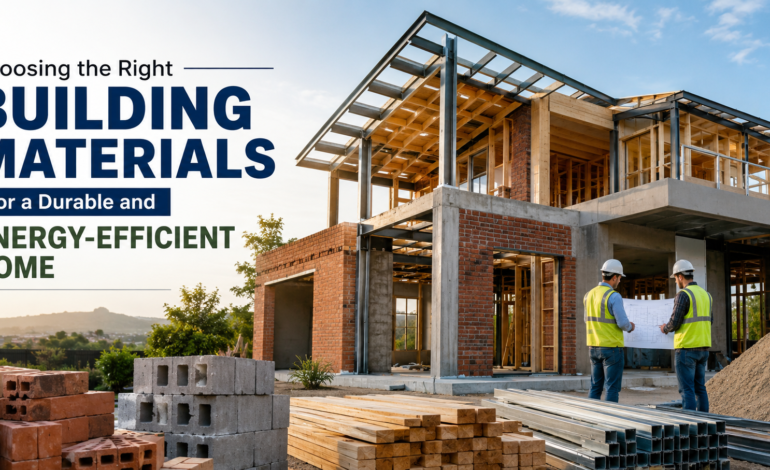
Building a home is one of the most significant investments a person can make. While design, layout, and aesthetics often receive the most attention, the choice of building materials plays an equally important role in determining a home’s durability, comfort, energy efficiency, and long-term maintenance costs.
Modern homeowners are increasingly looking for materials that not only enhance the appearance of their homes but also improve sustainability and performance. Whether you are planning a new construction project or renovating an existing property, understanding the strengths and weaknesses of different building materials can help you make informed decisions.
Why Building Material Selection Matters
The materials used in a home’s construction directly affect:
- Structural integrity
- Energy efficiency
- Indoor comfort
- Maintenance requirements
- Environmental impact
- Property value
Choosing quality materials from the start can reduce future repair costs and extend the lifespan of the building. Additionally, energy-efficient materials can lower utility bills and contribute to a more sustainable living environment.
Concrete: The Foundation of Modern Construction
Concrete remains one of the most widely used building materials worldwide. Its strength, versatility, and durability make it suitable for foundations, walls, driveways, and structural components.
Benefits of Concrete
- Excellent load-bearing capacity
- Fire resistance
- Low maintenance
- Long lifespan
- Thermal mass properties that help regulate indoor temperatures
Modern concrete mixes can also incorporate recycled materials, making them a more environmentally conscious option than traditional formulations.
Brick: A Timeless Building Material
Brick has been a trusted construction material for centuries. Known for its classic appearance and exceptional durability, brick continues to be a preferred choice for residential construction.
Advantages of Brick Construction
- Strong resistance to weather conditions
- Excellent thermal performance
- Fire-resistant properties
- Minimal maintenance requirements
- Long-lasting aesthetic appeal
Although brick construction may have higher upfront costs, its longevity often delivers excellent value over time.
Timber: Sustainable and Versatile
Timber remains a popular material for framing, flooring, and interior finishes. Advances in engineered wood products have improved strength and stability while maintaining timber’s natural appeal.
Why Homeowners Choose Timber
- Renewable resource when responsibly sourced
- Faster construction timelines
- Natural insulation properties
- Warm and attractive appearance
- Lower embodied carbon compared to some traditional materials
Proper treatment and maintenance are essential to protect timber from moisture, pests, and environmental damage.
Steel: Strength and Precision
Steel is increasingly being used in residential construction due to its exceptional strength-to-weight ratio and resistance to common structural issues.
Benefits of Steel Framing
- Resistant to termites and pests
- Non-combustible
- Consistent quality and dimensions
- Suitable for modern architectural designs
- Reduced risk of warping and shrinking
Steel-framed homes can be particularly beneficial in regions with challenging weather conditions.
Energy-Efficient Materials for Modern Homes
As energy costs continue to rise, homeowners are placing greater emphasis on energy-efficient construction materials.
Insulated Concrete Forms (ICFs)
ICFs combine concrete strength with high-performance insulation. These systems help maintain stable indoor temperatures and reduce heating and cooling demands.
Double-Glazed Windows
Quality windows play a major role in a home’s energy performance. Double glazing minimizes heat transfer while improving indoor comfort and reducing noise.
Reflective Roofing Materials
Reflective roofing systems help reduce heat absorption, making homes more comfortable during warmer months and lowering cooling costs.
Sustainability in Building Material Selection
Sustainability is becoming a major consideration for homeowners and builders alike. Eco-friendly building materials can help reduce environmental impact while supporting healthier living environments.
Popular sustainable materials include:
- Recycled steel
- Engineered timber
- Reclaimed wood
- Bamboo products
- Recycled concrete aggregates
- Low-VOC finishes and paints
When evaluating sustainable options, it is important to consider the entire lifecycle of the material, including sourcing, manufacturing, transportation, and disposal.
Matching Materials to Climate Conditions
Climate should always influence material selection. Materials that perform well in one region may not be ideal in another.
Hot Climate Considerations
- Reflective roofing systems
- High-performance insulation
- Thermal mass materials such as concrete and brick
- Energy-efficient windows
Cold Climate Considerations
- Enhanced insulation systems
- Triple-glazed windows
- Airtight construction methods
- Moisture-resistant materials
Selecting climate-appropriate materials can significantly improve comfort and reduce long-term energy expenses.
The Role of Professional Builders
Material selection often requires balancing performance, aesthetics, budget, and local building regulations. Experienced construction professionals can help homeowners evaluate the best options for their specific project.
Many homeowners working with the best custom home builders Adelaide has to offer find that professional guidance simplifies the decision-making process and ensures materials are selected based on both current needs and long-term value. Builders with local expertise can also recommend products that perform well under regional environmental conditions.
Balancing Cost and Long-Term Value
The cheapest material is not always the most cost-effective option. Homeowners should evaluate:
- Initial purchase cost
- Installation expenses
- Maintenance requirements
- Energy savings
- Expected lifespan
- Resale value impact
Investing in quality materials often results in lower ownership costs over the life of the home.
Final Thoughts
The success of any residential construction project depends heavily on the materials chosen during the planning stage. Concrete, brick, timber, steel, and modern energy-efficient products each offer unique advantages that can contribute to a home’s durability, comfort, and sustainability.
By carefully evaluating performance, maintenance requirements, environmental impact, and long-term value, homeowners can make informed decisions that support both their lifestyle and financial goals. Whether building a new home or undertaking a major renovation, selecting the right materials today can deliver benefits for decades to come.