What Makes Cushion Cut Engagement Rings a Timeless Choice for Your Proposal?
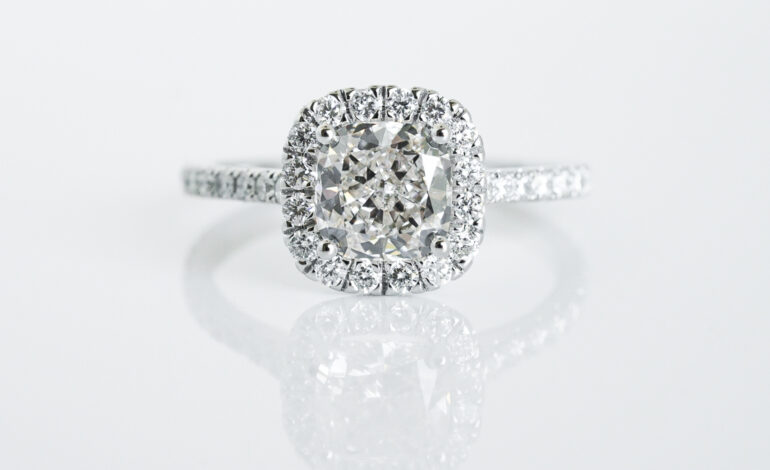
Choosing an engagement ring is a personal decision, especially when you want something that feels romantic, elegant, and distinctive. Cushion cut engagement rings have become a popular choice for couples who appreciate a classic look with a softer, more contemporary appearance. Their rounded corners, square or rectangular outline, and brilliant sparkle give them a graceful character that works beautifully across different jewelry styles.
The cushion cut has been admired for generations, yet it continues to feel relevant in modern engagement ring designs. Its pillow-like shape creates a softer appearance than sharper square cuts, while carefully crafted facets can produce impressive brilliance. Whether you prefer a vintage-inspired setting or a clean modern design, a cushion cut diamond can be adapted to suit your personal style.
What Is a Cushion Cut Diamond?
A cushion cut diamond is typically square or rectangular with rounded corners and larger facets designed to enhance its visual appeal. The shape takes inspiration from older diamond cuts but has evolved significantly with modern cutting techniques.
Traditionally, cushion-shaped diamonds were associated with antique jewelry because their softer edges complemented the designs of earlier periods. Today, they are available in a wide range of proportions, facet patterns, and settings.
Some cushion cuts appear almost square, while others have a more elongated rectangular appearance. This variation allows buyers to select a shape that works well with their preferences and the overall design of the ring.
Key characteristics include:
- Rounded corners instead of sharp edges
- Square or rectangular proportions
- Strong visual presence
- Romantic and soft appearance
- Compatibility with vintage and modern settings
- Different facet patterns and proportions
Why Are Cushion Cut Engagement Rings So Popular?
The appeal of cushion cut engagement rings comes from their ability to combine traditional elegance with a distinctive silhouette. They are recognizable without being as common as some of the most frequently selected diamond shapes.
One of their biggest advantages is versatility. A cushion cut diamond can be surrounded by a halo of smaller diamonds for a glamorous appearance or placed in a simple solitaire setting for a more understated look.
The rounded corners also give the diamond a softer visual character. This can make the ring feel romantic and refined rather than overly geometric.
Another factor is the way cushion cuts can display light. Depending on the specific cut, a cushion diamond may produce broad flashes of light or a more crushed-ice style sparkle. The final appearance depends heavily on the diamond’s proportions, facet arrangement, and overall quality.
Are Cushion Cut Diamonds Good for Engagement Rings?
Yes, cushion cut diamonds can be an excellent choice for an engagement ring. Their rounded corners are naturally appealing, and they can work with many different ring designs.
However, buyers should look beyond the shape alone. Two cushion cut diamonds with similar carat weights can look noticeably different because their proportions, depth, faceting, and length-to-width ratios may vary.
When comparing diamonds, consider:
- Cut quality: This influences how effectively the diamond interacts with light.
- Length-to-width ratio: This determines whether the stone looks more square or rectangular.
- Clarity: Cushion cuts can sometimes reveal inclusions depending on their facet pattern.
- Color: The shape may show some warmth, particularly in larger stones.
- Carat weight: Carat affects size, but it should not be considered the only indicator of visual impact.
Professional advice should be considered when two stones appear similar on paper but look different in photographs or videos.
What Shape of Cushion Cut Should You Choose?
Cushion cuts are not limited to one exact appearance. Their proportions can create noticeably different visual effects.
Square Cushion Cut
A square cushion cut has a length-to-width ratio close to 1:1. It creates a balanced and traditional appearance and works particularly well in solitaire, halo, and three-stone settings.
This option may appeal to buyers who want the recognizable cushion silhouette without an elongated appearance.
Elongated Cushion Cut
An elongated cushion has a rectangular appearance while retaining the characteristic rounded corners. It can create an elegant, elongated look on the finger.
The elongated shape may also provide a visually larger surface area from certain viewing angles, although actual appearance will depend on the diamond’s dimensions.
Modified Cushion Cut
Modified cushions feature different facet arrangements that can affect the way light is reflected. Some produce distinctive patterns and intense flashes, while others create a softer, more diffused sparkle.
Because visual performance can vary considerably, the stone should ideally be viewed through high-quality photographs or video before purchase.
Which Setting Looks Best With a Cushion Cut?
The setting can dramatically change the personality of a cushion cut engagement ring. Several styles work especially well.
Solitaire Setting
A solitaire places the focus almost entirely on the center diamond. This is a strong option for someone who prefers simplicity and timeless elegance.
The cushion shape becomes the main visual feature, allowing its rounded corners and proportions to stand out.
Halo Setting
A halo surrounds the center stone with smaller diamonds. This can increase the overall visual presence of the ring and create a more glamorous appearance.
A cushion center stone paired with a cushion-shaped or contrasting halo can produce a cohesive and sophisticated design.
Three-Stone Setting
Three-stone rings feature a central diamond accompanied by two side stones. This design offers additional symbolism and creates a more substantial appearance.
The center cushion can be paired with various side-stone shapes depending on the desired aesthetic.
Pavé Setting
Pavé bands feature multiple small diamonds set closely together along the shank. The additional sparkle can complement the center cushion diamond without changing its basic silhouette.
This style is often selected by buyers who want a ring that appears bright and detailed from multiple angles.
Which Metal Works Best With a Cushion Cut?
The metal should complement both the diamond and the wearer’s personal style.
White gold and platinum provide a bright, contemporary appearance. Their neutral tones can create a clean contrast around the center stone.
Yellow gold adds warmth and gives the ring a more traditional or vintage-inspired character. The contrast between a warm metal and a bright diamond can also make the center stone visually prominent.
Rose gold offers a softer, romantic appearance. Its pinkish tone can work particularly well with vintage-inspired cushion designs.
There is no single metal that is universally best. The right choice depends on personal taste, skin tone preferences, existing jewelry, and the overall design of the ring.
How Can You Choose the Right Cushion Cut Diamond?
Buying a diamond should involve more than selecting a preferred shape. A well-balanced evaluation can help you find a stone that offers strong visual appeal within your budget.
Examine the Proportions
Look at the diamond’s length-to-width ratio to determine whether you prefer a square or elongated appearance.
Check the Diamond From Multiple Angles
A diamond may look impressive from one angle but less appealing from another. When possible, examine clear images, videos, or the stone in person.
Pay Attention to Sparkle
Light performance should be evaluated carefully. Brightness, fire, and scintillation can contribute significantly to how attractive a diamond looks.
Compare Similar Stones
Don’t assume that two diamonds with the same carat weight will look identical. Comparing several options can reveal differences in size, shape, and visual performance.
Consider the Setting Early
The setting affects the final appearance of the ring. A cushion diamond selected for a halo may need different proportions from one intended for a solitaire.
Do Cushion Cut Diamonds Look Bigger?
Cushion cuts can have a substantial face-up appearance, but their visual size depends on the diamond’s actual dimensions rather than carat weight alone.
Two diamonds with the same carat weight may have different measurements because one may be deeper than the other. As a result, the stone with greater visible surface dimensions can appear larger when viewed from above.
For buyers who want maximum visual coverage, comparing measurements can therefore be useful. However, a larger face-up appearance should not automatically be prioritized over cut quality.
A diamond that looks slightly smaller but performs beautifully in light can be more appealing than a larger stone with weaker visual performance.
How Do You Style a Cushion Cut Engagement Ring?
Cushion cut rings are versatile enough to complement different personal styles.
For a classic appearance, a solitaire cushion diamond paired with a simple metal band can create a refined look. For something more glamorous, a halo design with pavé diamonds can add substantial sparkle.
Vintage-inspired designs can feature milgrain details, intricate shoulders, or warm yellow gold. Modern designs can use clean lines, hidden halos, bezel accents, or minimalist bands.
The ring can also be paired with a wedding band that follows the contours of the engagement ring. In some designs, a curved or contoured band may be used to sit neatly around the center stone.
Are Cushion Cut Engagement Rings Suitable for Everyday Wear?
An engagement ring is generally expected to be worn frequently, so durability should be considered alongside appearance.
Cushion cuts have rounded corners, which can provide some practical advantages compared with shapes featuring sharp corners. However, the diamond is still susceptible to damage if it receives a strong impact.
The setting also plays an important role in protecting the stone. Prongs should be properly positioned and maintained, while the ring should be inspected periodically for signs of wear.
Good care practices include:
- Remove the ring during activities that may cause heavy impact.
- Keep the diamond clean so its facets can reflect light properly.
- Have the setting inspected periodically.
- Store the ring separately to reduce scratching.
- Avoid exposing the ring unnecessarily to harsh chemicals.
Professional cleaning and inspection can also be arranged when needed.
What Makes a Cushion Cut Ring Feel Personal?
Beyond the diamond itself, personalization can make the engagement ring more meaningful. Engraving a date, initials, or a short message inside the band can add sentimental value without changing the exterior design.
The choice of metal, setting, side stones, and band style can also reflect the wearer’s personality.
Some couples prefer understated designs that focus on the center stone, while others choose elaborate settings with additional diamonds. Neither approach is inherently better. The most meaningful ring is usually the one that reflects the person who will wear it.
Final Thought
Cushion cut engagement rings offer a compelling balance between classic beauty, romantic proportions, and modern versatility. Their rounded corners and distinctive shape allow them to work beautifully in solitaire, halo, three-stone, pavé, and vintage-inspired designs. When choosing one, attention should be given to the diamond’s proportions, cut quality, light performance, setting, and metal rather than focusing on carat weight alone. With careful selection, a cushion cut ring can become a timeless piece that feels personal, elegant, and meaningful for years to come.