Does HydraFacial Treatment Really Deep-Clean Your Skin?
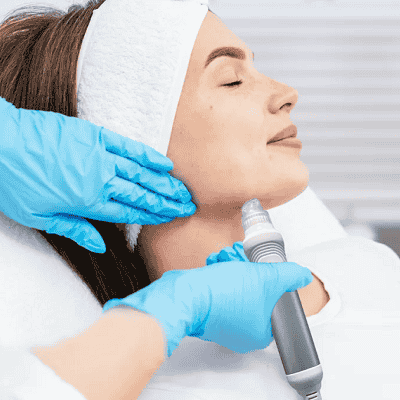
Clear, healthy-looking skin often starts with proper cleansing, but everyday face washing may not remove everything that builds up on the skin. Oil, dead skin cells, makeup residue, environmental pollutants, and other impurities can accumulate on the surface and contribute to a dull or congested appearance. This is where a professional HydraFacial Treatment may offer an additional level of skin cleansing and care.
A HydraFacial Treatment is a non-invasive facial procedure designed to cleanse, exfoliate, extract impurities, and hydrate the skin in a series of coordinated steps. Unlike a traditional facial, which may rely heavily on manual cleansing and extraction, the treatment generally uses a specialized device with a controlled suction and fluid-based system.
But does it really deep-clean the skin? The short answer is that it can provide a thorough surface-level cleansing and help remove some impurities from pores, while also exfoliating and hydrating the skin. However, it should not be viewed as a medical procedure that completely cleans every pore or removes every type of skin problem.
Understanding how the treatment works can help people decide whether it is appropriate for their skin and expectations.
What Is a HydraFacial Treatment?
A HydraFacial Treatment is a multi-step cosmetic facial treatment intended to improve the appearance and feel of the skin. It typically combines cleansing, exfoliation, extraction, and hydration during a single session.
The process is usually performed using a specialized handheld device. Different attachments and solutions may be used during different stages of the treatment. The device moves across the skin while helping loosen surface debris and supporting the removal of impurities.
One of the features that distinguishes a HydraFacial Treatment from some traditional facials is that extraction is generally performed with controlled suction rather than aggressive manual squeezing. This can make the experience more comfortable for many people and may reduce the temptation to manipulate the skin themselves.
The treatment is commonly considered suitable for people who want smoother, fresher-looking skin without significant downtime. It may be used for concerns such as dullness, uneven-looking texture, mild congestion, and dryness.
However, results can vary depending on skin type, existing skin concerns, lifestyle, and the specific treatment protocol used.
How Does HydraFacial Deep-Clean the Skin?
The cleansing effect of a HydraFacial Treatment comes from several stages rather than one single step.
First, the skin is cleansed to remove surface-level oil, makeup, sunscreen residue, and other impurities. Exfoliation then helps loosen dead skin cells from the outermost layer of the skin. This can make the skin feel smoother and allow subsequent products to contact the skin more evenly.
The extraction stage is particularly relevant for people interested in deep cleansing. Controlled suction can help draw out oil, debris, and other material from congested pores. This process is generally gentler than forceful manual extraction, although sensitivity can vary.
The treatment also introduces hydrating ingredients during or after the cleansing and exfoliation process. This means the goal is not simply to remove material from the skin but also to leave the skin feeling hydrated and refreshed.
It is important to understand what “deep-cleaning” means in this context. A HydraFacial Treatment can provide more intensive cleansing and exfoliation than ordinary daily washing, but it does not literally scrub or empty every pore. Pores are natural structures within the skin, and their appearance and contents are influenced by oil production, genetics, hormones, and other factors.
For that reason, claims that any facial treatment can permanently eliminate all pore congestion should be approached cautiously.
What Can a HydraFacial Treatment Remove?
A HydraFacial Treatment may help remove several types of surface buildup and pore debris. These can include dead skin cells, excess surface oil, makeup residue, and some forms of mild congestion.
People with oily or combination skin may particularly appreciate the cleansing and extraction aspects of the procedure. When excess oil and dead cells accumulate, the skin can look dull or feel rough. Exfoliation and extraction may temporarily improve how smooth and clean the skin feels.
The treatment may also make the skin appear more radiant because removing some of the accumulated dead cells can reveal fresher-looking skin underneath.
However, not every type of blemish or pore concern should be treated with aggressive extraction. Deep, inflamed acne, cystic lesions, significant irritation, or certain skin conditions may require professional medical evaluation rather than a cosmetic facial.
Individuals with persistent acne, unexplained redness, painful lesions, or other ongoing skin changes may benefit from discussing their concerns with a qualified healthcare professional.
HydraFacial Treatment vs. Regular Facial Cleansing
Daily cleansing remains one of the most important parts of a skincare routine. A professional HydraFacial Treatment should not be considered a replacement for regular cleansing.
A normal cleanser helps remove everyday buildup from the surface of the skin. Sunscreen, makeup, sweat, oil, and environmental debris can accumulate throughout the day, making consistent cleansing important.
A HydraFacial Treatment, on the other hand, provides a more intensive cosmetic treatment by combining cleansing with exfoliation, extraction, and hydration. Because of this combination, the skin may feel noticeably smoother and look more refreshed immediately after treatment.
The two approaches therefore serve different purposes. Daily cleansing supports ongoing skin hygiene, while a professional facial treatment can provide periodic additional exfoliation and cosmetic care.
People should also avoid over-cleansing or excessively exfoliating their skin in an attempt to achieve a deeper clean. Too much exfoliation can irritate the skin barrier and may lead to dryness, sensitivity, or increased discomfort.
A balanced skincare routine is generally more beneficial than repeatedly pursuing intensive treatments.
What Are the Benefits of HydraFacial Treatment?
A HydraFacial Treatment may offer several cosmetic benefits, depending on the individual’s skin condition and treatment plan.
1. Thorough Surface Cleansing
The treatment can help remove surface impurities and excess oil that ordinary cleansing may not completely address.
2. Exfoliation
By removing accumulated dead skin cells, the treatment can help improve the feel and appearance of uneven or rough skin texture.
3. Pore Congestion Support
Controlled extraction may help reduce some visible congestion, including certain forms of blackhead-like buildup and excess oil.
4. Improved Hydration
Hydrating solutions used during the treatment can leave the skin feeling softer and more moisturized.
5. Temporary Radiance
Many people notice that their complexion appears fresher or brighter following treatment. This can be associated with exfoliation, hydration, and removal of surface buildup.
6. Minimal Downtime for Many People
Because the treatment is generally non-invasive, many individuals can return to normal activities relatively quickly. Temporary redness or sensitivity can still occur, particularly in people with sensitive skin.
The benefits are usually cosmetic and may be temporary. Maintaining results often depends on regular skincare, sun protection, hydration, and addressing underlying skin concerns.
Is HydraFacial Treatment Suitable for Everyone?
Although many people tolerate a HydraFacial Treatment well, it is not automatically appropriate for every person or every skin condition.
People with highly sensitive or irritated skin may experience discomfort from exfoliation or suction. Those with active inflammatory skin conditions, open wounds, infections, severe acne lesions, or certain dermatological conditions may need to postpone treatment or seek medical guidance first.
Anyone using strong exfoliating products, prescription skincare, or treatments that increase skin sensitivity should also discuss their routine with the treatment provider before undergoing a facial procedure.
A proper skin assessment can help determine whether the treatment is appropriate and which intensity or combination of steps may be most suitable.
It is also important for individuals to have realistic expectations. A HydraFacial Treatment can improve the appearance and feel of the skin, but it is not a permanent cure for acne, enlarged pores, hyperpigmentation, or other chronic skin concerns.
For persistent or worsening skin problems, professional medical advice is more appropriate than relying exclusively on cosmetic treatments.
How Often Can a HydraFacial Treatment Be Done?
The ideal frequency depends on skin type, goals, sensitivity, and the treatment protocol. Some people may choose occasional treatments before events or when their complexion looks particularly dull, while others may follow a regular professional skincare schedule.
More frequent treatment is not necessarily better. The skin needs time to maintain and restore its protective barrier, and excessive exfoliation can cause irritation.
A skincare professional can recommend a suitable schedule based on the individual’s skin rather than applying the same frequency to everyone.
Between treatments, consistent home care remains important. Gentle cleansing, appropriate moisturization, and daily broad-spectrum sun protection can help maintain healthier-looking skin.
How to Get the Most From a HydraFacial Treatment
The best results usually come from treating the procedure as part of a broader skincare routine rather than relying on one session.
Before treatment, the skin may need to avoid certain irritating products depending on individual circumstances. After treatment, gentle skincare is generally preferable. Harsh scrubs, unnecessary picking, and excessive exfoliation can undermine the benefits and irritate freshly treated skin.
Sun protection is especially important because exfoliation can temporarily make the skin more sensitive to environmental exposure. Using an appropriate sunscreen and following aftercare instructions can help protect the skin.
Hydration, adequate sleep, a balanced diet, and avoiding unnecessary manipulation of blemishes can also contribute to the overall appearance of the skin.
Most importantly, expectations should remain realistic. A HydraFacial Treatment can be a useful cosmetic option for cleansing, exfoliation, hydration, and temporary improvement in skin appearance, but long-term skin health depends on consistent care and appropriate treatment of underlying conditions.
Frequently Asked Questions
1. Does a HydraFacial Treatment really deep-clean the skin?
A HydraFacial Treatment can provide deeper cosmetic cleansing than ordinary face washing by combining cleansing, exfoliation, and controlled extraction. It can help remove surface debris and some pore congestion, but it does not literally clean every pore or permanently eliminate all buildup.
2. Is a HydraFacial Treatment painful?
Most people describe the procedure as comfortable, although sensations can vary. The device may create a light suction or exfoliating sensation. People with sensitive or irritated skin may experience greater sensitivity.
3. Can a HydraFacial Treatment remove blackheads?
The extraction stage may help remove some blackhead-related congestion and excess oil. However, results vary, and blackheads can return because pore activity and oil production continue over time.
4. How long do HydraFacial results last?
The fresh, smooth, and hydrated appearance may be temporary. How long the visible benefits last depends on factors such as skin type, skincare habits, sun exposure, oil production, and the individual’s underlying skin concerns.
5. Can HydraFacial Treatment help acne?
It may help with certain types of mild congestion by cleansing, exfoliating, and removing some pore debris. However, it should not be considered a standalone treatment for moderate or severe acne. Persistent, painful, or inflamed acne may require a medically guided treatment plan.
6. Can someone use regular skincare products after a HydraFacial Treatment?
Aftercare depends on the individual’s skin and the specific treatment performed. Gentle cleansing and moisturizing are generally preferable immediately afterward, while irritating or highly active products may need to be avoided for a period recommended by the treatment provider.
Final Thoughts
A HydraFacial Treatment can genuinely provide a more intensive cleansing experience than routine face washing because it combines cleansing, exfoliation, controlled extraction, and hydration. For people dealing with surface buildup, mild congestion, dullness, or rough texture, this combination can leave the skin looking fresher and feeling smoother.
Still, “deep-cleaning” should not be interpreted as permanently emptying pores or treating every skin condition. The treatment is primarily a cosmetic procedure, and its effectiveness depends on the individual’s skin, treatment technique, and ongoing skincare habits.
For the best outcome, a HydraFacial Treatment should be viewed as one component of a healthy skincare approach. Gentle daily cleansing, moisturization, sun protection, and appropriate management of underlying skin concerns remain essential for maintaining healthy-looking skin over time.
Read More About HydraFacial Treatment: https://www.friendbookmark.com/blogpost/79810/why-is-hydrafacial-treatment-so-popular