Fire Door Inspection in London Guide to Fire Safety Compliance
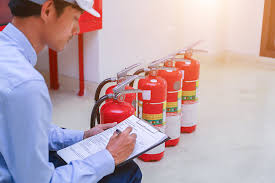
Fire doors are one of the most important passive fire protection measures in any building. They are designed to slow the spread of fire and smoke, protect escape routes, and provide occupants with valuable time to evacuate safely. Regular Fire Door Inspection in London is essential to ensure fire doors remain in good working condition and comply with UK fire safety regulations. Whether you manage an office, apartment building, hotel, school, warehouse, or commercial property, professional fire door inspections help identify defects before they become serious safety risks.
What Is a Fire Door Inspection?
A Fire Door Inspection in London is a detailed assessment carried out by a competent fire safety professional to verify that fire doors are correctly installed, maintained, and capable of performing during a fire.
During the inspection, every component of the fire door is examined to ensure it meets the required fire safety standards.
The inspection covers:
- Door leaf condition
- Door frame
- Hinges
- Intumescent seals
- Smoke seals
- Self-closing device
- Door gaps
- Glazing
- Fire-rated hardware
- Signage
- Overall operation
Any defects or areas of non-compliance are recorded, and recommendations for repairs or replacement are provided.
Why Fire Door Inspections Are Important
Fire doors are designed to compartmentalize a building by slowing the spread of flames and smoke. However, they only perform effectively if they are properly installed and maintained.
Benefits of regular inspections include:
- Improved occupant safety
- Compliance with UK fire safety legislation
- Reduced fire risks
- Protection of escape routes
- Early identification of faults
- Reduced property damage
- Support for insurance requirements
A damaged or poorly maintained fire door may fail during a fire, putting lives at risk.
Legal Requirements for Fire Door Inspections in London
Property owners, employers, landlords, and responsible persons have a legal duty to maintain fire safety measures.
Fire door inspections support compliance with:
- Regulatory Reform (Fire Safety) Order 2005
- Fire Safety (England) Regulations 2022
- Building Regulations
- Relevant British Standards, including BS 8214 for timber fire doors
Regular inspections demonstrate that reasonable steps have been taken to maintain effective fire protection.
Buildings That Need Fire Door Inspections
Fire door inspections are recommended for many types of premises, including:
- Office buildings
- Apartment blocks
- Hotels
- Schools
- Colleges
- Universities
- Hospitals
- Care homes
- Warehouses
- Retail stores
- Restaurants
- Industrial units
- Public buildings
- Mixed-use developments
Each property should have fire doors inspected as part of its overall fire safety management plan.
What Is Checked During a Fire Door Inspection?
A qualified inspector carefully examines every fire door to ensure it functions correctly.
Door Leaf
The inspector checks for:
- Cracks
- Holes
- Warping
- Damage
- Incorrect modifications
The door must remain structurally sound to provide the required fire resistance.
Door Frame
The frame is inspected for:
- Damage
- Secure fixing
- Correct alignment
- Signs of movement
A damaged frame can reduce the effectiveness of the fire door.
Hinges
Fire-rated hinges should:
- Be securely fitted
- Show no signs of wear
- Operate smoothly
- Support the door correctly
Loose or damaged hinges may prevent the door from closing properly.
Intumescent and Smoke Seals
Inspectors verify that seals are:
- Present
- Undamaged
- Correctly fitted
- Continuous around the frame
These seals expand during a fire to block flames and smoke.
Self-Closing Device
Every fire door should close fully without assistance.
Inspectors ensure the closer:
- Operates smoothly
- Closes the door completely
- Is not disconnected
- Is correctly adjusted
Door Gaps
Incorrect gaps around the door can allow smoke and fire to spread.
The inspector measures clearance around the top, sides, and bottom of the door to ensure it is within acceptable tolerances.
Fire-Rated Glass
If the door contains glazing, inspectors check:
- Fire-rated glass
- Secure glazing beads
- No cracks or damage
- Correct installation
Ironmongery
Fire-rated hardware such as:
- Locks
- Handles
- Latches
- Panic bars
- Door viewers
must all be compatible with the fire door.
Signage
Fire door signs should remain visible and legible, reminding occupants to keep doors closed where required.
Common Fire Door Defects
Professional inspections often identify issues such as:
- Missing seals
- Damaged hinges
- Broken closers
- Incorrect door gaps
- Non-compliant glazing
- Warped doors
- Holes from removed hardware
- Worn locks
- Obstructed doors
- Doors wedged open
Addressing these issues promptly helps maintain fire safety.
How Often Should Fire Doors Be Inspected?
Inspection frequency depends on building type and usage.
Many fire safety professionals recommend:
- Routine visual checks by building management
- Formal inspections at least every six months
- More frequent inspections in high-traffic buildings such as hospitals, schools, hotels, and apartment blocks
Fire doors should also be inspected after building alterations or repairs.
Benefits of Professional Fire Door Inspections
Hiring qualified inspectors offers several advantages.
Expert Assessment
Experienced professionals understand current legislation and fire door standards.
Early Problem Detection
Small issues can be identified before they become costly repairs.
Improved Compliance
Professional reports help demonstrate compliance during audits and inspections.
Enhanced Building Safety
Correctly functioning fire doors help protect lives and property during emergencies.
Detailed Reporting
Inspection reports provide clear information on defects, recommended actions, and maintenance priorities.
Fire Door Maintenance
Routine maintenance is essential to keep fire doors working correctly.
Maintenance may include:
- Replacing damaged seals
- Adjusting self-closing devices
- Repairing hinges
- Replacing worn hardware
- Correcting door alignment
- Replacing damaged glazing
- Installing compliant signage
Regular servicing extends the life of fire doors and maintains their performance.
Choosing a Fire Door Inspection Company in London
When selecting a provider, consider:
- Qualified fire safety professionals
- Experience with commercial and residential buildings
- Knowledge of UK fire safety regulations
- Detailed inspection reports
- Repair and maintenance services
- Transparent pricing
- Positive customer reviews
- Fast response times
Working with a trusted fire safety company ensures thorough inspections and reliable advice.
Why Fire Door Inspections Are Essential
Fire doors play a crucial role in protecting escape routes and slowing the spread of fire. Regular inspections help ensure these life-saving systems remain fully operational and compliant with current legislation.
Investing in routine inspections not only protects occupants but also helps property owners avoid costly repairs, legal issues, and potential business disruption.
Professional Fire Door Inspection in London is an essential part of any building’s fire safety strategy. Regular inspections help ensure fire doors function correctly, comply with UK regulations, and provide effective protection during emergencies. Whether you manage a commercial property, residential block, school, hotel, or industrial facility, scheduling routine fire door inspections can improve safety, reduce risk, and give you confidence that your fire protection measures are working as intended.
FAQs
1. Why are fire door inspections important?
Fire door inspections ensure that fire doors are in good condition, operate correctly, and can help slow the spread of fire and smoke during an emergency.
2. How often should fire doors be inspected?
Fire doors should be visually checked regularly and formally inspected at least every six months, with more frequent inspections for high-use buildings.
3. What happens if a fire door fails an inspection?
Any defects will be identified in the inspection report, and repairs or replacements should be completed to restore compliance and safety.
4. Who is responsible for arranging fire door inspections?
The responsible person, building owner, landlord, employer, or property manager is generally responsible for ensuring fire doors are inspected and maintained.
5. Can damaged fire doors be repaired?
Yes. Many issues, such as damaged seals, faulty closers, worn hinges, or hardware defects, can often be repaired by qualified fire door specialists. However, severely damaged or non-compliant doors may need to be replaced.