
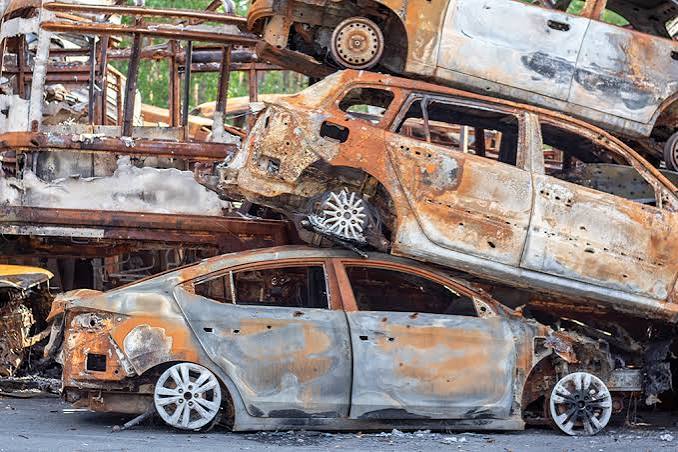
Old and damaged vehicles can take up valuable space and create environmental problems when they are not disposed of properly. Whether a car has been involved in an accident, failed its MOT, developed serious mechanical problems, or simply reached the end of its useful life, recycling is an effective way to manage it responsibly.
Car Breakers play an important role in this process by dismantling unwanted vehicles, recovering reusable parts, and recycling materials that would otherwise go to waste. Instead of allowing an old car to sit unused or sending the entire vehicle to landfill, professional vehicle dismantlers help give valuable components and materials a second life.
Understanding how car recycling works can help vehicle owners make better decisions when it is time to get rid of an old or damaged car.
What Are Car Breakers?
Car breakers are businesses that dismantle old, damaged, unwanted, or end-of-life vehicles to recover usable spare parts and recyclable materials. They are also commonly known as vehicle dismantlers or auto recyclers.
When a vehicle arrives at a breaking facility, it is inspected to determine which components can be reused, refurbished, or recycled. Parts such as engines, gearboxes, alternators, doors, mirrors, wheels, and electronic components may still be in good condition, even if the vehicle itself is no longer roadworthy.
These recovered parts can be sold to motorists, garages, and repair businesses looking for affordable replacement components.
Professional vehicle recycling also helps reduce waste by recovering metals, plastics, glass, and other materials that can be processed for future use.
Step 1: Collecting Old and Damaged Vehicles
The recycling process usually begins when a vehicle owner decides to dispose of an unwanted car. The vehicle might be damaged following an accident, have expensive mechanical faults, or simply be too old to justify further repairs.
Depending on the service offered, a recycling business may arrange vehicle collection from the owner’s home, a garage, a workplace, or another agreed location. Some businesses also accept vehicles that can still be driven to their premises.
Before collection, the owner should provide accurate information about the vehicle, including its make, model, registration details, condition, and any major damage.
For vehicles being scrapped in the UK, owners should choose an authorised treatment facility (ATF) where required to ensure the vehicle is processed according to applicable environmental and legal requirements.
Step 2: Inspecting the Vehicle
Once the vehicle reaches the recycling facility, trained staff inspect its overall condition. This assessment helps them identify valuable components and determine the safest way to dismantle the car.
The inspection may include checking the engine, transmission, suspension, braking system, wheels, body panels, interior fittings, and electrical equipment.
A vehicle that has suffered collision damage may still contain many undamaged parts. For example, a damaged front bumper does not necessarily mean that the rear lights, seats, windows, or gearbox are unusable.
The condition of individual components determines whether they can be sold as used spare parts or should be sent for material recycling.
Step 3: Removing Hazardous Materials
Before dismantling can continue, the vehicle must be made safe. Cars contain fluids and other materials that can harm people or contaminate the environment if they are released carelessly.
Depending on the vehicle, these materials may include:
- Engine oil and transmission fluid
- Petrol or diesel fuel
- Coolant and brake fluid
- Air-conditioning refrigerants
- Batteries and other potentially hazardous components
Specialist equipment and appropriate handling procedures are used to remove and manage these substances safely.
Modern vehicles may also contain high-voltage batteries and electrical systems. Hybrid and electric vehicles require suitable procedures and trained personnel to manage these components safely.
Proper handling of hazardous materials is one of the most important stages of responsible vehicle recycling because it helps prevent soil and water pollution.
Step 4: Removing Reusable Spare Parts
After the vehicle has been made safe, dismantlers remove components that remain suitable for reuse.
Commonly recovered parts include engines, gearboxes, starter motors, alternators, headlights, mirrors, doors, seats, wheels, and selected electronic components.
Each part should be assessed for its condition and suitability before being offered for resale. Some components may require cleaning, testing, or refurbishment before they can be used again.
Reusable spare parts provide an affordable alternative to buying brand-new replacements. This can be particularly useful for owners of older vehicles, where new parts may be expensive or difficult to find.
However, not every component can or should be reused. Safety-critical parts require particular care, and damaged or unsuitable components should not be sold as serviceable replacements.
Step 5: Sorting and Recycling Materials
Once reusable components have been removed, the remaining vehicle body is prepared for further processing.
Cars contain several recyclable materials, including steel, aluminium, copper, glass, and certain plastics. These materials are separated using appropriate dismantling, sorting, and processing methods.
Steel is one of the most valuable materials recovered from many end-of-life vehicles. It can be processed and used in the production of new metal products. Aluminium from selected components can also be recovered and recycled.
Copper from wiring and electrical equipment may be separated for metal recovery, while suitable plastics and glass can be directed towards appropriate recycling streams.
The exact materials recovered depend on the vehicle’s design, the condition of its components, and the recycling technology available at the facility.
By recovering these materials, recyclers reduce the amount of waste requiring disposal and help conserve resources that would otherwise be needed to manufacture products from newly extracted raw materials.
Step 6: Crushing and Processing the Vehicle Shell
After useful parts and hazardous materials have been removed, the remaining vehicle shell may be sent for shredding or other mechanical processing.
A vehicle shredder breaks the remaining body into smaller pieces. Mechanical separation systems can then help distinguish ferrous metals, non-ferrous metals, and other materials.
Recovered metals are sent to appropriate recycling operations, where they can be processed into materials for manufacturing.
The remaining residue may contain mixed plastics, textiles, rubber, and other materials that are more difficult to recover. Depending on local infrastructure and the available technology, some of these materials may undergo additional treatment, while others may require disposal.
This final stage ensures that the vehicle is processed as thoroughly as practical rather than treating the entire car as ordinary waste.
Environmental Benefits of Car Recycling
Recycling old vehicles offers several environmental advantages when it is carried out through appropriate facilities.
Reduces Waste
Cars contain many materials that can be recovered instead of being sent directly to landfill. Reusing parts and recycling metals helps reduce the volume of waste generated by end-of-life vehicles.
Conserves Natural Resources
Recovering steel, aluminium, and copper reduces demand for newly extracted raw materials. Recycling can also reduce the energy required for certain manufacturing processes compared with producing materials from virgin resources.
Helps Prevent Pollution
Correct removal of fuel, oils, coolants, refrigerants, and batteries reduces the risk of environmental contamination. Choosing a suitable recycling facility helps ensure these materials are handled responsibly.
Supports the Reuse Economy
Used parts allow existing vehicles to remain operational for longer. This can reduce the need to manufacture replacement components, although the overall environmental benefit depends on the part, its condition, and the transport and processing involved.
How Car Breakers Help Vehicle Owners Save Money
Vehicle recycling is not only beneficial for the environment. It can also help motorists and repair businesses manage vehicle maintenance costs.
Used components recovered from suitable vehicles may cost less than new replacement parts. This gives vehicle owners another option when repairing an older car or restoring a model for which new components are expensive.
Car breakers can also help people locate parts that are no longer widely available through traditional retailers. Depending on the business, customers may be able to search by vehicle registration, make, model, engine type, or part number.
When purchasing used components, it is important to confirm compatibility, check the condition of the part, understand any warranty offered, and ask about the seller’s return policy.
Vehicle owners disposing of unwanted cars may also receive payment depending on the vehicle’s condition, weight, demand for reusable parts, and current scrap-metal prices. Collection costs and other terms can vary between businesses, so it is worth requesting a clear quotation.
What Happens to Cars That Are Too Damaged to Repair?
A vehicle that has suffered extensive collision car breakers north west damage may no longer be economical or safe to repair. However, this does not automatically mean every part has become worthless.
Dismantlers assess which components remain usable. An undamaged gearbox, wheel, interior fitting, or electronic component may still have value if it passes the relevant checks.
Parts that cannot be reused may still contain recyclable materials. The vehicle’s metal structure, for example, can often be processed even when the bodywork is severely damaged.
Vehicles with extensive fire damage, flooding, or contamination may require additional precautions. Their components should be assessed carefully because damage that is not immediately visible can affect electrical systems, structural integrity, and safety.
Responsible dismantling ensures that reusable parts are recovered where appropriate and unsuitable materials are managed correctly.
How to Choose a Responsible Car Recycling Service
Before handing over an unwanted vehicle, take time to check the recycling company’s credentials and procedures.
In the UK, look for an authorised treatment facility where applicable and confirm that the business follows the relevant vehicle disposal requirements. Ask how collection is arranged, whether any fees apply, and what documentation you will receive.
You should also understand the vehicle registration and ownership paperwork. When a vehicle is scrapped, the registered keeper must follow the applicable DVLA process. In England and Wales, an authorised treatment facility generally issues a Certificate of Destruction when the vehicle qualifies for one.
Keep records of the transaction and ensure you understand your responsibilities before the vehicle is collected. Never assume that handing over the keys automatically completes every legal requirement.
A reliable recycling service should explain its process clearly and answer questions about collection, documentation, reusable parts, and material recovery.
Conclusion
Recycling an old or damaged vehicle involves much more than crushing a car and selling its metal. The process includes collection, inspection, safe removal of hazardous materials, recovery of reusable spare parts, material separation, and final processing of the remaining vehicle shell.
Car Breakers help make this process possible by recovering valuable components, supporting affordable vehicle repairs, and reducing unnecessary waste. When vehicle owners choose responsible recycling services, they can dispose of unwanted cars more confidently while contributing to better resource management.
Whether a vehicle has been damaged in an accident, failed an inspection, or simply reached the end of its useful life, professional recycling offers a practical way to recover value and reduce its environmental impact.
Frequently Asked Questions
1. What do car breakers do with old vehicles?
They inspect and dismantle vehicles, remove hazardous materials, recover reusable spare parts, and send suitable metals and other materials for recycling.
2. Can damaged cars still be recycled?
Yes. Even heavily damaged vehicles may contain reusable components and recyclable materials. The extent of recovery depends on the type and severity of the damage.
3. Can I buy used parts from car breakers?
Many vehicle dismantlers sell inspected used parts, including engines, gearboxes, lights, mirrors, and body panels. Always confirm compatibility and condition before purchasing.
4. Do car breakers pay for scrap cars?
Some businesses pay for unwanted vehicles, but the amount depends on factors such as vehicle weight, condition, reusable parts, scrap-metal prices, and collection arrangements.
5. Is vehicle recycling environmentally friendly?
Responsible recycling can reduce waste, recover valuable materials, conserve natural resources, and help prevent pollution caused by the improper disposal of vehicle fluids and components.
6. What documents do I need when scrapping a car in the UK?
You will generally need relevant vehicle identification and ownership documentation. The exact requirements depend on the circumstances. Follow the DVLA guidance and ensure the appropriate Certificate of Destruction is issued when required.