
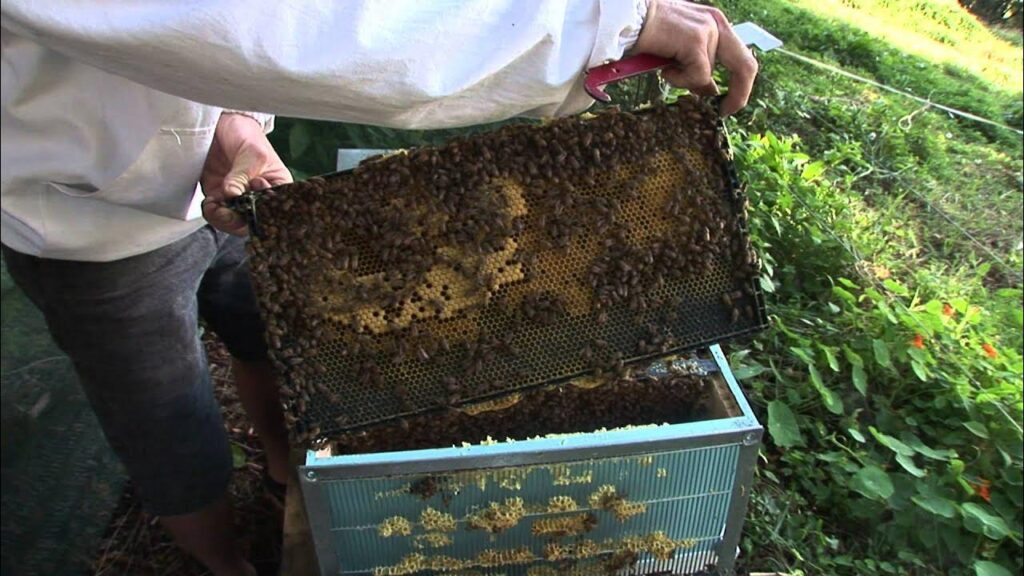
How to Prevent Bees From Nesting in Outdoor Storage Boxes
Outdoor storage boxes are practical additions to any property, providing a convenient place to keep gardening tools, patio cushions, sports equipment, children’s toys, and seasonal decorations protected from the weather. While these containers are designed to organize outdoor spaces, they can also attract unwanted wildlife if they are not properly maintained. One common concern for homeowners is the possibility of bees choosing storage boxes as nesting locations. Warm, dry, and undisturbed spaces offer suitable shelter, particularly during the spring and summer months when pollinators search for new places to establish colonies.
Although bees play an essential role in pollinating flowers, fruits, and vegetables, they can become a safety concern when they settle too close to areas used by family members or pets. The goal should never be to harm these beneficial insects but to discourage them from selecting storage containers as nesting sites. With proper maintenance, thoughtful placement, and regular inspections, homeowners can greatly reduce the likelihood of attracting unwanted colonies while preserving the natural environment.
Understanding Why Bees Choose Outdoor Storage Boxes
Before taking preventive measures, it is important to understand what attracts pollinators to outdoor storage containers. Like many wildlife species, they seek locations that provide protection from harsh weather, predators, and sudden disturbances. A storage box that remains closed for long periods creates a quiet environment where a new colony may begin developing without interruption.
Storage boxes with damaged lids, broken hinges, or small ventilation gaps are particularly attractive because they provide easy access while maintaining shelter inside. Containers placed beneath trees, beside flower gardens, or near fruit-bearing plants are even more likely to experience increased insect activity because food sources are readily available nearby.
The surrounding environment also plays a significant role. Homes with abundant flowering plants naturally attract pollinators throughout the growing season. While this supports healthy ecosystems, it also increases the possibility that insects will explore nearby structures looking for protected nesting spaces. Understanding these natural behaviors helps homeowners develop effective prevention strategies without relying on harmful chemicals.
Weather conditions influence activity as well. Warm temperatures encourage colonies to search for secure nesting areas, while prolonged dry periods may increase exploration of shaded outdoor structures. Seasonal awareness allows homeowners to inspect storage containers more frequently during periods of heightened activity.
Simple Maintenance Practices That Keep Bees Away
Consistent maintenance is one of the most effective ways to discourage nesting. Outdoor storage boxes should be opened regularly instead of remaining sealed for months at a time. Frequent use disrupts the quiet conditions that many pollinators prefer when searching for nesting locations.
Cleaning the interior also makes a noticeable difference. Leaves, grass clippings, bird nesting materials, and accumulated debris create sheltered corners that encourage insect activity. Removing these materials keeps the storage space less inviting while protecting stored belongings from moisture and pests.
Inspecting the exterior for damage is equally important. Cracks, warped panels, loose hinges, and broken seals should be repaired promptly. Even small openings can provide convenient entry points for insects exploring potential nesting sites. Replacing worn weather stripping or sealing minor gaps helps maintain the container’s protective barrier.
Storage box placement deserves careful consideration. Positioning containers on level surfaces away from dense landscaping reduces insect traffic around the structure. Avoid placing boxes directly beside flowering shrubs, compost piles, vegetable gardens, or fruit trees where pollinator activity naturally increases.
Proper organization inside the storage box contributes to prevention as well. Items should remain clean and dry, with unnecessary clutter removed regularly. Well-organized storage spaces improve airflow while reducing hidden corners where wildlife may settle unnoticed.
Creating an Outdoor Environment That Naturally Discourages Bees
Preventing nesting involves more than maintaining the storage container itself. The surrounding landscape significantly influences insect behavior throughout the property. Regular lawn maintenance, trimmed shrubs, and controlled vegetation improve visibility while reducing sheltered pathways leading to outdoor structures.
Ground moisture management also plays a role. Standing water near storage boxes attracts many insects and creates favorable conditions for various pests. Ensuring proper drainage around patios, decks, and garden areas helps maintain a cleaner, less attractive environment.
Flower gardens remain valuable for supporting pollinators, but thoughtful landscape planning creates a better balance between wildlife conservation and residential comfort. Planting flowering species farther away from frequently used storage areas encourages insects to remain where food sources are abundant instead of investigating nearby structures.
Seasonal inspections provide another layer of protection. Early spring is an excellent time to examine outdoor boxes before nesting activity increases. Checking corners, hinges, ventilation openings, and the underside of lids helps identify developing problems before colonies become established.
If repeated insect activity continues despite preventive maintenance, seeking professional guidance may be appropriate. During a detailed inspection, an experienced bee removal service in Fountain Valley can evaluate the situation, determine whether active nesting has begun, and recommend environmentally responsible solutions that protect both homeowners and beneficial pollinators without unnecessary disruption.
Choosing durable storage boxes also contributes to long-term prevention. High-quality resin or heavy-duty plastic containers typically resist cracking better than aging wooden boxes, reducing the number of potential entry points that develop over time.
Seasonal Inspections and Long-Term Prevention for Bees
Every season presents unique maintenance opportunities. Spring inspections prepare outdoor spaces before pollinator activity reaches its peak. Summer maintenance focuses on keeping storage areas clean and well-ventilated, while autumn provides an opportunity to remove debris before winter arrives. Even during colder months, periodic inspections ensure the container remains in good condition.
Property owners should also pay attention to nearby structures such as fences, sheds, pergolas, and deck railings. Wildlife often explores multiple sheltered locations before selecting a permanent nesting site. Maintaining the entire outdoor environment reduces opportunities for unwanted colonies to become established anywhere on the property.
Education remains one of the most valuable preventive tools. Understanding pollinator behavior helps homeowners recognize normal seasonal activity without unnecessary concern. Most insects visiting gardens are focused on collecting nectar and pollen rather than interacting with people. By recognizing early warning signs, homeowners can respond appropriately before minor situations become larger problems.
Avoiding chemical pesticides supports both environmental health and long-term effectiveness. Chemical treatments rarely address the structural conditions that attract nesting in the first place. Instead, prevention through maintenance provides lasting protection while preserving beneficial pollinator populations that support local ecosystems. If nesting becomes established despite these efforts, contacting a professional bee removal service in Fountain Valley ensures the situation is handled safely and responsibly while protecting both your property and valuable pollinators.
Maintaining Safe Storage Spaces While Protecting Nature
Creating an outdoor environment that discourages nesting does not require eliminating pollinators from the landscape. Instead, the objective is to reduce attractive shelter opportunities while allowing these beneficial insects to continue performing their essential ecological role. Healthy gardens, productive fruit trees, and thriving flowering plants all depend on successful pollination.
Routine maintenance forms the foundation of long-term prevention. Clean storage boxes, secure lids, repaired cracks, and thoughtful landscaping work together to minimize the likelihood of future nesting. These practical steps require relatively little effort compared to addressing an established colony after it has already settled inside a storage container.
Responsible homeowners understand that prevention is more effective than reacting to a problem after it develops. Regular inspections, seasonal cleaning, and prompt repairs not only discourage unwanted wildlife but also extend the lifespan of outdoor storage equipment. Well-maintained containers continue protecting valuable belongings while remaining less attractive to insects seeking shelter.
Ultimately, successful prevention relies on consistency. By combining careful maintenance with environmentally friendly practices, homeowners can enjoy organized outdoor spaces without disrupting the natural balance of the surrounding environment. Protecting storage boxes from unwanted visitors while respecting the important role of pollinators creates a safer, cleaner, and more sustainable property for years to come.