
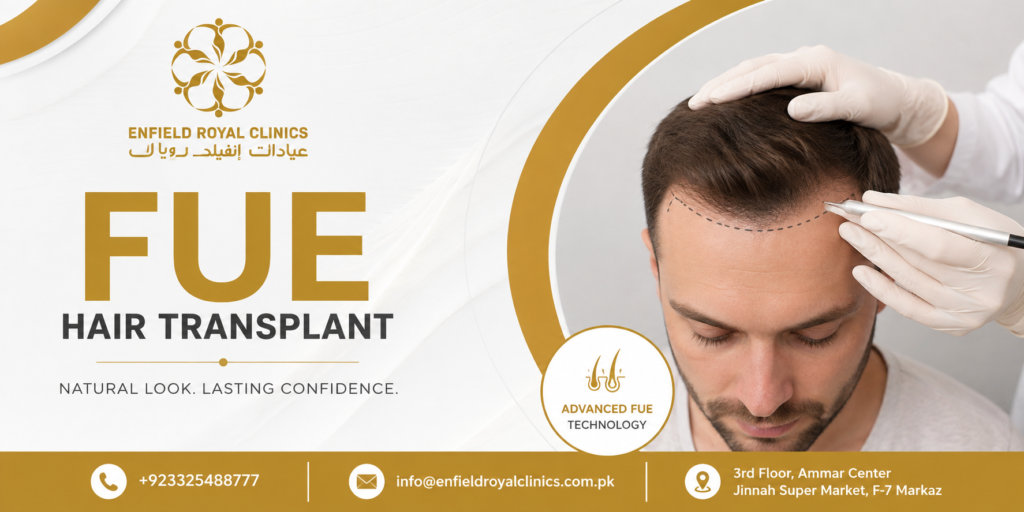
Is FUE Hair Transplant Permanent?
Hair loss is a concern that affects millions of people worldwide, often impacting confidence and self-esteem. While temporary treatments such as medications and topical solutions may slow hair loss, many individuals look for a long-term solution. One of the most effective options available today is the FUE Hair Transplant. A common question among patients is whether the results are permanent.
The short answer is yes—transplanted hair is generally permanent. However, understanding why these results last and what factors influence long-term success can help you make informed decisions about your hair restoration journey.
Understanding How FUE Hair Transplant Works
Follicular Unit Extraction (FUE) is a modern hair restoration procedure that involves removing healthy hair follicles individually from a donor area, usually the back or sides of the scalp. These follicles are then implanted into areas experiencing hair thinning or baldness.
The donor hair is selected because it is genetically resistant to the hormone responsible for pattern baldness. Once transplanted, these follicles retain their natural characteristics and continue growing in their new location.
This unique feature is the primary reason why the treatment offers long-lasting results.
Why Are the Results Considered Permanent?
The success of a FUE Hair Transplant depends largely on the characteristics of the donor hair.
Hair follicles taken from the back and sides of the scalp are typically resistant to dihydrotestosterone (DHT), the hormone associated with androgenetic alopecia, also known as male and female pattern hair loss.
After transplantation, these follicles continue behaving as they did in the donor area. This means they are far less likely to fall out due to genetic hair loss, allowing patients to enjoy permanent hair growth in the treated areas.
Does Permanent Mean Hair Will Never Change?
Although transplanted follicles are usually permanent, this does not mean your entire head of hair will remain unchanged forever.
Natural aging continues throughout life, and the non-transplanted hair may still become thinner over time. As a result, some people notice changes in hair density years after the procedure, even though the transplanted hair remains healthy.
This is why long-term planning is an important part of hair restoration.
What Factors Affect Long-Term Results?
Several factors influence how successful and long-lasting your transplant will be.
Quality of Donor Hair
Healthy donor follicles provide the strongest foundation for successful transplantation. Patients with dense, healthy donor hair often achieve better coverage and more natural-looking results.
Surgeon’s Experience
The skill and experience of the surgeon significantly affect the outcome. Proper extraction, handling, and implantation of follicles improve graft survival and create a natural hairline.
Overall Health
Good general health supports faster healing and healthy hair growth. Medical conditions, nutritional deficiencies, and certain medications can affect recovery and hair quality.
Following Aftercare Instructions
Patients who carefully follow post-procedure instructions usually experience better healing and improved graft survival.
Avoiding smoking, excessive alcohol consumption, and strenuous activities during recovery can also contribute to better outcomes.
What Happens After the Procedure?
Hair restoration is a gradual process, and patience is essential.
A typical timeline includes:
First Two Weeks
Tiny scabs form around the transplanted follicles and naturally fall away as the scalp heals.
One Month
Many transplanted hairs temporarily shed. This stage, known as shock shedding, is completely normal and should not cause concern.
Three to Four Months
New hair begins growing from the transplanted follicles.
Six to Nine Months
Hair becomes thicker and more noticeable as growth continues.
Twelve to Eighteen Months
Most patients see their final results, with improved density and a natural appearance.
Can Transplanted Hair Fall Out?
It is normal for transplanted hairs to shed shortly after the procedure. However, the follicles remain beneath the scalp and eventually produce new hair.
Permanent loss of transplanted follicles is uncommon when the procedure is performed correctly and aftercare instructions are followed.
If graft survival is poor, it is often related to factors such as infection, improper care, or underlying medical conditions rather than the transplant itself.
How Can You Maintain Your Results?
Although transplanted hair is generally permanent, maintaining overall scalp health helps preserve your appearance for years.
Simple habits can make a noticeable difference.
Eat a Balanced Diet
Foods rich in protein, iron, zinc, biotin, and vitamins support healthy hair growth.
Protect Your Scalp
Avoid excessive sun exposure during the healing period and use appropriate scalp protection when outdoors.
Manage Stress
Chronic stress may contribute to hair shedding in existing, non-transplanted hair.
Use Recommended Hair Care Products
Gentle shampoos and products recommended by your specialist help maintain scalp health.
Attend Follow-Up Visits
Regular check-ups allow your doctor to monitor progress and recommend additional treatments if necessary.
Will You Need Another Hair Transplant?
Some patients never require another procedure, especially if their hair loss has stabilized before surgery.
However, individuals with progressive hair loss may choose a second session in the future to treat newly thinning areas.
This does not mean the first transplant failed. Instead, it reflects the natural progression of hair loss in untreated areas.
Benefits Beyond Permanent Hair Growth
In addition to long-lasting results, this procedure offers several advantages.
These include:
- Natural-looking hairline
- Minimal scarring
- Faster recovery compared to older techniques
- Improved confidence
- Permanent growth of transplanted follicles
- Ability to style hair freely
These benefits make it one of the most preferred hair restoration procedures worldwide.
Choosing the Right Clinic Matters
Achieving permanent results depends not only on the procedure itself but also on selecting a qualified and experienced clinic.
Before treatment, look for:
- Board-certified specialists
- Proven experience in hair restoration
- Modern equipment
- Positive patient reviews
- Personalized treatment plans
- Comprehensive aftercare support
Choosing the right team greatly improves both the appearance and longevity of your results.
Conclusion
A FUE Hair Transplant is considered a permanent solution because the transplanted follicles come from areas naturally resistant to genetic hair loss. Once these healthy follicles establish themselves in the recipient area, they continue growing for many years. While untreated hair may continue to thin with age, the transplanted hair typically remains strong and healthy. By choosing an experienced surgeon, following proper aftercare, and maintaining good scalp health, patients can enjoy natural-looking, long-lasting results that restore both their hair and confidence.