Jacket Alterations: Give Your Favourite Jacket the Perfect Fit
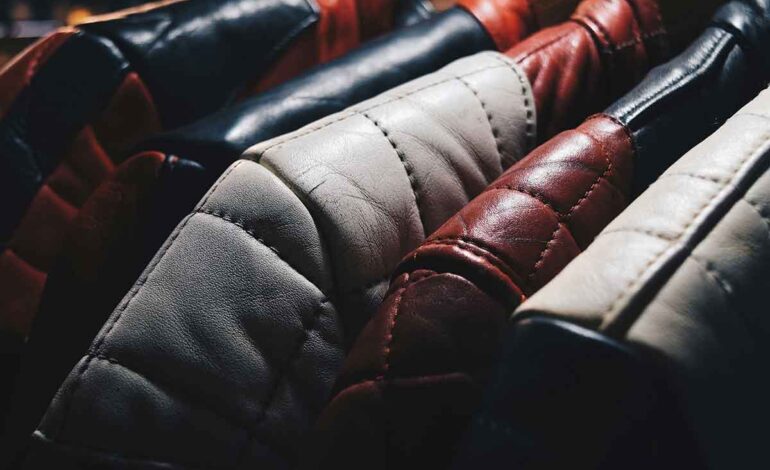
A well-fitted jacket can make a significant difference to your overall appearance. Whether it is a formal suit jacket, casual blazer, leather jacket, dinner jacket, or wedding outfit, the right fit helps you look polished while remaining comfortable. However, finding a jacket that fits perfectly straight from the shop can be challenging because ready-made garments are produced using standard measurements.
This is where professional jacket alterations can help. Rather than replacing a jacket that does not fit correctly, alterations can adjust specific areas to better suit your body shape and personal preferences. From sleeve shortening to waist adjustments, professional tailoring can improve both the appearance and comfort of your jacket.
What Are Jacket Alterations?
Jacket alterations involve modifying an existing jacket to improve its fit, shape, length, or functionality. A tailor examines the garment’s construction, fabric, seams, lining, buttons, and other details before determining which adjustments are practical.
Not every jacket can be altered in exactly the same way. The possible alterations depend on the jacket’s design, construction, available seam allowance, and material.
Some jackets may require only minor adjustments, while others may need several changes to achieve the desired fit.
Common Types of Jacket Alterations
1. Sleeve Length Alterations
Sleeve length is one of the most common jacket alterations. Sleeves that are too long can make a jacket look oversized, while sleeves that are too short may appear uncomfortable or poorly fitted.
A tailor can assess the appropriate sleeve length and make adjustments while taking cuffs, buttons, vents, and lining into consideration.
For formal jackets, achieving the correct sleeve length is particularly important because the sleeve should work well with the shirt or other garment underneath.
2. Jacket Waist Adjustments
A jacket should follow your body without feeling restrictive. If the waist is too loose, the jacket can appear boxy. If it is too tight, movement may become difficult.
A tailor may be able to take the jacket in or, where sufficient fabric is available, let it out slightly. The alteration needs to preserve the jacket’s original shape and balance.
3. Jacket Length Alterations
The length of a jacket can influence its entire appearance. Some people prefer a traditional longer style, while others may want a shorter, more contemporary silhouette.
Shortening a jacket is possible in many cases, but the tailor must consider the placement of pockets, vents, buttons, lining, and other design features.
4. Shoulder Alterations
Shoulder alterations are generally more complicated than sleeve or waist adjustments. The shoulders form an important part of a structured jacket and affect how the sleeves and body of the garment sit.
If the shoulders are too wide or narrow, the jacket may not look balanced even if the waist fits correctly. A professional assessment is therefore recommended before attempting major shoulder alterations.
5. Collar Adjustments
A jacket collar should sit neatly against the back of the neck. If there is excessive gaping or the collar does not sit correctly, an adjustment may sometimes be possible.
The cause of the problem needs to be identified first because collar issues can occasionally be related to the shoulders or overall jacket construction.
6. Button Replacement
Buttons can become loose, damaged, or lost through regular use. Replacing them can refresh the appearance of a jacket and restore its functionality.
Buttons can also sometimes be changed as part of a style update, provided the replacement design works with the garment.
7. Zip Replacement and Repair
Casual jackets, leather jackets, coats, and other outerwear may develop problems with their zips. A damaged zip does not always mean the entire jacket needs replacing.
Depending on the garment, a tailor may be able to repair or replace the zip while maintaining the overall appearance of the jacket.
Jacket Alterations for Special Occasions
A perfectly fitted jacket is particularly important for weddings, business meetings, formal dinners, interviews, and other special events.
Wedding jackets and suit jackets often appear in photographs, making fit even more noticeable. Small adjustments to the sleeves, waist, or length can help create a more polished appearance.
It is best to arrange alterations well before an important event. This allows time for an initial fitting and any additional adjustments that may be required.
Can an Oversized Jacket Be Altered?
Many oversized jackets can be altered, but the extent of the alteration depends on their construction.
Reducing the waist or shortening sleeves may be relatively straightforward. However, reducing the shoulders or significantly changing the overall proportions can be more complicated.
If you are considering purchasing a jacket specifically because you intend to alter it later, it is sensible to have the garment assessed by a professional tailor before making significant changes.
Can a Jacket Be Made Larger?
Making a jacket larger is sometimes possible, but it depends on whether there is enough additional fabric within the seams.
A tailor can inspect the seam allowance to determine whether the garment can be let out. Some jackets have enough material to allow a small increase, while others have very limited room for adjustment.
The same applies to trousers, waistcoats, and other tailored garments.
Jacket Alterations for Different Materials
Different fabrics require different approaches. A wool suit jacket, cotton blazer, denim jacket, and leather jacket do not have identical construction or alteration requirements.
Structured formal jackets often contain lining, interfacing, padding, and carefully constructed seams. Leather garments require specialised handling because cutting and stitching leave permanent marks.
For this reason, it is important to choose a tailor who understands the material and construction of the particular jacket.
How to Prepare for a Jacket Fitting
Before visiting a tailor, think about how you want the jacket to fit. Do you prefer a slim, regular, or relaxed silhouette?
If the jacket will be worn with a particular shirt, trousers, shoes, or waistcoat, bringing these items to the fitting can be useful. The tailor can then assess the complete outfit rather than looking at the jacket in isolation.
For wedding or formal jackets, bringing the footwear you plan to wear can also help when determining overall proportions.
How Much Do Jacket Alterations Cost?
The price of jacket alterations varies depending on the type and complexity of the work. Simple adjustments usually require less time than major structural changes.
Factors that can influence the cost include:
- Type of alteration
- Jacket construction
- Fabric and lining
- Number of adjustments required
- Presence of vents or pockets
- Buttons and decorative details
- Amount of stitching involved
For an accurate estimate, the jacket should normally be inspected before work begins.
How Long Do Jacket Alterations Take?
Turnaround time depends on the type of alteration and the tailor’s workload. A simple sleeve adjustment may require less time than extensive reshaping involving the shoulders, lining, or multiple sections.
If the jacket is needed for a wedding, interview, ceremony, or other important occasion, arranging the alteration in advance is recommended.
Why Choose Professional Jacket Alterations?
Professional alterations can extend the useful life of a garment. Instead of discarding a good-quality jacket because it does not fit perfectly, tailoring can provide a practical solution.
A properly altered jacket can offer:
- Better comfort
- Improved proportions
- Greater confidence
- A more polished appearance
- Better freedom of movement
- Longer garment usability
The goal is not simply to make the jacket smaller or shorter. Good tailoring considers the complete garment and ensures that alterations work together.
A & Z Tailor for Jacket Alterations
A & Z Tailor provides tailoring and alteration services for customers who want their garments to fit more comfortably and look more polished.
Whether you have a formal suit jacket, blazer, wedding jacket, casual jacket, or another tailored garment, the appropriate alteration depends on the garment’s construction and your desired fit.
A professional fitting allows the required changes to be discussed before work begins. This can help ensure that the final result reflects your measurements and preferences.
Final Thoughts
The right fit can transform the appearance of almost any jacket. Small changes such as shortening sleeves, adjusting the waist, replacing buttons, or modifying the length can make a noticeable difference.
However, jackets are structured garments, so alterations should be approached carefully. A professional tailor can assess the garment and determine which changes are practical without compromising its original design.
If your jacket is uncomfortable, oversized, too long, or simply does not fit the way you want, jacket alterations may be a better option than replacing it. With careful measurements and skilled workmanship, an existing jacket can be adjusted to provide a more comfortable, flattering, and personalised fit.