
Male Pattern Baldness Explained: Why It Happens and How to Manage It
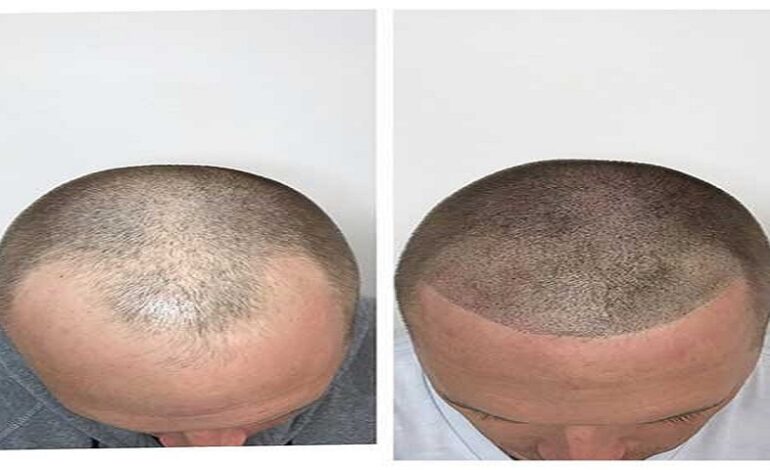
Hair loss is a common concern among men, often starting earlier than expected and progressing over time. One of the most widespread forms of hair loss is Male Pattern Baldness (MPB), a condition that affects millions globally. While it may seem unavoidable, understanding why it happens and how to manage it can make a significant difference in preserving hair health.
Scientifically known as Androgenetic Alopecia, male pattern baldness is a gradual process influenced by genetics and hormones. With the right knowledge and timely action, it is possible to slow down its progression and maintain healthier hair.
What is Male Pattern Baldness?
Male Pattern Baldness is a hereditary condition that leads to progressive hair thinning and loss. It typically follows a recognizable pattern:
- Receding hairline, especially at the temples
- Thinning at the crown
- Gradual merging of these areas over time
Unlike temporary hair fall, MPB is a long-term condition that requires consistent management.
Why Does Male Pattern Baldness Happen?
Understanding the causes of MPB is essential for effective management.
- Genetic Factors
The primary cause of male pattern baldness is genetics. If your family has a history of hair loss, your chances of experiencing it are higher.
Genetic sensitivity of hair follicles determines how they respond to hormonal changes.
- Hormonal Influence (DHT)
A key factor in MPB is a hormone called dihydrotestosterone (DHT). This hormone gradually shrinks hair follicles in individuals who are genetically sensitive to it.
Over time, DHT causes:
- Shorter hair growth cycles
- Thinner hair strands
- Reduced hair production
Eventually, follicles may stop producing hair altogether.
- Follicle Miniaturization
As a result of DHT exposure, hair follicles shrink in size. This process, known as miniaturization, leads to weaker and finer hair.
This is why hair appears thinner before it completely stops growing in affected areas.
- Aging Process
Although MPB can begin early, it becomes more noticeable with age. As the body changes over time, the impact of hormonal and genetic factors becomes more evident.
Early Signs of Male Pattern Baldness
Recognizing the early signs allows for timely intervention. Common indicators include:
- Gradual recession of the hairline
- Thinning at the crown
- Increased hair shedding
- Reduced hair density
- Slower hair growth
Ignoring these signs can lead to advanced stages of hair loss.
How to Manage Male Pattern Baldness
While male pattern baldness cannot be completely reversed, it can be effectively managed with the right approach.
- Start Treatment Early
Early intervention is one of the most important factors in managing MPB. When hair follicles are still active, they respond better to treatment.
Delaying action reduces the chances of successful regrowth.
- Use Clinically Proven Medications
Certain medications are widely used to manage MPB:
- Minoxidil helps stimulate hair growth and improve blood flow to follicles
- Finasteride works by reducing DHT levels
These treatments are most effective when used consistently under professional guidance.
- Consider Advanced Therapies
In addition to medications, modern treatments can enhance results:
- Platelet-Rich Plasma Therapy stimulates hair follicles using growth factors
- Low Level Laser Therapy improves circulation and follicle activity
These therapies support scalp health and strengthen hair growth.
Consult the Male Pattern Baldness experts in Vadodara and take control of your hair health today.
- Maintain a Healthy Hair Care Routine
Proper hair care plays a supportive role in managing MPB. This includes:
- Using gentle, suitable hair products
- Avoiding excessive heat and chemical treatments
- Keeping the scalp clean and healthy
While hair care alone cannot stop MPB, it helps maintain overall hair quality.
- Focus on Nutrition and Lifestyle
A balanced lifestyle contributes to better hair health. Important factors include:
- Protein-rich diet
- Essential vitamins and minerals
- Stress management
- Adequate sleep
These elements support hair growth and reduce additional hair fall.
- Set Realistic Expectations
Managing MPB requires patience and consistency. Treatments can:
- Slow down hair loss
- Improve hair thickness
- Support regrowth in early stages
However, results vary depending on the stage of hair loss and individual response.
Common Myths About Male Pattern Baldness
Understanding MPB also helps clear common misconceptions:
Myth: Hair oils can cure baldness
Truth: Oils may improve hair texture but do not address hormonal causes.
Myth: Wearing hats causes hair loss
Truth: MPB is primarily driven by genetics and hormones.
Myth: Only older men experience baldness
Truth: MPB can begin in the late teens or early twenties.
When to Seek Professional Help
If you notice persistent hair thinning or pattern-based hair loss, consulting a specialist is important.
Professional evaluation can:
- Determine the stage of hair loss
- Identify the underlying cause
- Recommend suitable treatments
Early consultation improves the chances of effective management.
Final Thoughts
Male Pattern Baldness is a common yet manageable condition. By understanding why it happens and taking proactive steps, you can slow its progression and maintain healthier hair.
The key lies in early detection, consistent treatment, and informed decision-making. While hair loss may not be entirely preventable, managing it effectively can help you retain confidence and control over your hair health.
Struggling with hair loss? Get the best solution for Male Pattern Baldness treatment in Vadodara from trusted experts today.
Book your consultation now and take the first step towards stronger, healthier hair with advanced care.