Office Table Design for Comfortable and Efficient Workspaces
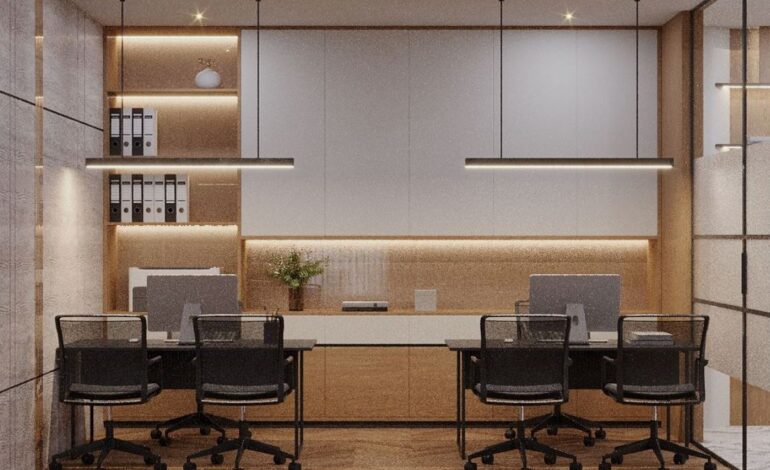
An office should provide an environment where people can concentrate, communicate, and complete daily responsibilities comfortably. Office table design has a major role in creating such an environment because the desk is central to most workplace activities. Employees use tables for computer work, meetings, writing, planning, and organizing documents. The right table can make these tasks easier while contributing to a professional and welcoming office atmosphere. Businesses should therefore consider functionality, proportions, materials, comfort, storage, and appearance before choosing furniture for a workplace.
Selecting a Table Based on Workplace Requirements
The best office table depends on the activities performed in the room. An employee who mainly works on a computer may need a straightforward workstation with enough room for a monitor, keyboard, mouse, and essential documents. A manager may need a wider surface for meetings, paperwork, and technology. Conference rooms require larger tables that can comfortably accommodate several people, while reception areas may need a design that combines a working surface with a professional presentation.
Understanding these requirements before purchasing furniture can prevent unnecessary spending. A table should provide enough working space without occupying more floor area than necessary. Businesses should measure the room carefully and consider doors, windows, cabinets, chairs, and walking paths. Proper planning creates a balanced layout where furniture supports productivity rather than becoming an obstacle.
Rectangular Tables for Flexible Office Layouts
Rectangular office tables remain a practical choice for many workplaces because their simple structure fits into different room configurations. They can be placed against walls, positioned in the center of a room, or arranged together to create larger workstations. Their straight edges also make it easier to organize multiple desks in open-plan offices.
These tables are available in different lengths and widths, allowing businesses to select an option according to their available space. A compact rectangular desk can work well in a small office, while a larger version can provide additional room for equipment and paperwork. Their adaptable shape makes them suitable for employees, supervisors, training rooms, and meeting areas.
L-Shaped Tables for Better Workspace Utilization
L-shaped desks are useful for people who require more than one working zone. One section can hold a computer and monitor, while the other can be used for paperwork, meetings, or additional equipment. This arrangement can help separate different tasks without requiring another table.
Corner placement is another advantage of an L-shaped desk. Instead of leaving unused space in a corner, businesses can use the area as part of the workstation. This can be particularly helpful in smaller offices where every part of the room needs to serve a purpose.
Materials That Suit Modern Workplaces
The material of a desk influences its durability and visual character. Laminated boards are popular because they offer many finishes and are relatively simple to clean. Wood-inspired surfaces can create a warm and established appearance, making them suitable for executive offices and professional meeting spaces.
Metal frames can provide additional stability and support. They are often paired with wood-based or laminated tops to create a balanced combination of strength and style. Glass can produce a sleek appearance and make some rooms feel visually lighter, although it requires regular cleaning.
Businesses should select materials according to the expected level of use. A busy workstation needs a surface that can withstand frequent handling, equipment movement, cleaning, and everyday wear. Quality construction can help extend the useful life of office furniture.
Ergonomic Features for Daily Comfort
Comfort should be considered alongside appearance when selecting an office desk. Employees can spend a significant part of their working day at a table, so the furniture should allow a comfortable sitting position and provide adequate legroom.
Desk height should work appropriately with the office chair. Employees should have sufficient clearance underneath the surface, while the desktop should provide enough depth for monitors and other equipment. Keeping screens at a suitable viewing position can also help employees maintain a more comfortable working setup.
Cable management is another useful feature. Integrated cable ports and concealed channels can prevent wires from spreading across the desk. A tidy workstation is easier to maintain and can contribute to a more organized office environment.
Creating Organized Employee Workstations
A well-planned workstation gives employees space to complete their tasks without unnecessary clutter. The desk should accommodate essential equipment while leaving enough open surface for writing, reviewing documents, or completing other activities.
Storage can be integrated into or positioned beside the table. Drawers, mobile pedestals, shelves, and cabinets can provide convenient places for documents and office supplies. Keeping frequently used items close to the workstation can reduce interruptions and make daily routines more efficient.
Another important consideration is the distance between workstations. Employees need enough personal space to move their chairs and access storage comfortably. Thoughtful spacing can also improve movement throughout an open office.
Office Tables for Collaborative Areas
Modern workplaces often include areas designed for teamwork and group discussions. Tables in these spaces should encourage communication while providing sufficient room for laptops, notebooks, documents, and other equipment.
Round and oval tables can create a more inclusive arrangement because participants can face one another easily. Rectangular conference tables may be more suitable for larger groups and formal meetings. The choice should depend on the number of users, room dimensions, and type of meetings typically held.
Technology should also be considered. Meeting tables with integrated power outlets and cable access can make presentations and video conferences more convenient. These small details can have a significant effect on how effectively a meeting room is used.
Choosing Tables for Compact Offices
Small workplaces require furniture that uses available space efficiently. Oversized desks can make a compact office feel crowded and reduce comfortable movement. Smaller desks with streamlined structures can provide sufficient working space while preserving floor area.
Corner desks are particularly useful when floor space is limited. Desks with built-in storage can also reduce the need for separate cabinets. Using vertical storage on walls can further free up the floor and keep documents organized.
Color and finish can influence the visual perception of a small room. Lighter furniture finishes and uncluttered surfaces can make the workspace feel more open. Good lighting and organized cables can support the same effect.
Creating a Strong Executive Office
Executive offices often require furniture that communicates professionalism while supporting practical work. A spacious desk can provide room for computers, documents, client discussions, and administrative tasks. However, the table should remain proportionate to the office.
Premium finishes, coordinated storage, comfortable seating, and carefully selected accessories can create a cohesive environment. The desk should complement the rest of the room instead of dominating it.
For client-facing offices, presentation matters. A clean and well-organized executive desk can contribute to a positive impression when visitors enter the room. At the same time, practical features should remain a priority because the desk must support everyday responsibilities.
Matching Furniture With Interior Style
An office table should work visually with the surrounding furniture. Mixing completely different finishes and styles can make a workplace appear disorganized. Coordinating desks with chairs, storage units, reception furniture, and meeting tables can create a consistent appearance.
Minimal office interiors often suit desks with simple forms and clean surfaces. More traditional environments may benefit from wood finishes and detailed designs. Contemporary workplaces can use combinations of neutral surfaces, metal frames, and practical storage features.
The objective is to create an environment that feels professional without becoming visually overwhelming. Furniture should support the office identity while remaining practical for employees.
Planning Furniture Around Future Growth
Businesses can change quickly. Teams may expand, departments may move, and working arrangements may develop over time. Furniture that offers flexibility can make these changes easier to manage.
Modular desks can be rearranged when the office layout changes. Tables that work individually or as part of a larger workstation system can also provide greater flexibility. This approach may reduce the need to replace furniture whenever the organization changes.
Durability should also be considered as part of long-term planning. Strong materials and reliable construction can help businesses avoid frequent replacement costs. A well-selected desk can remain useful through several stages of office development.
Making Office Tables Part of a Productive Environment
A desk is more than a piece of furniture placed inside an office. Its dimensions, placement, storage options, and design can influence how efficiently people use their workspace. Office table design should therefore be considered as part of the complete office layout rather than as an isolated purchasing decision.
Businesses should evaluate how employees work, what equipment they use, how much storage they require, and how much room is available. These factors make it easier to choose furniture that supports practical needs while maintaining an attractive appearance.
Practical Design Choices for Modern Offices
The most successful office furniture choices combine usability with a professional appearance. A suitable table should offer enough surface area, comfortable proportions, reliable construction, and useful features without creating unnecessary complexity.
Good planning also makes it easier to maintain consistency across different areas of the workplace. Employee desks, manager tables, meeting furniture, and collaborative workstations can share complementary materials and finishes. This creates a unified environment while allowing each area to serve its specific purpose.
Businesses should also think about maintenance. Surfaces that are easy to clean can be particularly valuable in busy offices. Durable finishes, sturdy frames, and accessible storage can help keep workspaces functional for longer periods.
Conclusion
A carefully selected office table can improve organization, comfort, and the overall appearance of a professional environment. From compact workstations and L-shaped desks to executive tables and collaborative meeting furniture, every option should be selected according to the needs of the people using it. Size, materials, ergonomics, storage, cable management, and room layout all deserve attention before making a final decision. Modern office table designs can help businesses create practical workspaces that look polished while supporting everyday productivity.