
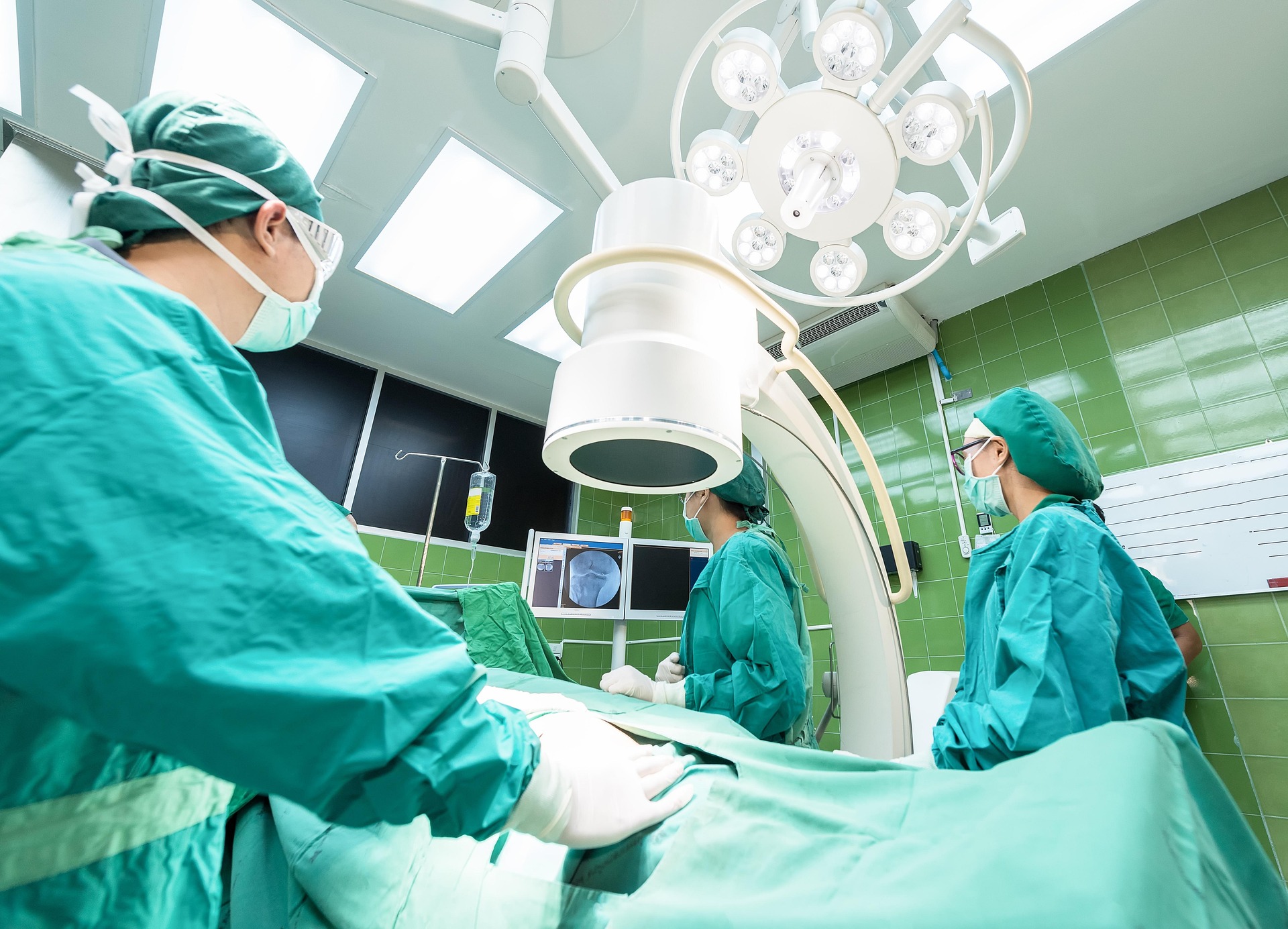
Hospitals are always looking for smarter ways to improve infection prevention without disrupting patient care. Alongside traditional cleaning methods, many healthcare facilities now use advanced disinfection technologies to reduce harmful microorganisms on surfaces. One of the most innovative approaches is pulsed xenon UV technology, which has become an important tool in modern hospital environmental hygiene programs.
Unlike conventional cleaning methods that rely on chemicals and manual labor alone, pulsed xenon systems use powerful bursts of ultraviolet light to help inactivate bacteria, viruses, and fungi on exposed surfaces. Understanding the science behind this technology helps explain why it has gained attention as part of comprehensive infection prevention strategies.
What Is Pulsed Xenon UV Technology?
Pulsed xenon UV technology is an automated disinfection method that uses a xenon gas lamp to produce intense flashes of broad-spectrum ultraviolet light.
Unlike traditional mercury-based UV systems that emit a continuous stream of UV-C light, pulsed xenon systems generate rapid, high-energy pulses across a broader range of ultraviolet wavelengths, including UV-C.
These short bursts of light are used after routine manual cleaning to help reduce microorganisms that may remain on exposed surfaces inside patient rooms, operating rooms, and other healthcare environments.
The technology is designed to complement—not replace—standard hospital cleaning procedures.
How Pulsed Xenon UV Technology Works
The science behind pulsed xenon technology is based on the interaction between ultraviolet light and microorganisms.
During a disinfection cycle, electrical energy is applied to a xenon gas lamp. This creates powerful flashes of broad-spectrum ultraviolet light in extremely short intervals.
When microorganisms are exposed to this ultraviolet energy, the light damages their genetic material, including DNA or RNA. Once this genetic material is disrupted, the microorganisms lose their ability to reproduce and spread.
Because many bacteria and viruses rely on replication to survive and infect new hosts, interrupting this process helps reduce their ability to cause infections.
Why Broad-Spectrum UV Matters
One feature that distinguishes pulsed xenon technology is its use of broad-spectrum ultraviolet light.
Rather than producing only a narrow band of UV wavelengths, xenon lamps emit light across multiple parts of the ultraviolet spectrum, including UV-C.
This broad-spectrum output allows the system to deliver intense pulses of UV energy during each treatment cycle.
In healthcare environments, these automated cycles help strengthen environmental hygiene after manual cleaning has already been completed.
Why Hospitals Use Pulsed Xenon Technology
Healthcare facilities face ongoing pressure to reduce healthcare-associated infections (HAIs) while maintaining efficient patient care.
Pulsed xenon UV technology supports these goals in several ways.
Consistent Disinfection
Automated treatment cycles provide standardized room disinfection, helping reduce variability between cleaning sessions.
Supports Existing Cleaning Protocols
Pulsed xenon systems are used after manual cleaning, allowing hospitals to strengthen existing environmental services workflows rather than replace them.
Designed for Healthcare Environments
Patient rooms, intensive care units, operating rooms, emergency departments, and isolation rooms often require enhanced cleaning procedures.
Automated UV technology provides additional support in these high-priority areas.
Improved Environmental Hygiene
By helping reduce microorganisms that remain on exposed surfaces after manual cleaning, pulsed xenon technology contributes to cleaner patient care environments.
Common Applications in Hospitals
Pulsed xenon UV systems are commonly used in:
- Patient rooms
- Intensive Care Units (ICUs)
- Operating rooms
- Emergency departments
- Isolation rooms
- Recovery areas
- Surgical suites
These areas often experience frequent patient turnover and require high standards of environmental hygiene.
The Role of Technology in Infection Prevention
Modern infection prevention programs rely on multiple layers of protection rather than a single cleaning method.
Hospitals combine:
- Manual cleaning
- Chemical disinfectants
- Hand hygiene
- Staff training
- Isolation precautions
- Automated UV disinfection
Each component strengthens the overall strategy for reducing environmental contamination and protecting patients.
How Xenex Uses Pulsed Xenon UV Technology
Xenex develops advanced UV disinfection systems that use pulsed xenon technology specifically for healthcare environments.
Its solutions are designed to integrate into existing hospital cleaning workflows by providing automated UV disinfection after routine manual cleaning has been completed.
By supporting environmental services teams and helping improve room disinfection consistency, Xenex assists healthcare facilities in strengthening infection prevention and environmental hygiene programs.
Conclusion
Pulsed xenon UV technology combines advanced engineering with the proven science of ultraviolet light to support modern hospital disinfection.
By generating powerful bursts of broad-spectrum UV energy, these systems help reduce harmful microorganisms that may remain on exposed surfaces after routine cleaning. While they do not replace manual cleaning, they provide an important additional layer of protection that strengthens hospital infection prevention strategies. Healthcare organizations looking for additional insights into infection prevention and healthcare technology can also explore Pro AI Articles.
As healthcare organizations continue investing in technologies that improve patient safety and environmental hygiene, pulsed xenon UV technology is playing an increasingly important role in creating cleaner, safer care environments.
Short Summary
Pulsed xenon UV technology uses high-intensity flashes of broad-spectrum ultraviolet light to help reduce bacteria, viruses, and fungi on exposed surfaces after manual cleaning. It supports hospital infection prevention by improving environmental hygiene and providing consistent automated disinfection. Xenex uses pulsed xenon technology to help healthcare facilities create safer patient care environments.
Frequently Asked Questions
1. What is pulsed xenon UV technology?
Pulsed xenon UV technology is an automated disinfection method that uses high-intensity flashes of broad-spectrum ultraviolet light to help reduce microorganisms on exposed surfaces.
2. How does pulsed xenon UV technology work?
The technology emits rapid bursts of ultraviolet light that damage the DNA or RNA of microorganisms, reducing their ability to reproduce and spread.
3. Is pulsed xenon technology the same as traditional UV-C?
No. Traditional UV-C systems typically emit continuous UV-C light, while pulsed xenon systems generate high-intensity flashes of broad-spectrum ultraviolet light, including UV-C wavelengths.
4. Can pulsed xenon UV technology replace manual cleaning?
No. Pulsed xenon UV technology is designed to complement manual cleaning by providing an additional layer of disinfection after routine cleaning procedures.
5. How does Xenex use pulsed xenon UV technology?
Xenex develops pulsed xenon UV disinfection systems that integrate into hospital cleaning workflows, helping healthcare facilities strengthen infection prevention and improve environmental hygiene.