Why Are UK Couples Choosing Coloured Stone Engagement Rings in 2026
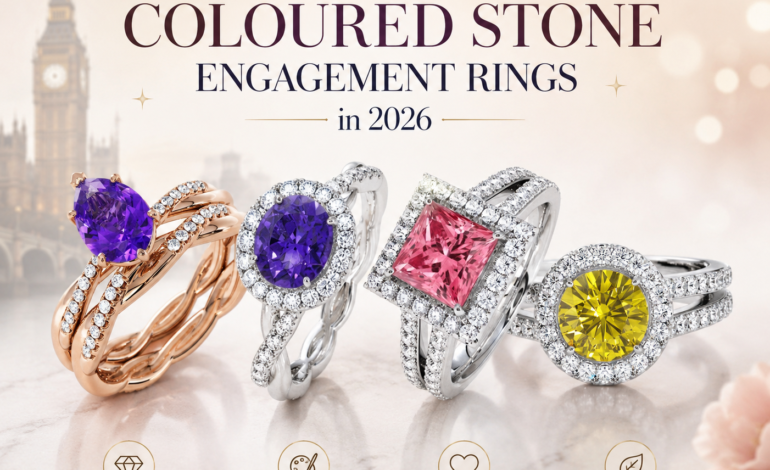
I have been paying close attention to the UK engagement ring market for long enough to know when a shift is real and when it is simply a noise. What is happening with coloured stone engagement rings such as ruby or blue sapphire engagement ring in 2026 is unambiguously real. The numbers are too large and too consistent to be false.
Gemstone engagement rings have seen a 111 per cent increase over the past twelve months in the UK. That is not a marginal movement but a structural shift, and understanding why it is happening is the most practically useful thing I can offer to anyone navigating this market in 2026.
Emerald Engagement Rings in the UK
The Beauty and the Honest Conversation About Daily Wear
An emerald engagement ring is one of the most visually extraordinary choices in the UK fine jewellery market for 2026. The deep, rich green colour of a quality emerald is unlike any other in the world of gemstones. It reads as both luxurious and organic, both contemporary and deeply historical. In yellow gold, which is the setting that suits emeralds most naturally and is currently the most popular metal choice, holding a 44 per cent market share in 2026 (up from 22 per cent in 2020) an emerald creates a combination that has been featured in significant jewellery for centuries and still feels completely current.
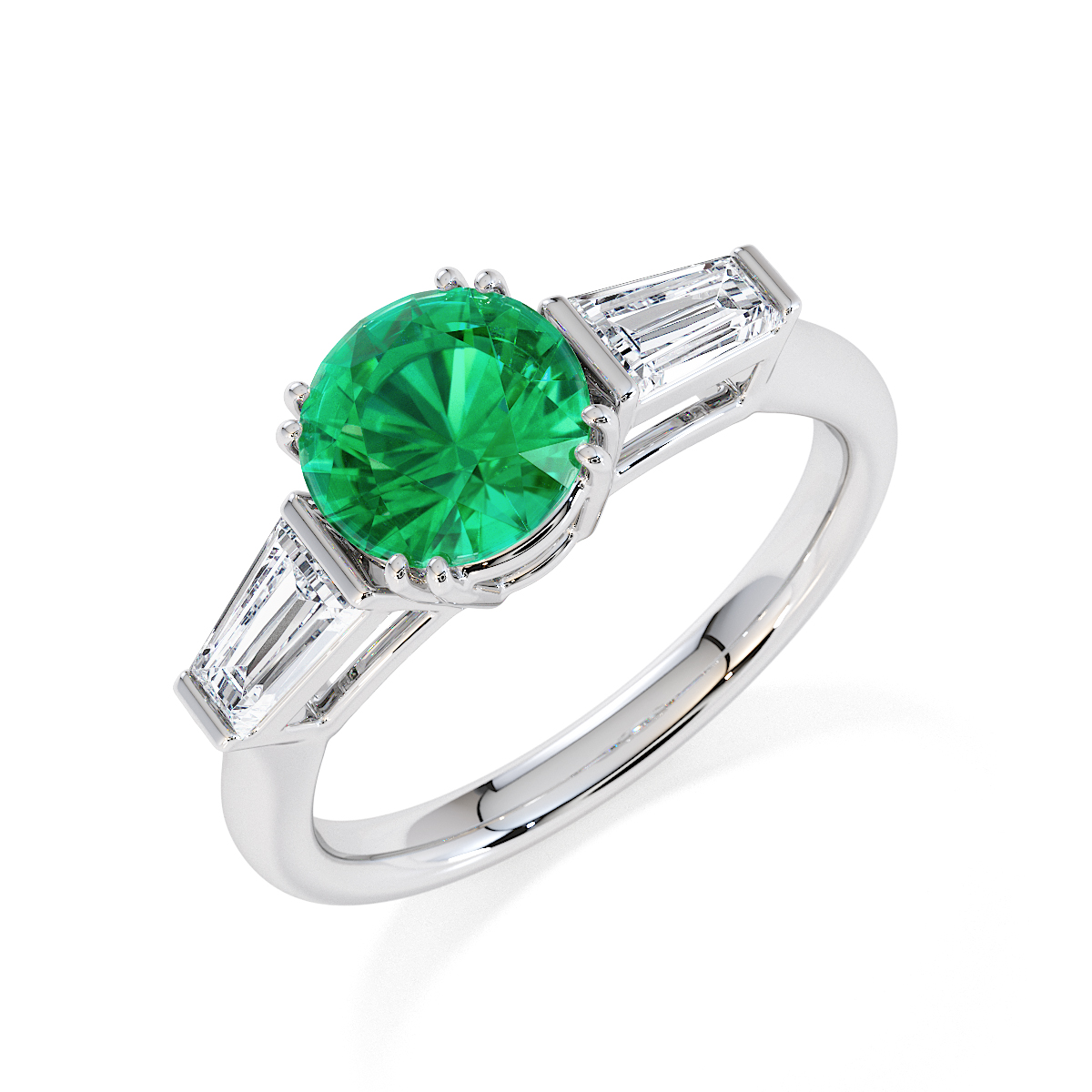
The conversation that you must have with the seller before any emerald engagement ring purchase is about daily-wear reality. Emeralds typically come in at Mohs 7.5 to 8, but their natural inclusions can make them prone to chipping, requiring a protective setting and careful wear, which means if you do not take your rings off when you wash your hands or you are in an active line of work, you will need to take extra care of your emerald engagement ring.
The Cleaning Reality UK Buyers Need to Know Before Purchase
Most emeralds in commercial circulation are treated with oil or resin to fill the surface-reaching fractures that are present in virtually all natural emeralds. This treatment is widely accepted within the trade, disclosed on reputable grading certificates, and does not diminish the beauty or legitimacy of the stone. It does mean that certain cleaning approaches should be avoided.
Ultrasonic cleaners and steam cleaners can remove or disturb the filling in treated emeralds, making the fractures more visible and the stone more vulnerable to moisture ingress. Warm water, mild soap, and a soft brush are the correct daily cleaning approach for an emerald engagement ring. Professional cleaning from a jeweller who understands coloured stones and their specific treatment considerations is recommended annually rather than whenever the ring looks like it needs it.
This is the information that most buyers wish they had been given at the point of purchase rather than discovering in the first year of wearing the ring. Knowing it beforehand makes the difference between an emerald engagement ring that looks extraordinary for decades and one that develops avoidable issues within the first few years.
Blue Sapphire Engagement Rings: the Practical Case That Matches the Aesthetic One
Why Sapphire Leads the Coloured Stone Market for Reasons That Go Beyond Appearance
Blue sapphire accounts for nearly half of all coloured gemstone sales in the UK market, and its popularity is not accidental. It reflects a combination of aesthetic and practical qualities that no other coloured stone offers as completely.
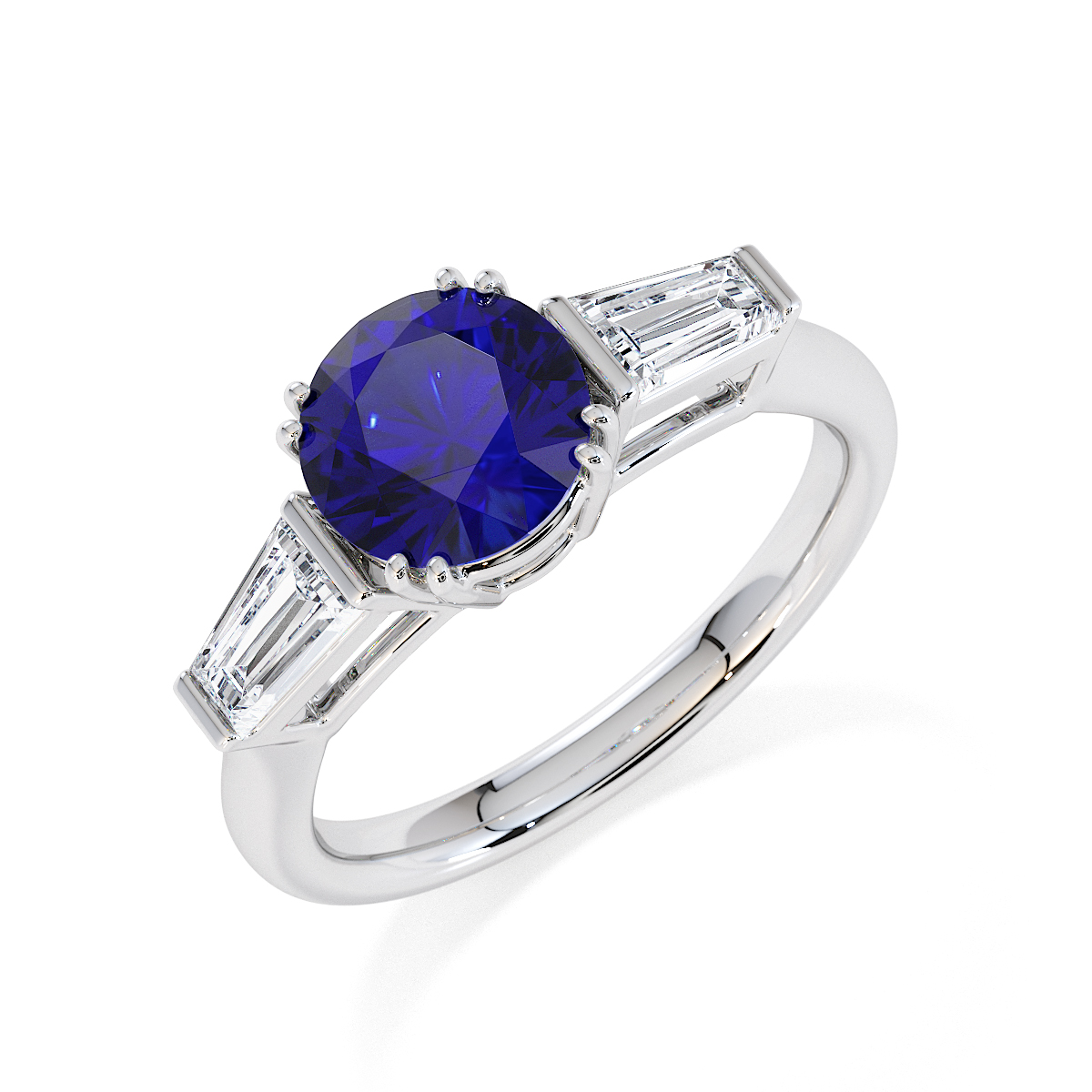
Aesthetically, a blue sapphire engagement ring offers a colour range that is unlike anything else in fine jewellery. It looks entirely different in different lighting conditions: vivid and electric in direct sunlight, deep and velvety in candlelight, and quietly rich in the flat natural light of a typical British day. That light-responsiveness is part of what makes living with a sapphire ring so consistently satisfying.
Practically, sapphire sits at nine on the Mohs hardness scale, which is just one point below diamond and substantially above emerald, ruby, and every other popular coloured stone. Saturated and nuanced colours are abundant in durable materials such as sapphire and ruby, which continue to be go-to choices due to their hardness, strength, and longevity. In daily wear a blue sapphire engagement ring does not require the careful awareness that an emerald does. It can be worn consistently without removing it for most activities and cleans easily without the treatment limitations that apply to emeralds.
This combination is why blue sapphire leads the coloured stone engagement ring category in the UK and why the growth trajectory shows no signs of reversing.
What to Look for in a Blue Sapphire Ring Before Committing
The quality variables in a blue sapphire that matter most in an engagement ring context are colour, treatment status, and how the stone looks in multiple lighting conditions rather than in a single controlled environment.
Colour assessment for a blue sapphire requires looking at three things simultaneously:
- Saturation (the intensity of the colour)- should be vivid without being so dark that the stone loses its colour in indoor lighting conditions, appearing almost black rather than richly blue.
- Hue (the specific blue)- should be pure or slightly violet-blue rather than greenish-blue, which reads as less valuable and less visually appealing in most settings.
- Tone (the lightness or darkness)- should sit in the medium- to medium-dark range for maximum colour impact across the full range of UK lighting conditions.
Treatment status is the question worth asking specifically before any sapphire purchase. The vast majority of blue sapphires in commercial circulation have been heat-treated to improve their colour and clarity. This is widely accepted within the trade and does not diminish a stone’s beauty or legitimacy. Unheated sapphires command a significant premium that reflects their rarity rather than any meaningful visual difference.
Summing Up
To sum up, there are several things that couples today want to pay close attention to before investing in any sort of ring. Paying attention and having a close look helps ensure that the gemstone jewellery you buy is genuine, something you truly love, and trendy.