
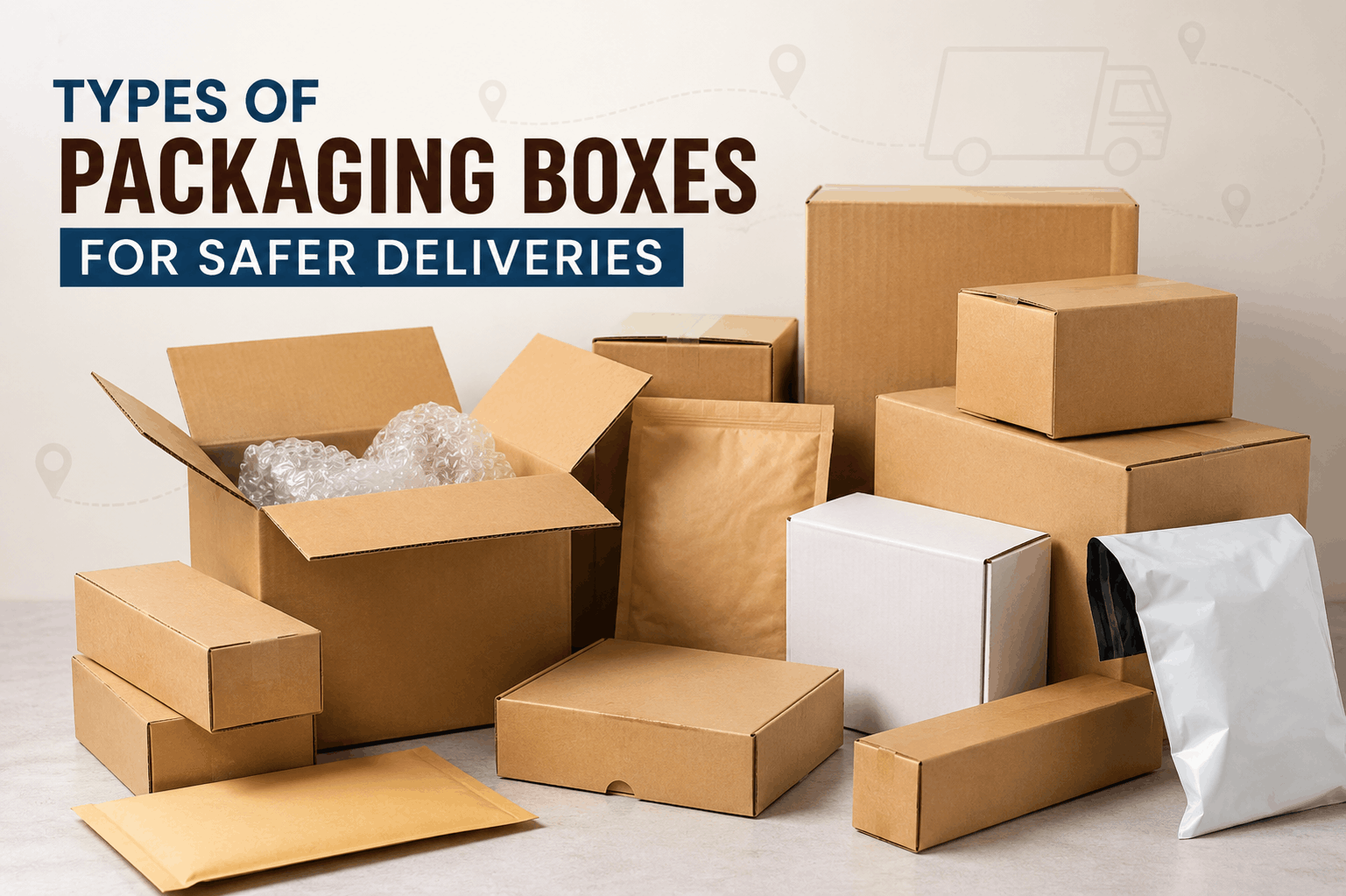
I’ve always believed a good delivery starts long before the parcel leaves the warehouse. You can wrap a product carefully, seal it with strong tape and add plenty of cushioning, but if the box isn’t right, you’re already taking a risk. Different products need different packaging. A mug, a book and a golf club won’t survive the same journey in the same carton. Choosing the right box from the start helps protect your products, reduces damage and makes packing far more efficient.
Why Does the Box Matter So Much?
Think about everything a parcel goes through before it reaches your customer. It’s stacked, sorted, lifted, loaded into vans and moved between depots. The box has to cope with all of that.
I’ve seen businesses spend extra on protective wrap while using cartons that were far too big. The result? Products shifted around inside and arrived damaged anyway.
Before I seal any parcel, I ask myself:
- Is the box the right size?
- Will the product move inside?
- Does it need extra protection?
- How far is it travelling?
Those few questions usually prevent bigger problems later.
What Are the Boxes You Can Use for Everyday Orders
Some boxes become favourites because they’re practical and suitable for many different products.
Parcel Boxes
If you pack online orders every day, parcel boxes will probably be the boxes you reach for most often. They’re suitable for clothing, books, gifts and plenty of everyday items.
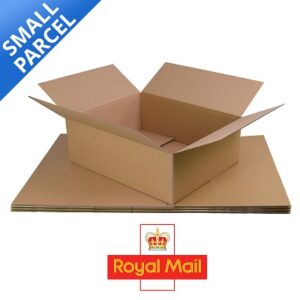
Why do so many businesses use them?
- Available in various sizes
- Easy to assemble
- Suitable for many products
- Work well with protective fillers
One tip I’d always give is to avoid oversized boxes. Space means more movement, and more movement usually means more chance of damage.
Large Letter Boxes
Not every order needs a large carton. Slim products are often better protected in large letter boxes and can also help keep postage costs down.
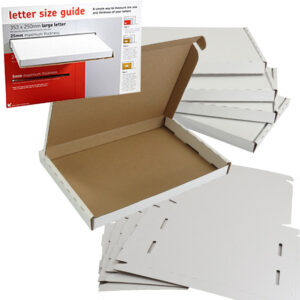
They’re commonly used for:
- Books and notebooks
- Phone accessories
- Cosmetics
- Greetings cards
Why Are Specialist Boxes Worth Considering?
Some products need packaging that’s been designed around their shape.
Golf Club Boxes
Long items can be awkward to ship, especially if you’re trying to fit them into a standard carton. Golf club boxes are made for exactly this purpose.
They’re useful because they:
- Support longer products
- Reduce movement
- Allow room for cushioning
- Help prevent bending during transit.
Choosing a box that’s made for the product is often the simplest way to reduce damage before the parcel even leaves your packing bench.
Which Boxes Work Best for Bigger Items?
Once you start packing larger products, you quickly realise that a standard box isn’t always the answer. Heavier or bulky items need extra support, and choosing the right carton can save you from dealing with damaged deliveries later.
Wardrobe Boxes
If you’ve ever moved house, you’ve probably come across wardrobe boxes. Instead of folding clothes into suitcases or cartons, you hang them in the box and move them as is.
They’re a great option because they:
- Keep clothes hanging neatly
- Help prevent creases
- Protect delicate fabrics
- Make unpacking much easier
They’re not just for removals. Fashion retailers also use them when sending suits, dresses and formal wear.
Double Wall Boxes
Some shipments need a stronger box from the very beginning. Heavy tools, kitchen appliances and fragile products can easily put pressure on ordinary cartons.
That’s where double wall boxes make a difference.
They’re popular because they:
- Handle heavier products
- Resist crushing during transport
- Add extra strength
- Give better protection on longer journeys
It’s a small upgrade that can prevent expensive replacements later.
Archive Boxes
Not every box is designed to travel. Archive boxes are mainly used to store paperwork, files and business records safely.
They’re useful because they:
- Stack neatly
- Protect important documents
- Keep records organised
- Save storage space
Why Choosing the Right Box Makes Packing Easier?
One mistake I still notice is people using the biggest box they can find. It feels like the safer option, but it often has the opposite effect. When products have too much room to move, they’re more likely to get damaged.
Matching the box to the product usually means you need less filler and creates a neater, more secure parcel.
| Product | Recommended Box |
| Everyday online orders | Parcel Boxes |
| Small flat items | Large Letter Boxes |
| Books | Book Wrap Mailers |
| Sports equipment | Golf Club Boxes |
| Hanging garments | Wardrobe Boxes |
| Heavy products | Double Wall Boxes |
| Documents | Archive Boxes |
Final Thoughts
There isn’t a single box that’s perfect for every shipment, and that’s exactly why choosing matters carefully. The right box, paired with suitable packaging materials, helps protect products from the moment they’re packed until they reach the customer. A little extra thought before sealing the parcel can reduce damage, improve customer satisfaction and even lower packaging costs over time.
FAQs
- Why is choosing the right box important?
It helps reduce product movement and lowers the risk of damage during delivery. - Are double wall boxes necessary for every shipment?
No. They’re best suited to heavier or more fragile products. - When should I use wardrobe boxes?
They’re ideal for transporting hanging garments without folding them. - Are large letter boxes only for letters?
No. They’re also suitable for books, stationery and other slim products. - What’s the most common packaging mistake?
Using a box that’s too large, leaving the product free to move during transit.