
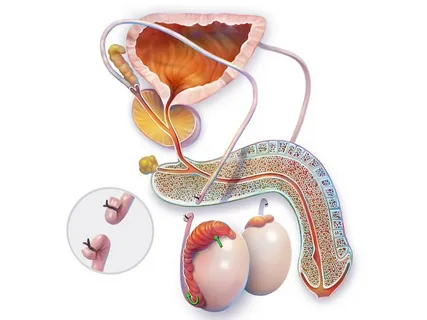
No Scalpel Vasectomy has become one of the most widely preferred methods of permanent male contraception due to its effectiveness, safety, and minimally invasive nature. Unlike conventional vasectomy techniques that require surgical incisions, No Scalpel Vasectomy uses a specialized instrument to create a tiny opening in the scrotal skin. This innovative approach significantly reduces tissue damage, leading to faster recovery, less discomfort, and fewer complications. One of the primary reasons patients and healthcare providers favor this procedure is its ability to achieve successful sterilization while causing minimal tissue trauma.
Understanding No Scalpel Vasectomy
A vasectomy is a surgical procedure designed to prevent sperm from entering the semen. During a No Scalpel Vasectomy, the vas deferens—the tubes that transport sperm from the testes—are isolated through a small puncture rather than a traditional incision. Once accessed, the vas deferens are cut, sealed, or otherwise blocked to prevent sperm from reaching the ejaculate.
The technique was first developed to reduce the complications associated with conventional vasectomy procedures. Since its introduction, it has gained worldwide acceptance due to its patient-friendly approach and excellent clinical outcomes.
What Is Minimal Tissue Trauma?
Minimal tissue trauma refers to the reduction of damage to skin, blood vessels, nerves, and surrounding tissues during a medical procedure. Surgical trauma can lead to inflammation, pain, bruising, bleeding, and extended healing times. The goal of minimally invasive techniques is to preserve as much healthy tissue as possible while achieving the desired medical outcome.
No Scalpel Vasectomy excels in this regard because it avoids the larger incisions used in traditional surgical methods. Instead, a tiny puncture opening is stretched just enough to access the vas deferens. As a result, surrounding tissues remain largely undisturbed.
How No Scalpel Vasectomy Reduces Tissue Damage
Several aspects of the procedure contribute to minimal tissue trauma:
Small Skin Opening
Traditional vasectomy methods often require one or two incisions made with a scalpel. These cuts may damage skin, blood vessels, and connective tissues. In contrast, No Scalpel Vasectomy creates a small puncture that usually does not require stitches.
The smaller opening results in:
- Less bleeding
- Reduced swelling
- Lower risk of infection
- Faster wound healing
Reduced Blood Vessel Injury
The specialized instruments used during No Scalpel Vasectomy allow surgeons to gently separate tissues rather than cutting through them. This approach minimizes injury to blood vessels and helps prevent excessive bruising or hematoma formation.
Limited Nerve Disturbance
Because the procedure involves less cutting and dissection, nearby nerve structures are less likely to be affected. Patients often report lower pain levels during and after the procedure compared with conventional vasectomy techniques.
Precise Surgical Access
The technique enables direct access to the vas deferens through a small opening. This precision reduces unnecessary manipulation of surrounding tissues, which contributes to a smoother recovery process.
Benefits of Minimal Tissue Trauma
The reduced tissue damage associated with No Scalpel Vasectomy offers several significant benefits for patients.
Faster Recovery
Since the body has less tissue damage to repair, healing occurs more rapidly. Many patients return to desk work and light activities within a few days. Recovery times are often shorter than those associated with traditional vasectomy procedures.
Less Postoperative Pain
Pain following surgery is often linked to tissue injury and inflammation. Because No Scalpel Vasectomy causes minimal disruption to surrounding tissues, most patients experience only mild discomfort that can be managed with over-the-counter pain relievers.
Reduced Swelling and Bruising
Inflammation is a natural response to tissue damage. With less damage occurring during the procedure, postoperative swelling and bruising are typically minimal.
Lower Infection Risk
Smaller wounds generally carry a lower risk of infection. The tiny puncture opening used in No Scalpel Vasectomy often closes naturally without sutures, reducing opportunities for bacterial contamination.
Improved Patient Satisfaction
The combination of reduced pain, faster recovery, and fewer complications contributes to high levels of patient satisfaction. Many men appreciate the convenience and minimal disruption to daily life.
Clinical Evidence Supporting the Technique
Numerous clinical studies have demonstrated that No Scalpel Vasectomy is associated with fewer complications compared with conventional vasectomy techniques. Research consistently shows lower rates of bleeding, infection, hematoma formation, and postoperative discomfort.
Healthcare organizations around the world recognize No Scalpel Vasectomy as a highly effective and safe method of permanent contraception. The procedure maintains contraceptive effectiveness while significantly reducing surgical trauma.
Success rates remain extremely high, making it one of the most reliable forms of birth control available for men.
Recovery Expectations
Most patients experience a straightforward recovery following No Scalpel Vasectomy. Common recommendations include:
- Resting for 24 to 48 hours
- Applying ice packs intermittently
- Wearing supportive underwear
- Avoiding strenuous exercise for several days
- Following physician instructions regarding wound care
Minor soreness and swelling may occur but generally resolve quickly. Most men can resume normal activities within a week, although individual recovery times vary.
Importantly, sterility is not immediate. Patients must continue using alternative contraception until follow-up semen analysis confirms the absence of sperm.
Long-Term Outcomes
The minimal tissue trauma associated with No Scalpel Vasectomy does not compromise its long-term effectiveness. The procedure remains one of the most dependable forms of permanent contraception.
Long-term complications are uncommon, and most patients report excellent satisfaction years after the procedure. The reduced surgical trauma may also contribute to a lower incidence of certain postoperative complications compared with traditional techniques.
As medical technology continues to evolve, the principles of minimizing tissue injury remain central to improving patient outcomes. No Scalpel Vasectomy represents an excellent example of how surgical innovation can enhance both safety and comfort.
Conclusion
No Scalpel Vasectomy has transformed male sterilization by prioritizing minimal tissue trauma without sacrificing effectiveness. Through the use of a tiny puncture opening, precise surgical techniques, and specialized instruments, the procedure minimizes damage to surrounding tissues. This reduction in tissue trauma leads to less pain, faster recovery, fewer complications, and high patient satisfaction.
For men seeking a permanent contraceptive solution, No Scalpel Vasectomy offers a safe, efficient, and minimally invasive option. Its ability to achieve reliable sterilization while preserving healthy tissue makes it one of the most advanced and patient-centered approaches available in modern urology.
FAQs
1. Why does No Scalpel Vasectomy cause less tissue trauma than traditional vasectomy?
No Scalpel Vasectomy uses a small puncture instead of surgical incisions. This approach reduces damage to skin, blood vessels, nerves, and surrounding tissues, resulting in less pain, bleeding, and swelling.
2. Does minimal tissue trauma mean a faster recovery?
Yes. Because there is less tissue damage for the body to repair, most patients experience quicker healing and can return to normal activities sooner than with traditional vasectomy methods.
3. Is No Scalpel Vasectomy as effective as a conventional vasectomy?
Yes. No Scalpel Vasectomy provides the same high level of contraceptive effectiveness as traditional vasectomy techniques while offering the additional benefits of reduced tissue trauma and fewer complications.