
Acne scarring affects nearly half of all people. The frustrating part is that so much of this damage is preventable. While genetics and acne severity do play a role, the habits and product choices made during and after a breakout can either support proper healing or deepen the marks left behind. Understanding those missteps matters far more than most people realize, and knowing how to correct them can meaningfully change the skin’s long-term trajectory.
Why Acne Scars Form in the First Place
Before getting into what worsens scarring, it helps to understand the underlying biology. When a breakout triggers significant inflammation in the dermis, the skin’s wound-healing response produces collagen to repair the damaged tissue. The problem is that this process is rarely perfect – overproduction leads to raised hypertrophic or keloidal scars, while underproduction results in the sunken, atrophic depressions more commonly seen in post-acne skin.
Post-inflammatory hyperpigmentation (PIH) is a separate but often co-occurring issue, caused by excess melanin deposition at the site of inflammation. It is not true scarring in the structural sense, but it behaves like it visually and responds to similar corrective approaches. Both conditions become harder to treat when the initial injury is poorly managed.
The Mistakes That Make Acne Scarring Significantly Worse
1. Picking, Squeezing, or Rupturing Active Lesions
This is the single most damaging habit. When a papule or pustule is manually ruptured before it has fully matured, the contents including Cutibacterium acnes bacteria, sebum, and inflammatory mediators are forced deeper into the surrounding tissue. This extends the inflammatory phase well beyond what the lesion would have caused on its own, dramatically increasing the likelihood of atrophic scar formation. The mechanical trauma also disrupts the early stages of dermal repair, leaving the extracellular matrix disorganized as it heals.
2. Skipping Broad-Spectrum SPF Daily
UV exposure is one of the most consistent drivers of PIH persistence. UV radiation stimulates melanocyte activity, causing the pigmented marks left behind by acne to darken and expand. Research consistently shows that unprotected sun exposure during the post-inflammatory phase can extend the visible lifespan of these marks by months. A broad-spectrum SPF 30 or higher, applied every morning regardless of cloud cover or indoor activity, is non-negotiable during any scar treatment phase.
3. Over-Exfoliating the Skin Barrier
There’s a widely misunderstood idea in acne-prone skincare that more exfoliation leads to faster clearing. In reality, aggressive or overly frequent exfoliation, whether mechanical scrubs or high-concentration acids applied too often, compromises the stratum corneum’s integrity. A damaged skin barrier increases transepidermal water loss (TEWL), triggers rebound inflammation, and leaves skin more vulnerable to environmental stressors. Any of these can trigger new breakouts and reactivate the hyperpigmentation cycle in already-scarred areas.
4. Neglecting Post-Acne Skin with No Active Treatment
Doing nothing after a breakout resolves is a missed opportunity. The post-inflammatory window, the weeks immediately following active acne, is when targeted interventions are most effective. Melanin is freshest and most responsive to brightening actives. Dermal fibroblasts are still in an active remodeling phase, meaning collagen-stimulating ingredients can influence the final outcome. Waiting months or years before addressing scars allows the discoloration to become more entrenched and the atrophic depressions to become more defined.
5. Using Harsh, Sensitizing Actives During Active Inflammation
Reaching for the strongest available actives, high-strength glycolic acid, undiluted retinoids, or high-percentage vitamin C formulations, on skin that is still actively inflamed can cause significant irritation. Irritation on post-breakout skin triggers the same melanin-producing cascade that the original acne initiated, adding fresh PIH on top of healing tissue. This is one reason why large-molecule alpha hydroxy acids with a gentler penetration profile tend to perform better on sensitized or darker skin tones during the active scar treatment phase.
6. Ignoring Moisture and Barrier Repair
Hydration plays a direct role in scar resolution. Skin that remains well-hydrated heals more efficiently – dermal fibroblasts function optimally in a moist environment, and adequate hyaluronic acid levels within the dermis support the structural remodeling that softens atrophic marks over time. Stripping the skin of moisture, common with alcohol-heavy toners and foaming cleansers with disruptive surfactants, actively works against the healing process.
How Targeted Acid Chemistry Can Support Scar Recovery
The molecular architecture of an acid determines how deeply and rapidly it penetrates the epidermis, and therefore how much inflammatory risk it carries. Glycolic acid, with its small molecular weight, absorbs quickly and broadly, effective for skin that can tolerate it, but too aggressive for actively sensitized skin. A well-formulated mandelic acid serum occupies a different position in this landscape.
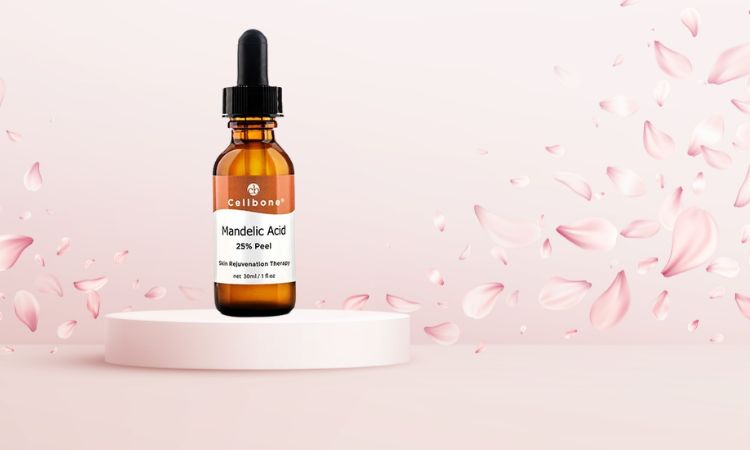
Mandelic acid is an alpha hydroxy acid with a notably larger molecular size than glycolic acid, which translates into slower, more controlled penetration through the epidermis. This makes it far less likely to provoke the kind of acute inflammatory response that can compound post-inflammatory hyperpigmentation. At the same time, it accelerates keratinocyte shedding at the skin surface, supporting cell turnover and gradually fading PIH while also carrying mild antibacterial properties that help prevent new breakouts from disrupting the healing skin.
Glycolic acid sits at the smallest end of the AHA molecular spectrum, it penetrates quickly and broadly, making it effective for resilient skin but too aggressive for actively sensitized or deeper skin tones where PIH risk is elevated. Lactic acid occupies the middle ground: a moderate molecular size, a gentler penetration rate, and a reasonable fit for dry or mildly sensitive skin. Mandelic acid, with the largest molecular weight of the three, absorbs slowly and in a controlled manner, which is precisely why it performs so well on sensitized, acne-prone skin and on Fitzpatrick types III through VI, where fast-penetrating acids can trigger the very hyperpigmentation they are meant to treat.
A skin peel serum formulated around mandelic acid or a combination of gentle AHAs can serve as a structured approach to resurfacing post-acne skin without triggering setbacks, particularly when introduced gradually and layered with solid barrier support.
The Bottom Line
Acne scarring is rarely the result of acne, it is the cumulative outcome of how the skin is treated during and after each breakout. Picking at lesions, skipping sun protection, over-exfoliating with the wrong actives, and neglecting barrier repair all compound the damage that inflammation begins. A measured, biologically informed approach – one that prioritizes the skin’s healing environment over aggressive correction tends to produce the most durable improvements over time.
Frequently Asked Questions
Does popping pimples always cause scarring?
Not always, but it significantly raises the risk. Rupturing a lesion before it is ready forces inflammatory material deeper into the dermis and extends the healing timeline, both of which increase scar probability, especially for deeper nodular or cystic acne.
Can sunscreen actually fade existing acne marks?
Sunscreen does not fade PIH on its own, but it prevents UV-driven darkening that would otherwise deepen and prolong existing marks. Think of it as protecting the progress made by active brightening ingredients.
How often should a mandelic acid serum be used for post-acne skin?
Starting two to three nights per week is appropriate for most skin types. This allows the skin to acclimate before frequency is increased, and it avoids the over-exfoliation trap that can set back scar recovery.
Is mandelic acid safe for darker skin tones?
It is generally considered one of the safer AHA options for deeper skin tones because its larger molecular size limits rapid penetration and reduces the risk of triggering post-inflammatory hyperpigmentation during the treatment process itself.
Can over-moisturizing slow acne scar healing?
Adequate hydration supports healing, but heavy, comedogenic moisturizers can trigger new breakouts in acne-prone skin, which would restart the inflammation-scarring cycle. Lightweight, non-comedogenic formulas with ceramides or sodium hyaluronate are more appropriate choices.
To Read More blogs: https://proaiarticles.com/