
What Is a Loan Management System (LMS) and Why Do You Need One
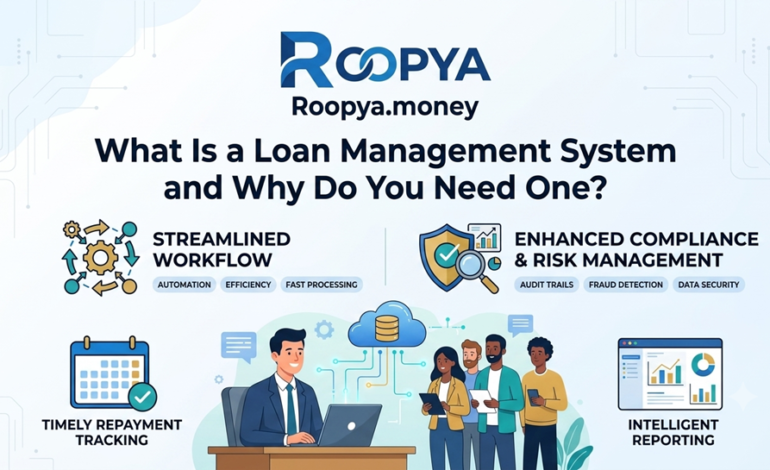
The lending industry has undergone a massive digital transformation over the last decade. Traditional paper-based lending processes are rapidly being replaced by intelligent software solutions that automate loan servicing, repayment tracking, collections, borrower communication, compliance management, and reporting.
Whether you are an NBFC, bank, microfinance institution, fintech startup, housing finance company, or digital lender, managing loans manually is no longer sustainable. As loan portfolios grow, organizations require a centralized platform capable of handling the entire lending lifecycle efficiently.
This is where a Loan Management System (LMS) becomes essential.
A Loan Management System is a software platform designed to automate and manage every stage of the post-disbursement loan lifecycle, including EMI tracking, repayment management, collections, customer servicing, reporting, compliance, and portfolio monitoring. Modern LMS platforms also integrate with Loan Origination Systems (LOS), creating a complete end-to-end digital lending ecosystem.
According to Roopya’s lending platform, modern lenders increasingly rely on cloud-native lending systems that automate onboarding, disbursement, repayment management, collections, analytics, and borrower servicing through a single platform.
What Is a Loan Management System (LMS)?
A Loan Management System (LMS) is a centralized software solution that helps lenders manage loans after disbursement. It automates loan servicing activities and ensures accurate tracking of repayments, interest calculations, penalties, collections, and customer interactions.
Simply put, once a loan is approved and disbursed, the LMS takes over.
The system manages:
- EMI schedules
- Interest calculations
- Repayment tracking
- Collections management
- Customer communication
- Loan restructuring
- Foreclosure management
- Compliance monitoring
- Portfolio reporting
Modern LMS platforms eliminate manual spreadsheets, disconnected systems, and repetitive operational tasks, allowing lenders to scale efficiently while reducing operational costs.
How Does a Loan Management System Work?
A modern LMS manages the complete post-disbursement lifecycle through several automated stages.
1. Loan Account Creation
After loan approval, the LMS automatically creates a borrower account containing:
- Borrower details
- Loan amount
- Interest rate
- Tenure
- Repayment schedule
- Loan documents
All information is stored digitally and can be accessed instantly.
2. EMI Schedule Generation
The system automatically generates amortization schedules and EMI plans.
This includes:
- Principal breakup
- Interest breakup
- Due dates
- Outstanding balances
- Future repayment schedules
Advanced systems can support:
- Reducing balance interest
- Flat-rate interest
- Moratorium periods
- Step-up EMIs
- Balloon payments
3. Repayment Processing
The LMS tracks every repayment made by borrowers.
Supported payment methods include:
- UPI
- NACH
- eNACH
- Net Banking
- NEFT
- RTGS
- Debit Cards
- Payment Gateways
Payments are automatically reconciled and reflected in borrower accounts.
4. Collections Management
If borrowers miss payments, the LMS automatically initiates collection workflows.
This includes:
- SMS reminders
- WhatsApp alerts
- Email notifications
- Collection agent assignments
- Escalation workflows
Automation improves collection efficiency and reduces delinquency rates.
5. Reporting & Analytics
Real-time dashboards provide visibility into:
- Loan performance
- Collection efficiency
- Delinquency trends
- NPA risks
- Portfolio health
- Recovery rates
These insights help lenders make informed business decisions.
Why Is Loan Management Software Important?
Traditional loan servicing methods involve significant manual effort.
Common challenges include:
- Spreadsheet-based tracking
- Human errors
- Delayed collections
- Inaccurate reporting
- Compliance risks
- Poor customer experience
A Loan Management System addresses these issues through automation and centralized management. Digital lending platforms significantly improve operational efficiency, borrower experience, loan monitoring, and collection performance.
Key Features of a Modern Loan Management System
Loan Lifecycle Management
An LMS should manage:
- Loan onboarding
- Loan servicing
- Repayments
- Collections
- Closures
- Foreclosures
Everything should be accessible from a single dashboard.
EMI Management
Automated EMI management includes:
- Schedule creation
- Due-date reminders
- Payment reconciliation
- Interest calculations
- Penalty calculations
Collection Management
A robust LMS includes:
- Collection workflows
- DPD tracking
- Agent assignment
- Promise-to-pay tracking
- Settlement management
Borrower Self-Service Portal
Borrowers should be able to:
- View loan details
- Download statements
- Make payments
- Raise support requests
- Track loan balances
This reduces support workload and improves customer satisfaction.
Document Management
Store and manage:
- Loan agreements
- KYC documents
- Payment receipts
- Collection records
Digital storage eliminates paperwork.
Risk Monitoring
Advanced platforms provide:
- Delinquency prediction
- Risk scoring
- Early warning signals
- Portfolio monitoring
Compliance Management
Compliance features include:
- Audit trails
- Data security
- RBI compliance support
- Role-based access control
Analytics Dashboard
Real-time reporting should include:
- Collection performance
- Recovery rates
- Portfolio growth
- Branch performance
- Loan quality metrics
Benefits of Loan Management Systems
Faster Operations
Automation reduces processing time significantly.
Tasks that once required hours can now be completed within minutes.
Reduced Operational Costs
Manual processes require large teams.
An LMS automates repetitive activities, reducing staffing costs and operational overhead.
Improved Collection Efficiency
Automated reminders and collection workflows improve repayment rates.
Many lenders experience significant improvements in collection performance after implementing digital lending systems.
Better Customer Experience
Modern borrowers expect:
- Digital access
- Instant updates
- Online payments
- Self-service options
An LMS delivers these capabilities seamlessly.
Lower Risk
Advanced analytics help identify:
- High-risk borrowers
- Delinquency trends
- Potential defaults
This enables proactive intervention.
Scalability
Cloud-based systems allow lenders to scale from hundreds to millions of loan accounts without infrastructure challenges.
Industries That Need Loan Management Systems
NBFCs
NBFCs use LMS platforms for:
- Personal loans
- Business loans
- Vehicle loans
- Gold loans
- Consumer loans
Banks
Banks require LMS solutions for:
- Retail lending
- Corporate lending
- Mortgage servicing
- Auto finance
Fintech Companies
Digital lenders use LMS software to automate lending operations and support rapid growth.
Microfinance Institutions
MFIs require specialized functionality for:
- Group lending
- Rural collections
- Field operations
- Small-ticket loans
Housing Finance Companies
HFCs use LMS solutions for:
- Home loans
- Loan servicing
- Interest calculations
- Compliance management
LMS vs LOS: What’s the Difference?
Many lenders confuse LMS with LOS.
Loan Origination System (LOS)
A Loan Origination System manages:
- Lead capture
- Application processing
- KYC verification
- Credit assessment
- Underwriting
- Approval
- Disbursement
Loan Management System (LMS)
A Loan Management System manages:
- EMI tracking
- Repayment management
- Collections
- Customer servicing
- Reporting
- Loan closure
Simply put:
LOS = Before Disbursement
LMS = After Disbursement
The most effective lending organizations use both systems as part of a unified digital lending platform. Roopya integrates LOS and LMS into a single ecosystem for end-to-end lending management.
AI-Powered Loan Management Systems
Artificial Intelligence is transforming lending.
Modern LMS platforms leverage AI for:
- Default prediction
- Fraud detection
- Collection optimization
- Customer segmentation
- Risk monitoring
- Portfolio analysis
AI-powered lending systems help lenders reduce NPAs, improve collection rates, and make smarter business decisions.
Cloud-Based LMS vs Traditional LMS
Traditional Systems
Challenges include:
- High infrastructure costs
- Limited scalability
- Complex maintenance
- Slow upgrades
Cloud-Based LMS
Benefits include:
- Lower costs
- Faster deployment
- High scalability
- Remote access
- Automatic updates
- Enhanced security
Most modern lenders now prefer cloud-native lending platforms because they support rapid growth and digital transformation.
How to Choose the Right Loan Management System
When evaluating LMS software, consider:
Automation Capabilities
Look for:
- Workflow automation
- EMI automation
- Collection automation
Integration Options
The platform should integrate with:
- Banking systems
- Payment gateways
- Credit bureaus
- Accounting software
Security
Ensure:
- Data encryption
- Role-based access
- Audit logs
- Compliance controls
Scalability
Choose a solution capable of supporting future growth.
Reporting Features
Real-time analytics and customizable dashboards are essential.
User Experience
The system should be easy to use for both staff and borrowers.
Why Choose Roopya Loan Management System?
Roopya provides a next-generation AI-powered Loan Management System designed specifically for Indian lenders.
Key capabilities include:
- End-to-end loan lifecycle management
- Automated EMI processing
- Collection management
- AI-powered risk monitoring
- Cloud-native architecture
- Borrower self-service portal
- RBI-ready compliance support
- Advanced reporting and analytics
- Multi-channel payment integrations
- Seamless LOS + LMS integration
Roopya helps lenders reduce operational costs, improve collections, enhance borrower experiences, and scale lending operations efficiently.
A Loan Management System is no longer a luxury—it is a necessity for modern lenders. As competition increases and borrowers expect seamless digital experiences, lenders need intelligent systems that automate operations, improve collections, reduce risk, and enhance customer satisfaction.
Whether you are an NBFC, bank, fintech company, microfinance institution, or housing finance provider, investing in a modern LMS can transform your lending operations and accelerate business growth.
The future of lending belongs to organizations that embrace automation, AI-driven decision-making, cloud technology, and digital borrower experiences. A robust Loan Management System provides the foundation for that future.
FAQ Section
1. What is a Loan Management System (LMS)?
A Loan Management System is software that automates loan servicing, EMI tracking, repayment management, collections, reporting, and borrower communication after loan disbursement.
2. What is the difference between LOS and LMS?
LOS manages loan origination before disbursement, while LMS manages repayment and servicing after disbursement.
3. Why do NBFCs need Loan Management Software?
NBFCs use LMS software to automate collections, track repayments, reduce manual work, improve compliance, and scale operations.
4. Can a Loan Management System improve collections?
Yes. Automated reminders, collection workflows, AI-based risk alerts, and payment integrations significantly improve collection efficiency.
5. Is cloud-based LMS better than traditional software?
Yes. Cloud-based LMS platforms offer better scalability, lower costs, faster deployment, and remote accessibility.
6. Does LMS support RBI compliance requirements?
Modern LMS platforms include audit trails, access controls, KYC workflows, reporting, and compliance monitoring features.
7. Can LMS integrate with payment gateways?
Yes. Most modern LMS solutions integrate with UPI, NACH, eNACH, banking systems, and payment gateways.
8. Which industries use Loan Management Systems?
NBFCs, banks, fintech companies, MFIs, housing finance companies, cooperative banks, and digital lenders commonly use LMS software.