How to Pick the Best Himalayan Salt Supplier from Pakistan
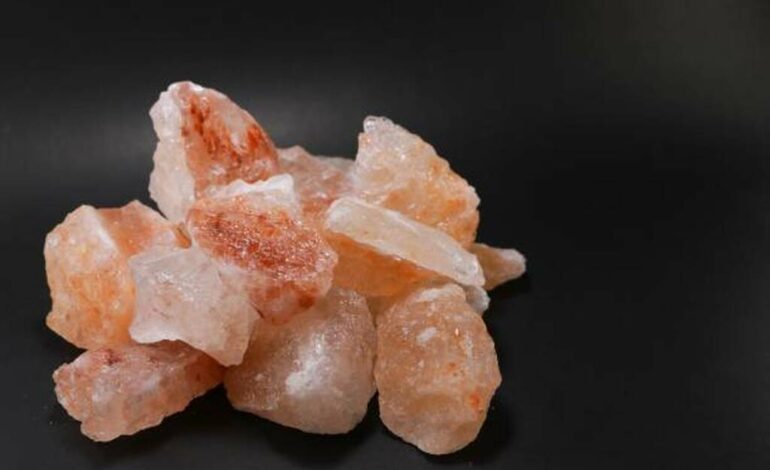
Pink salt has moved far beyond the kitchen shelf. It now shows up in spa treatments, decorative lamps, bath soaks, and gourmet cooking around the world. Most of this salt traces back to one source: the Khewra Salt Mine in Punjab, Pakistan, one of the largest and oldest salt deposits on earth. Because of this, sourcing decisions matter a great deal to buyers, retailers, and wholesalers who want a product that is genuine, properly processed, and consistent in quality. Finding the best Himalayan salt exporter Pakistan has to offer is not always straightforward, especially when the market is crowded with suppliers making similar claims. This guide walks through the practical factors that separate a reliable supplier from one that simply looks good on paper.
Understanding the Himalayan Salt Supply Chain
Before evaluating suppliers, it helps to understand how this salt moves from the mine to the marketplace. Himalayan pink salt is extracted by hand or machine from underground seams, then transported to processing facilities where it is crushed, sorted, washed (in some cases), and graded according to size and color. From there, it is packaged for retail, food service, or industrial use, or shaped into items like lamps, cooking blocks, and bath products.
Where the Salt Actually Comes From
Genuine Himalayan salt originates almost exclusively from the Khewra region in Pakistan’s Punjab province, with the Salt Range extending across several nearby areas. Buyers should be aware that some sellers market salt as “Himalayan” when it was mined elsewhere or blended with other rock salt. A transparent supplier will be able to specify the mining region and, ideally, provide documentation tracing the product back to its origin.
How Processing Affects Quality
Not all salt processing is equal. Some facilities use modern washing and drying systems that remove dust and impurities while preserving mineral content, while others rely on more basic methods. The processing stage also determines particle size consistency, which matters for buyers who need fine table salt, coarse grinding salt, or large blocks for cooking and decor. Understanding a supplier’s processing standards gives a clearer picture of what the finished product will actually look and perform like.
Key Criteria for Evaluating a Supplier
Once the supply chain is clear, the next step is comparing suppliers against a consistent set of criteria. This is where many buyers struggle, because marketing claims often sound similar across the board. Looking past the surface-level pitch and asking specific questions is the only way to identify the best Himalayan salt exporter Pakistan has available for a particular need.
Certifications and Lab Testing
Reputable suppliers typically have documentation such as ISO certification, HACCP compliance for food-grade products, or third-party lab reports confirming mineral composition and purity. These certifications are not just paperwork; they indicate that a facility follows consistent quality control processes and that the salt has been tested for contaminants. Buyers sourcing for food, cosmetic, or therapeutic use should always request current lab results rather than relying on generic claims printed on a website.
Production Capacity and Consistency
A supplier’s ability to fulfill orders reliably, batch after batch, says a lot about their operational maturity. Smaller operations may produce high-quality salt but struggle with consistent volume or lead times. Larger, established exporters tend to have more standardized processes, which reduces the risk of variation between shipments. Asking about minimum order quantities, average turnaround times, and how they handle quality control across large batches can reveal a lot about day-to-day reliability.
Range of Products Offered
Himalayan salt is used in many forms: granules of various sizes, blocks for cooking or carving, decorative lamps, bath salts, and even edible salt sheets. A supplier with a wide and well-organized product range often reflects deeper expertise in handling the raw material across different applications. This breadth can also be a practical advantage for buyers who may want to diversify their offerings later without switching suppliers.
Red Flags to Watch Out For
Even with a strong understanding of what to look for, it is just as important to recognize warning signs that suggest a supplier may not meet expectations. Spotting these early can save significant time and money.
Inconsistent or Vague Sourcing Information
If a supplier cannot clearly explain where their salt is mined, how it is processed, or provide any documentation upon request, that vagueness is a signal worth taking seriously. Genuine Himalayan salt suppliers, particularly those with experience working internationally, are usually well-practiced at answering sourcing questions clearly and confidently because they deal with such inquiries regularly.
Unrealistic Pricing
Salt that is priced dramatically lower than the general market average often indicates shortcuts somewhere in the process, whether that’s reduced quality control, blended or substituted material, or unreliable packaging. While price is always a factor, an unusually low quote should prompt closer scrutiny rather than immediate excitement. Comparing several quotes from different sources helps establish what a reasonable price range actually looks like.
Lack of Communication or Documentation
International trade involves a fair amount of paperwork: certificates of origin, health certificates, packing lists, and shipping documentation. A supplier who is slow, evasive, or disorganized about providing these documents can create costly delays at customs or quality disputes later. Clear, prompt communication during the inquiry stage is often a good predictor of how a working relationship will go once an order is placed.
Practical Steps Before Finalizing a Supplier
After narrowing down a shortlist, a few practical steps can help confirm that a supplier is truly a good fit.
Requesting Samples
Before committing to a large order, requesting product samples allows for a direct evaluation of color consistency, grain size, mineral content, and overall quality. This is a standard practice in the industry and a supplier should not hesitate to accommodate reasonable sample requests.
Reviewing Past Trade History
Where possible, checking a supplier’s export history, trade references, or platform reviews can offer insight into their track record with other international buyers. Patterns in feedback, whether positive or negative, tend to reveal more than a single conversation ever could.
Final Thoughts
Choosing a Himalayan salt supplier is ultimately about balancing transparency, documentation, consistency, and communication. The market includes a wide range of operators, from small-scale processors to large, well-established exporters, and the right choice depends heavily on the buyer’s specific needs, whether that’s food-grade granules, decorative lamps, or bulk industrial salt. By focusing on verifiable sourcing, proper certifications, sample testing, and clear communication, buyers can make a far more informed decision. Taking the time to evaluate these factors carefully is the most reliable way to identify the best Himalayan salt exporter Pakistan has to offer for a long-term, dependable sourcing relationship.