Difference Between Measles and Chickenpox: Symptoms, and treatment
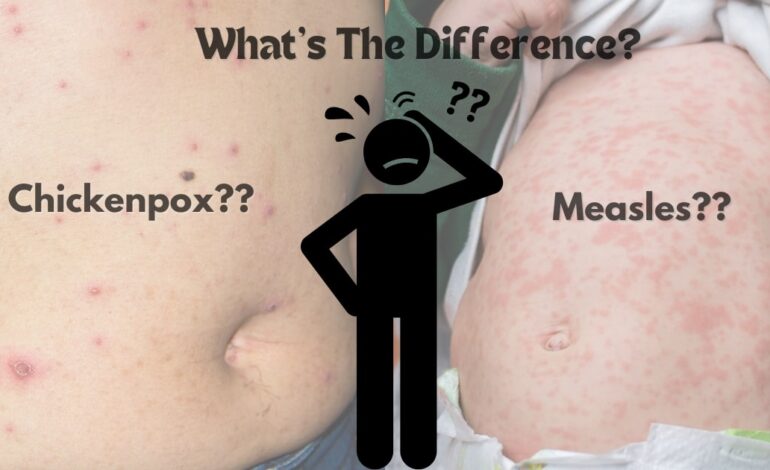
Many people confuse measles and chickenpox because both are contagious viral illnesses that often cause fever and skin rashes. However, understanding the difference between measles and chickenpox is important because these infections are caused by different viruses, spread differently, and require different approaches to treatment and prevention.
Recognizing the symptoms early can help prevent complications and reduce the spread of infection to others. Family Urgent Care provides evaluation and treatment for common viral illnesses, including conditions that cause fever and rashes, helping patients receive timely medical care when symptoms develop.
This guide explains the difference between measles and chickenpox, including their symptoms, causes, complications, treatment options, and when you should seek medical attention.
What Is Measles?
Measles is a highly contagious viral disease caused by the rubeola virus. It spreads through respiratory droplets released when an infected person coughs or sneezes. The virus can remain in the air or on surfaces for several hours, making it one of the most contagious infectious diseases.
Common measles symptoms include:
- High fever
- Persistent cough
- Runny nose
- Red, watery eyes
- Fatigue
- White spots inside the mouth (Koplik spots)
- Flat red rash that usually begins on the face
The rash generally appears three to five days after the first symptoms and spreads downward to the neck, chest, arms, and legs.
What Is Chickenpox?
Chickenpox is caused by the varicella-zoster virus (VZV). Although vaccination has greatly reduced the number of cases, chickenpox can still occur in children and adults who have not been vaccinated or previously infected.
Typical chickenpox symptoms include:
- Mild to moderate fever
- Tiredness
- Loss of appetite
- Headache
- Itchy red spots
- Fluid-filled blisters
- Scabs that develop as the blisters heal
Unlike measles, chickenpox usually begins on the chest, back, or abdomen before spreading to the face and the rest of the body.
Difference Between Measles and Chickenpox
Understanding the difference between measles and chickenpox becomes easier when comparing their key characteristics.
1. The Virus That Causes the Infection
- Measles: Caused by the rubeola virus.
- Chickenpox: Caused by the varicella-zoster virus.
Although both are viral infections, they are completely different diseases.
2. Rash Appearance
The rash is one of the easiest ways to identify the difference between measles and chickenpox.
Measles rash:
- Flat red spots
- Usually not itchy
- Begins on the face
- Spreads downward across the body
Chickenpox rash:
- Raised red bumps
- Develop into fluid-filled blisters
- Extremely itchy
- Appears in different stages at the same time
Family Urgent Care explains that chickenpox blisters eventually dry out and form scabs, while measles causes a flat red rash without blisters.
3. Early Symptoms
Measles usually starts with respiratory symptoms such as:
- High fever
- Runny nose
- Cough
- Red eyes
Chickenpox often begins with:
- Mild fever
- Fatigue
- Headache
- Loss of appetite
The rash usually appears earlier in chickenpox than it does in measles.
4. Severity
Both illnesses can become serious, but measles generally carries a higher risk of severe complications, particularly in infants, pregnant women, and individuals with weakened immune systems.
Possible measles complications include:
- Pneumonia
- Ear infections
- Brain inflammation (encephalitis)
- Severe dehydration
Chickenpox complications may include:
- Skin infections
- Pneumonia
- Scarring
- Secondary bacterial infections
How Are These Illnesses Diagnosed?
Healthcare providers usually diagnose measles or chickenpox through:
- Physical examination
- Medical history
- Evaluation of the rash
- Laboratory testing when necessary
Early diagnosis helps ensure proper treatment and prevents unnecessary exposure to others.
Treatment Options
Neither illness has a cure, but treatment focuses on relieving symptoms and preventing complications.
Treatment may include:
For Measles
- Rest
- Plenty of fluids
- Fever-reducing medication
- Vitamin A supplementation in selected patients
- Monitoring for complications
For Chickenpox
- Anti-itch lotions
- Antihistamines
- Fever reducers
- Antiviral medication for high-risk individuals
- Adequate hydration
Most patients recover completely with supportive care, although severe cases may require hospitalization.
Prevention Tips
The best protection against both illnesses is vaccination.
Helpful prevention strategies include:
- Stay up to date with recommended vaccines.
- Wash your hands frequently.
- Avoid close contact with infected individuals.
- Cover coughs and sneezes.
- Stay home while contagious.
Vaccination remains the most effective way to reduce the risk of measles and chickenpox.
When Should You See a Healthcare Provider?
Seek medical care immediately if you or your child experiences:
- Fever above 103°F
- Difficulty breathing
- Persistent vomiting
- Severe dehydration
- Confusion
- Rash accompanied by significant weakness
- Symptoms that continue to worsen
Prompt evaluation can help reduce the risk of serious complications.
Final Thoughts
Understanding the difference between measles and chickenpox can help you recognize symptoms early and seek appropriate medical care. While both illnesses cause fever and rash, measles typically begins with severe respiratory symptoms and a flat red rash, whereas chickenpox causes intensely itchy, fluid-filled blisters that eventually scab over.
If you or a family member develops symptoms of either illness, visiting a healthcare provider for evaluation is the safest way to receive an accurate diagnosis and proper treatment. Early medical attention can help relieve symptoms, reduce complications, and protect those around you from infection.