
Football Uniform Color Strategy That Builds Real Visual Identity in 2026 | HAMCO
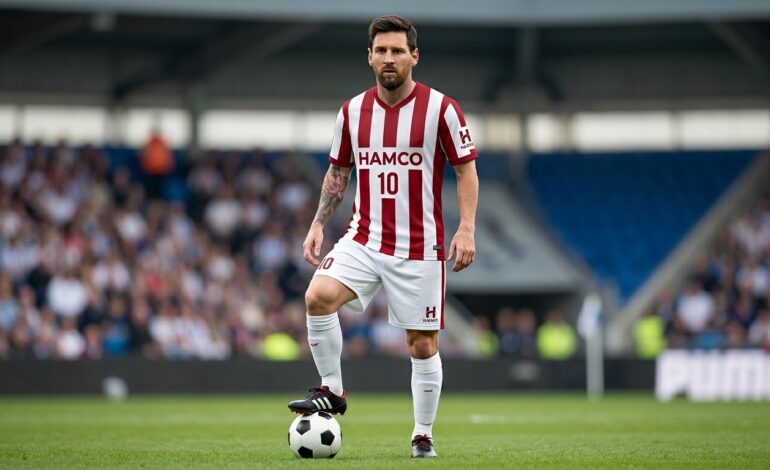
Most football coaches think about uniform colors in basic terms. School colors. Primary color. Secondary color. Maybe an accent color if the school crest happens to include one. The decisions get made quickly and rarely revisited. Yet modern football programs that build the strongest visual identity treat color strategy as a deliberate design discipline rather than a quick decision. The colors a program wears on the field affect recruiting visibility, broadcast presence, social media performance, and community recognition in ways most coaches never fully appreciate. The fix is understanding the basics of football uniform color strategy and applying them thoughtfully when designing the next football uniform for your program. Done well, color strategy becomes one of the most powerful identity tools available to any football program.
Hamco Sports has worked with thousands of football programs through countless color decisions over the years. The patterns are clear. Programs that approach color thoughtfully end up with uniforms that photograph well, broadcast cleanly, and build instant community recognition. Programs that rush through color decisions often produce designs that look fine in person but fail to deliver the impact they could have on social media, recruiting platforms, and broadcast coverage. The investment in color thinking is small. The compounding visual impact across multiple seasons is significant.
Why Football Uniform Color Strategy Matters More Than Most Coaches Realize
Three forces explain why color strategy delivers outsized impact on football program visual identity.
The first is the broadcast contrast factor. Modern football is photographed and broadcast more than ever. Cameras capture color differently than the human eye. Some color combinations that look striking in person reproduce poorly on broadcast feeds and social media platforms. Smart color strategy accounts for this gap from the design stage rather than discovering it after the season starts.
The second is the recruiting reach factor. Recruits and scouts evaluate programs partly through visual content circulating across social media and recruiting platforms. Programs with strong color identity become recognizable in highlight reels and game footage. Programs with weak color identity blend into the background of competing programs in the same conference or division.
The third is the community recognition factor. Local communities support football programs partly through visual identification with the team. School colors that pop clearly help build the kind of community pride that fills stadiums on Friday and Saturday nights. Bland or unclear color identity quietly limits this community connection.
Five Color Strategy Principles Every Football Program Should Apply
Five specific color strategy principles improve nearly every football uniform design decision.
The first is high contrast between primary and secondary colors. The primary color should dominate. The secondary color should provide strong contrast for numbers, wordmarks, and design accents. Colors too close in value to each other look muddy on broadcast feeds and from stadium distance.
The second is color accuracy across multiple pieces. The same primary color should appear identical across the jersey, pants, helmet stripe, and accessories. Color drift between pieces ordered from different suppliers undermines program visual identity. Working with one supplier prevents this issue.
The third is broadcast tested color combinations. Some color pairings work better on television than others. Generally, high contrast pairings perform best. Programs with all dark colors or all light colors often struggle on broadcast feeds despite looking fine in person.
The fourth is intentional accent color selection. A third accent color used sparingly can elevate a design significantly. Small touches of bright accent color on shoulder stripes, side panels, or sleeve details create visual interest without overwhelming the primary palette.
The fifth is consistency across seasons. The core color palette should remain stable across multiple seasons. Programs can refresh side panel treatments and design details annually without changing the fundamental color identity that builds long term recognition.
How Hamcospo Supports Smart Football Uniform Color Strategy
Hamcospo’s design team understands how football uniform colors actually perform on field, in broadcasts, and across social media. The design process includes color recommendations based on years of experience producing uniforms for hundreds of programs across every level of football. Buyers share their color goals. The design team translates these into specific color choices that work in real game conditions.
Every uniform piece uses lightweight performance polyester with moisture wicking properties. Every design is fully sublimated, which means color reproduction is precise and consistent across every piece in the order. Reinforced stitching at high stress points handles the demands of contact football. Cuts are pad compatible and athletic without restricting movement.
Free digital mockups arrive within twelve hours. Unlimited revisions are included at no cost. Standard production runs three to four weeks, with rush options for tight deadlines. The standard twenty one day design to delivery guarantee on football orders means programs can plan their season schedule with confidence. There are no minimum orders on most products. Pricing is flat with no per color or per element upcharges.
Coaches and program leaders can browse the full custom football uniforms collection to start a project with the design team. The catalog covers full button jerseys, pullover styles, compression jerseys, hybrid cuts, and complete team packages in youth and adult sizing. Tackle, flag, and seven on seven options are all available.
For programs ready to invest in a coordinated jersey and pants combination, the custom professional football uniforms collection bundles both pieces in matching designs at one flat price with perfectly coordinated color reproduction.
For programs that want to handle the team logo step before kicking off the uniform project, Hamcospo also offers a free sports logo maker tool. It lets coaches build a clean badge in minutes and download it as an SVG or PNG file ready for direct use in the uniform project.
Five Practical Tips for Football Uniform Color Decisions
Five specific tips help programs make smarter color decisions during the uniform design process.
The first is gathering color references from established programs. Look at college and professional football uniforms that you admire. Note how they balance primary, secondary, and accent colors. Use these references as inspiration without copying directly.
The second is testing color combinations on real surfaces. View mockups under bright stadium lights, in normal daylight, and on a screen. Some color choices that look great on a computer monitor fail under different lighting conditions.
The third is considering helmet coordination from the start. The helmet color sets the visual anchor of the program. The jersey, pants, and accessory colors should all coordinate cleanly with the helmet rather than fighting against it.
The fourth is documenting exact color codes. Save hex codes, Pantone references, and CMYK values for every color used in the program. This documentation makes future orders predictable and prevents color drift across seasons.
The fifth is asking the design team for input. The Hamcospo design team has built thousands of football uniforms and knows which color combinations work in real game conditions. Their advice is free and almost always improves the final result.
Why This Matters for Your Program
Football remains one of the most popular team sports for boys at the high school level in the United States. According to the National Federation of State High School Associations, football consistently ranks among the most played varsity sports for boys. The growth of flag football and seven on seven competition continues to expand the broader football landscape across the country. Every one of those programs is competing for visibility, recruiting attention, and community engagement, which makes thoughtful color strategy more valuable than ever.
A smart approach to football uniform color strategy gives programs the visual presence they need to stand out in a crowded landscape. The investment in color thinking is small relative to the compounding identity benefit across multiple seasons.
Conclusion
Football uniform color strategy is one of the most underrated parts of program visual identity. Programs that approach color thoughtfully end up with uniforms that build real recognition, broadcast cleanly, and support recruiting visibility in ways generic color decisions cannot match. The investment in smart color strategy is small relative to the long term value the right colors deliver across multiple seasons. For coaches, athletic directors, and program leaders ready to elevate their football operation beyond generic color choices, working with a real custom football supplier like Hamcospo is one of the smartest moves you can make. The result is a program that looks distinctive on every camera, every photo, and every stadium across the season.