How Residential Solar Generates Power Even in Low Sunlight and Saves Money
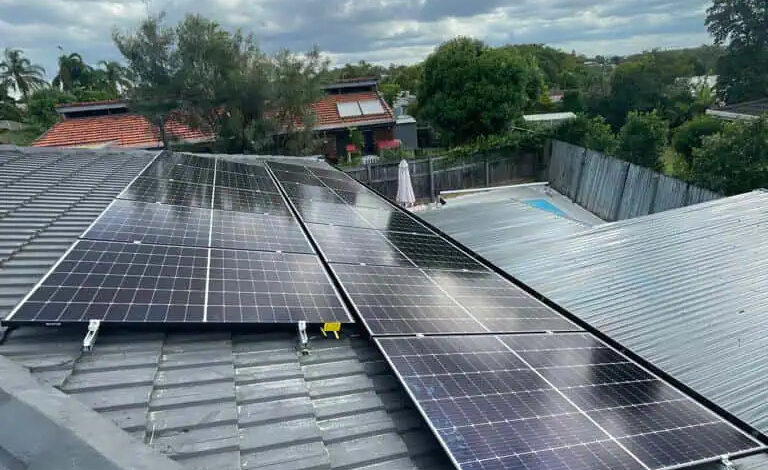
Many homeowners believe that solar panels only work effectively under bright, direct sunlight. While it’s true that peak performance occurs on sunny days, modern residential solar systems are designed to generate electricity even in low-light conditions. Whether it’s cloudy weather, early mornings, or winter months, solar panels continue to produce power—helping homeowners save money consistently throughout the year.
How Solar Panels Work in Low Sunlight
Solar panels operate using photovoltaic (PV) cells that convert sunlight into electricity. These cells do not require intense heat; instead, they rely on light. Even on cloudy or overcast days, sunlight still reaches the earth in the form of diffused light.
Modern solar panels are engineered to capture this diffused sunlight and convert it into usable energy. While the output may be lower compared to bright sunny conditions, the system continues to generate electricity, ensuring a steady energy supply.
Interestingly, cooler temperatures can actually improve solar panel efficiency. Excessive heat can reduce performance, so mild or cool weather conditions can sometimes enhance energy output despite reduced sunlight.
Performance During Cloudy and Rainy Days
Cloud cover can reduce solar panel efficiency by 10% to 50%, depending on the thickness of the clouds. However, this does not mean zero production. Panels continue to absorb available light and generate power throughout the day.
Rain can even be beneficial, as it helps clean the panels by washing away dust and debris. Cleaner panels allow more light to reach the photovoltaic cells, improving efficiency once the weather clears.
Early Morning and Late Evening Generation
Solar panels begin generating electricity as soon as there is daylight, even if the sun is not directly overhead. During early morning and late evening hours, production levels are lower but still contribute to overall energy generation.
Over time, these small amounts of energy add up, reducing the total electricity required from the grid.
Role of Inverters and Technology
Advanced inverters and system technologies play a crucial role in maximizing performance in low-light conditions. Modern inverters can optimize power output by adjusting to varying light levels and ensuring efficient energy conversion.
Some systems also include microinverters or power optimizers, which allow each panel to operate independently. This means that even if one panel is underperforming due to shading or low light, the rest of the system continues to function efficiently.
Battery Storage for Consistent Power
Battery storage systems further enhance the effectiveness of solar energy, especially during low sunlight periods. Excess energy generated during the day can be stored and used at night or during cloudy weather.
This reduces reliance on grid electricity and ensures a more stable and consistent power supply. For homeowners, this means greater energy independence and additional savings.
How Solar Saves Money in All Conditions
Even with reduced output during low sunlight, residential solar systems still provide significant financial benefits. Here’s how:
- Reduced Grid Dependency: Every unit of electricity generated by your solar system is one less unit you need to purchase.
- Net Metering Benefits: Excess energy generated during sunny periods can be credited and used during low-production times.
- Lower Peak-Time Costs: Solar energy can offset expensive electricity during high-demand periods.
- Long-Term Savings: Over the lifespan of the system, even moderate daily generation leads to substantial cost reductions.
Solar systems are designed to perform year-round, ensuring that homeowners continue to save money regardless of weather conditions.
Importance of Proper System Design
To maximize performance in low sunlight, proper system design is essential. Factors such as panel orientation, tilt angle, and placement play a significant role in capturing available light.
High-quality panels with better low-light performance can also improve overall efficiency. Professional installation ensures that the system is optimized for your specific location and weather conditions.
Long-Term Reliability and Benefits
Residential solar systems are built to last for 25 years or more. Over this period, they continue to generate electricity in various weather conditions, providing consistent savings.
As electricity prices rise, the value of solar energy increases, making it an even more attractive investment. Homeowners benefit from predictable energy costs and reduced exposure to price fluctuations.
Residential solar installation is a valuable investment, but choosing between cheap and premium Instead of focusing solely on upfront cost, homeowners should evaluate the overall value, efficiency, and reliability of the system. In the long run, a well-chosen premium solar setup can provide greater financial and environmental benefits, making it a smarter and more sustainable choice.
options requires careful consideration. While cheaper systems may offer immediate affordability, premium systems deliver superior performance, durability, and long-term savings.
Conclusion
Solar panels are far more versatile than many people realize. Even in low sunlight conditions, they continue to generate power and contribute to energy savings. With advanced technology, efficient system design, and optional battery storage, residential solar systems provide reliable performance throughout the year.
Investing in solar energy is not just about sunny days—it’s about long-term savings, sustainability, and energy independence. No matter the weather, solar power remains a dependable and cost-effective solution for modern homeowners.
Choose trusted Commercial Solar Panels Installation in Brisbane services to boost sustainability, cut electricity bills, and power your business with efficient solar solutions today!