How to Choose and Use Hand Held Metal Brakes Effectively
Metal fabrication projects often require precise bends and clean edges to achieve professional results. Whether you are working on roofing panels, baut, flashing, trim pieces, or custom sheet metal components, hand held metal brakes offer a convenient and portable solution. Understanding how to choose and use hand held metal brakes effectively can help improve accuracy, productivity, and overall workmanship.
Understanding Hand Held Metal Brakes
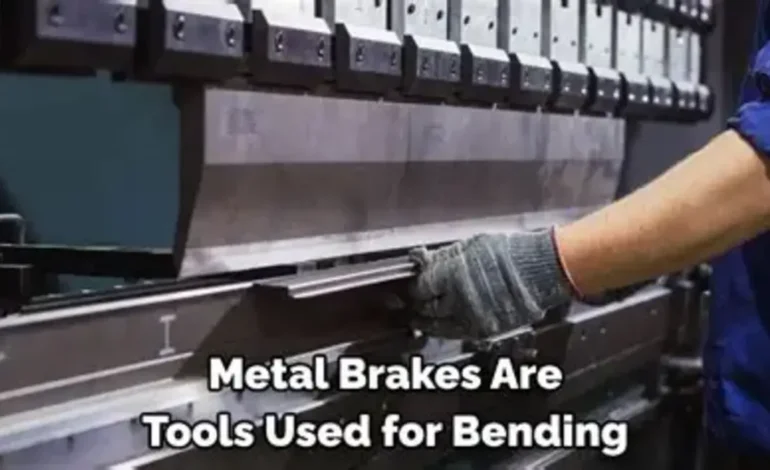
A hand held metal brake is a compact tool designed to bend sheet metal without the need for large stationary equipment. Unlike traditional metal brakes, these portable tools are lightweight and easy to transport, making them ideal for job sites and small workshops.
Hand held metal brakes are commonly used by:
- Roofing contractors
- HVAC technicians
- Metal fabricators
- Construction professionals
- DIY enthusiasts
- Siding installers
Their portability and ease of use make them valuable tools for creating precise bends in aluminum, galvanized steel, copper, and other thin metal materials.
Benefits of Using Hand Held Metal Brakes
Hand held metal brakes provide several advantages compared to larger bending equipment.
Portability
Because they are lightweight and compact, these tools can be easily carried to different work locations. This makes them especially useful for field applications.
Cost-Effective
Hand held models are generally more affordable than heavy-duty sheet metal brakes, making them suitable for professionals and hobbyists alike.
Improved Precision
These tools help produce consistent bends and reduce errors, leading to cleaner and more professional-looking finished products.
Versatility
Hand held metal brakes can be used for a variety of projects, including:
- Roof flashing
- Fascia covers
- Drip edges
- Gutters
- Window trims
- HVAC duct components
- Decorative metalwork
Factors to Consider When Choosing a Hand Held Metal Brake
Selecting the right tool depends on several important factors.
Material Compatibility
Different hand held metal brakes are designed to handle various materials and thicknesses. Before purchasing, determine the type of metal you frequently work with.
Common materials include:
- Aluminum
- Copper
- Galvanized steel
- Stainless steel
- Zinc
Always check the manufacturer’s specifications regarding maximum material thickness.
Bending Capacity
The bending capacity refers to the thickness and width of metal the tool can accommodate. Choosing a model with adequate capacity ensures better performance and prevents damage to the tool.
For example:
- Light-duty models are suitable for thin aluminum sheets.
- Heavy-duty versions can handle thicker steel materials.
Build Quality
Durable construction contributes to long-term reliability. Look for features such as:
- Hardened steel components
- Corrosion-resistant finishes
- Reinforced handles
- Heavy-duty pivot points
High-quality tools tend to deliver more consistent results and require less maintenance.
Ergonomic Design
Comfort is important, especially for professionals who use these tools frequently. Ergonomic grips and balanced weight distribution reduce hand fatigue and improve control.
Brand Reputation
Choosing products from reputable manufacturers often ensures better quality, warranty coverage, and replacement part availability.
Reading reviews and seeking recommendations from experienced contractors can help narrow down the best options.
Preparing for Safe Operation
Before using a hand held metal brake, proper preparation is essential.
Wear Protective Equipment
Safety should always come first. Recommended protective gear includes:
- Safety glasses
- Cut-resistant gloves
- Long sleeves
- Hearing protection when necessary
Sharp sheet metal edges can cause serious injuries if handled improperly.
Inspect the Tool
Check the brake for:
- Loose fasteners
- Damaged handles
- Worn components
- Misalignment
Regular inspections help maintain accuracy and reduce the risk of accidents.
Measure Carefully
Accurate measurements are critical for successful bending. Use:
- Tape measures
- Combination squares
- Marking pencils
- Straight edges
Double-check all dimensions before beginning the bending process.
How to Use Hand Held Metal Brakes Effectively
Proper technique can significantly improve the quality of your work.
Step 1: Mark the Bend Line
Use a pencil or marker to indicate the exact location where the bend will occur. Clear markings help maintain consistency throughout the project.
Step 2: Position the Tool
Align the hand held metal brake carefully along the bend line. Ensure the tool is securely placed and evenly positioned.
Incorrect alignment can result in uneven bends and wasted material.
Step 3: Apply Steady Pressure
Grip the handles firmly and apply smooth, controlled pressure. Avoid sudden movements or excessive force.
Gradual bending minimizes deformation and produces cleaner results.
Step 4: Check the Angle
Use an angle gauge or square to verify the bend angle. Adjust as necessary to achieve the desired shape.
Step 5: Inspect the Finished Piece
Examine the completed bend for:
- Uniformity
- Cracks
- Distortion
- Surface damage
Quality inspection ensures the component meets project requirements.
Common Mistakes to Avoid
Even experienced users can encounter problems. Avoid these common errors:
Overloading the Tool
Using materials that exceed the recommended thickness can damage the brake and compromise bend quality.
Rushing the Process
Fast, uneven pressure often leads to inaccurate bends. Taking time improves precision and reduces waste.
Neglecting Maintenance
Failing to clean and lubricate moving parts can shorten the lifespan of the tool.
Poor Measurements
Inaccurate measurements frequently result in material loss and project delays.
Maintenance Tips for Long-Term Performance
Proper maintenance keeps hand held metal brakes functioning efficiently.
Clean After Each Use
Remove dirt, dust, and metal particles from the tool after every project. Debris buildup can interfere with smooth operation.
Lubricate Moving Parts
Apply appropriate lubricants periodically to maintain free movement and reduce wear.
Store in a Dry Environment
Moisture can lead to rust and corrosion. Store the tool in a clean, dry location when not in use.
Inspect Regularly
Routine inspections help identify worn components before they cause performance issues.
Replacing damaged parts promptly can prevent costly repairs.
Conclusion
Knowing how to choose and use hand held metal brakes effectively is essential for achieving precise and professional sheet metal work. By selecting a tool with the appropriate capacity, maintaining it properly, and following safe operating practices, users can improve productivity and create high-quality bends with confidence.
Tokohasil: Whether you are a roofing contractor, HVAC technician, metal fabricator, or DIY enthusiast, investing in a reliable hand held metal brake and mastering proper techniques can greatly enhance the efficiency and quality of your projects.