PP Woven Bags – Durable and Reliable Packaging Solution for Modern Industries
Introduction to PP Woven Bags
PP Woven Bags have become one of the most widely used packaging products across different industries due to their durability, affordability, and versatility. These bags are manufactured using polypropylene material, which is known for its lightweight yet strong structure. Businesses involved in agriculture, construction, chemicals, food processing, and fertilizers rely heavily on PP woven packaging for safe transportation and storage of goods. The growing demand for efficient packaging solutions has significantly increased the popularity of PP woven bags in both domestic and international markets.
The woven structure of these bags provides excellent tensile strength, making them suitable for carrying heavy products without tearing or damage. Their resistance to moisture, chemicals, and rough handling further enhances their usability. As industries continue to seek cost-effective and environmentally friendly packaging materials, PP woven bags remain a preferred choice for manufacturers and suppliers worldwide.
What Are PP Woven Bags?
PP Woven Bags are packaging bags made from woven polypropylene fabric. Polypropylene is a thermoplastic polymer that is melted and converted into flat tapes or threads. These threads are then woven together to create a strong and flexible fabric that can be stitched into bags of different sizes and shapes.
The woven pattern gives the bags superior strength compared to ordinary plastic packaging. They are capable of handling large quantities of products while maintaining structural integrity during transportation and storage. PP woven bags are commonly available in laminated and unlaminated forms depending on the specific requirements of the industry.
These bags can also be customized with printing, colors, logos, and special coatings. Manufacturers often provide UV protection, anti-slip surfaces, and waterproof lamination to improve product performance in demanding conditions.
Manufacturing Process of PP Woven Bags
The manufacturing process of PP woven bags involves several advanced steps to ensure high-quality production. The process begins with the extrusion of polypropylene granules into thin tapes. These tapes are stretched to increase their strength and durability before being wound onto bobbins.
The next stage involves weaving the tapes into fabric using circular or flat weaving machines. Once the woven fabric is prepared, it is laminated or coated if required. The fabric is then cut according to desired bag dimensions and stitched carefully to create finished bags.
Modern printing machines are used to add branding, product information, and attractive designs to the bags. Finally, the finished bags undergo quality inspection to ensure they meet industry standards for strength, durability, and appearance before being supplied to customers.
Major Features of PP Woven Bags
One of the primary reasons behind the popularity of PP woven bags is their excellent features. These bags offer high tensile strength, allowing them to carry heavy loads without damage. Their woven construction provides flexibility while maintaining durability under pressure.
PP woven bags are resistant to moisture, chemicals, punctures, and abrasion. This makes them suitable for storing products in different environmental conditions. Their lightweight nature reduces shipping costs and improves handling efficiency during transportation.
Another important feature is reusability. These bags can be used multiple times, making them an economical packaging option for industries. Additionally, they can be recycled, supporting sustainable packaging practices and reducing environmental impact.
Customizability is another major advantage. Businesses can choose different sizes, colors, printing styles, and lamination options according to their packaging requirements and branding needs.
Applications of PP Woven Bags
PP woven bags are used in a wide range of industries because of their strength and versatility. In the agricultural sector, these bags are commonly used for packaging grains, seeds, fertilizers, animal feed, and vegetables. Their breathable structure helps maintain product quality during storage.
In the construction industry, PP woven bags are ideal for packing cement, sand, chemicals, and other building materials. Their high load-bearing capacity ensures safe transportation of heavy products.
Food processing companies use PP woven bags for packaging sugar, flour, rice, pulses, and other food items. Laminated variants provide additional protection against moisture and contamination.
Chemical and industrial sectors also depend on PP woven packaging for handling powders, minerals, and hazardous materials safely. Retail and commercial businesses use customized PP woven bags for promotional and storage purposes as well.
Advantages of Using PP Woven Bags
There are several benefits of using PP woven bags compared to traditional packaging materials. One major advantage is cost-effectiveness. These bags are affordable to manufacture and transport due to their lightweight design.
Their durability reduces the chances of product loss during handling and transportation. Businesses can safely store heavy materials without worrying about tearing or leakage. This improves operational efficiency and minimizes packaging-related expenses.
PP woven bags also offer excellent printability, helping companies promote their brand through customized packaging designs. High-quality printing enhances product presentation and improves customer recognition in competitive markets.
The bags are weather-resistant and suitable for both indoor and outdoor storage. Their recyclable nature supports eco-friendly business practices, making them a sustainable packaging solution for modern industries.
Different Types of PP Woven Bags
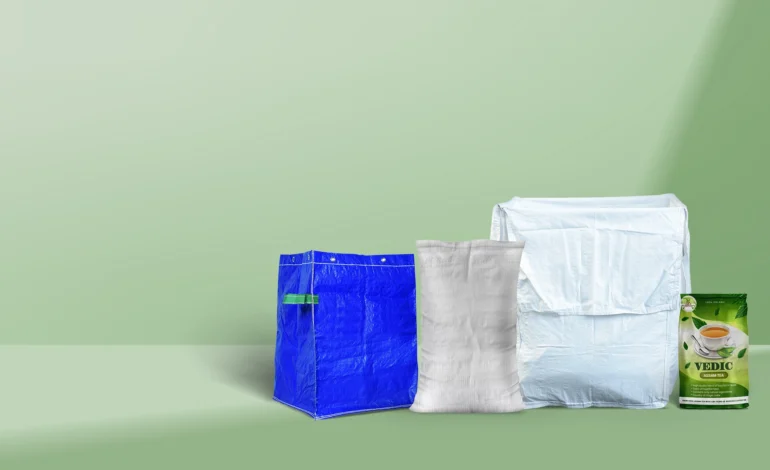
PP woven bags are available in various types to meet different industrial requirements. Standard woven bags are commonly used for general packaging applications where basic strength and durability are needed.
Laminated PP woven bags include an additional coating layer that provides moisture resistance and better product protection. These bags are widely used for food grains, fertilizers, and chemicals.
BOPP laminated woven bags are another advanced option featuring high-quality printing and glossy finishing. These bags are popular in retail packaging because of their attractive appearance and excellent shelf appeal.
Valve bags are specially designed for automatic filling systems in industries like cement and chemicals. Gusseted woven bags offer extra storage capacity and better stacking performance during transportation.
UV-stabilized woven bags are manufactured for outdoor use where prolonged sunlight exposure is expected. These bags maintain strength and durability even under harsh weather conditions.
Importance of PP Woven Bags in Export Industries
Export industries require durable packaging materials capable of protecting products during long-distance transportation. PP woven bags play a crucial role in international trade because of their strength, flexibility, and lightweight properties.
These bags help reduce shipping costs while ensuring product safety throughout the supply chain. Their resistance to moisture and external damage prevents spoilage and contamination during overseas transportation.
Many exporters prefer customized PP woven bags with printed branding and product details to improve market visibility. The bags also comply with international packaging standards, making them suitable for global export operations.
As international demand for bulk packaging continues to grow, PP woven bags remain an essential packaging solution for exporters in agriculture, chemicals, minerals, and food industries.
Eco-Friendly Benefits of PP Woven Bags
Environmental sustainability has become a major concern for industries worldwide. PP woven bags contribute positively by offering reusable and recyclable packaging solutions. Unlike single-use plastic packaging, these bags can be reused multiple times before recycling.
Their long lifespan reduces packaging waste generation and minimizes environmental impact. Recycling polypropylene materials also helps conserve resources and supports sustainable manufacturing practices.
Many manufacturers are now focusing on eco-friendly production techniques to reduce carbon emissions during the manufacturing process. Businesses adopting recyclable PP woven packaging demonstrate social responsibility and environmental awareness, which also improves brand reputation among environmentally conscious consumers.
Conclusion
PP Woven Bags have transformed the packaging industry by providing a strong, lightweight, and economical solution for various industrial applications. Their durability, flexibility, moisture resistance, and customizable features make them highly suitable for agriculture, construction, food processing, chemicals, and export sectors.
As industries continue to prioritize safe packaging and sustainable practices, the demand for PP woven bags is expected to grow steadily in the coming years. Their ability to protect products while reducing transportation costs and environmental impact makes them a valuable investment for businesses worldwide.