Recycling Services in India: Challenges, Opportunities, and Future Trends
Introduction
India generates millions of tons of waste every year due to rapid urbanization, industrial growth, and changing consumer lifestyles. Managing this growing volume of waste has become a critical environmental and economic challenge. Recycling plays a vital role in reducing waste, conserving natural resources, and supporting sustainable development. As awareness about environmental protection increases, recycling services across the country are becoming more important than ever.
Despite significant progress, the recycling sector still faces several challenges. At the same time, emerging technologies, government initiatives, and growing public awareness are creating new opportunities for growth. Understanding these challenges and opportunities can help shape the future of recycling services in India.
The Current State of Recycling in India
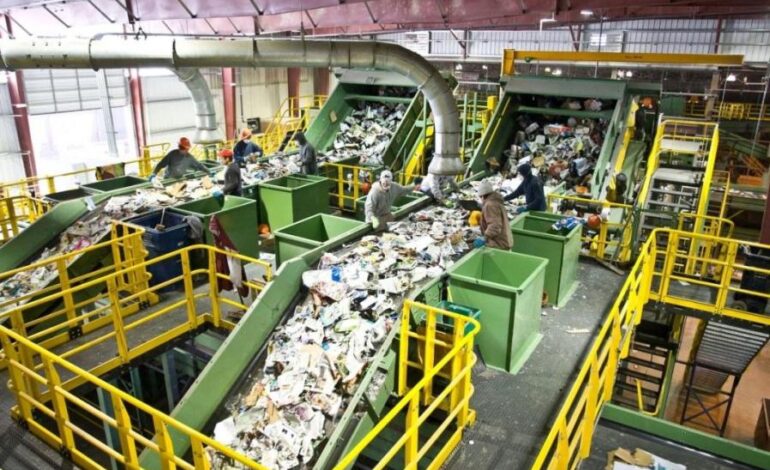
Recycling in India covers a wide range of materials, including paper, plastic, metal, glass, construction debris, and electronic waste. Both urban and industrial sectors are increasingly adopting recycling practices to reduce landfill dependency and minimize environmental impact.
The demand for sustainable waste management solutions has encouraged businesses and communities to invest in recycling programs. However, the efficiency and effectiveness of recycling operations vary significantly across regions due to differences in infrastructure, awareness, and regulatory enforcement.
Major Challenges Facing Recycling Services
1. Lack of Waste Segregation
One of the biggest obstacles to effective recycling is the lack of waste segregation at the source. Many households and businesses continue to mix recyclable and non-recyclable waste, making the recycling process more complicated and costly.
When waste is not properly separated, recyclable materials often become contaminated, reducing their value and usability.
2. Insufficient Recycling Infrastructure
Although recycling facilities are expanding, many areas still lack adequate collection, sorting, and processing infrastructure. Smaller cities and rural regions often have limited access to organized recycling systems.
This infrastructure gap results in a significant amount of recyclable material ending up in landfills instead of being recovered and reused.
3. Limited Public Awareness
Many people are still unaware of the environmental and economic benefits of recycling. Without proper education and awareness campaigns, participation in recycling programs remains lower than desired.
Improving public understanding is essential for increasing recycling rates and reducing waste generation.
4. Challenges in Electronic Waste Management
The rapid growth of technology has led to a significant increase in electronic waste. Devices such as computers, mobile phones, and appliances contain valuable materials that can be recovered through recycling.
However, improper disposal and informal handling of electronic waste can create environmental and health risks, making specialized recycling solutions increasingly important.
5. Economic and Operational Constraints
Recycling operations require investments in technology, transportation, labor, and processing facilities. Fluctuating market prices for recyclable materials can impact profitability and discourage investment in recycling infrastructure.
These financial challenges often make it difficult for recycling companies to expand their operations efficiently.
Opportunities Driving Growth in Recycling
Increasing Environmental Awareness
Environmental concerns are encouraging individuals, businesses, and institutions to adopt sustainable practices. More organizations are incorporating recycling into their sustainability strategies to reduce their environmental footprint.
This growing awareness is creating strong demand for professional recycling services across multiple industries.
Government Support and Regulations
Government policies promoting waste reduction, resource conservation, and environmental protection are strengthening the recycling ecosystem. Regulations focused on waste management and producer responsibility are encouraging greater participation in recycling initiatives.
These policy measures provide a supportive framework for long-term growth within the recycling sector.
Growth of the Circular Economy
The concept of a circular economy is gaining momentum globally and in India. Instead of following a traditional “use and dispose” model, a circular economy emphasizes reuse, repair, refurbishment, and recycling.
Recycling services play a crucial role in this model by helping materials remain in productive use for longer periods, reducing the need for virgin resources.
Rising Demand from Industries
Many industries are actively seeking recycled materials to reduce production costs and meet sustainability goals. Recycled plastics, metals, paper, and other materials are increasingly being integrated into manufacturing processes.
This demand creates valuable business opportunities for recycling service providers and waste management companies.
Expansion of E-Waste Recycling
Electronic waste represents one of the fastest-growing waste streams in the country. The increasing use of digital devices is creating a significant opportunity for specialized recycling facilities that can safely recover valuable materials while minimizing environmental harm.
As awareness and regulations improve, e-waste recycling is expected to become a major growth area.
Future Trends in Recycling Services
Adoption of Advanced Technologies
Technology is transforming recycling operations through automation, artificial intelligence, and smart sorting systems. Advanced equipment can identify and separate recyclable materials more accurately and efficiently than traditional methods.
These innovations improve recovery rates while reducing operational costs.
Digital Waste Tracking
Digital platforms are making waste collection and recycling more transparent. Businesses can monitor waste generation, track recycling performance, and generate sustainability reports more effectively.
Such systems help improve accountability and operational efficiency.
Greater Focus on Resource Recovery
Future recycling efforts will focus not only on waste reduction but also on maximizing resource recovery. Valuable materials extracted from waste streams can be reintroduced into manufacturing processes, supporting a more sustainable economy.
This approach enhances both environmental and economic outcomes.
Increased Corporate Participation
Companies are increasingly committing to sustainability goals and environmental responsibility. As a result, corporate recycling programs are expected to expand significantly in the coming years.
Businesses will continue to seek reliable recycling partners to help manage waste responsibly and meet regulatory requirements.
Development of Smart Cities
India’s growing focus on smart city development is likely to accelerate investment in modern waste management and recycling infrastructure. Smart collection systems, data-driven waste management, and integrated recycling networks will contribute to cleaner and more sustainable urban environments.
Conclusion
Recycling services in India are at a crucial stage of development. While challenges such as inadequate segregation, infrastructure limitations, and awareness gaps remain significant, the sector also offers tremendous opportunities for growth. Government support, technological advancements, rising environmental awareness, and increasing industrial demand are driving positive change across the recycling landscape.
As India continues to pursue sustainable development goals, recycling will play an increasingly important role in reducing waste, conserving resources, and building a cleaner future. Organizations, communities, and individuals who actively participate in recycling initiatives will contribute significantly to creating a more environmentally responsible and resource-efficient nation.
https://proaiarticles.com/wp-admin