
What Small Businesses Should Know Before Outsourcing Bookkeeping
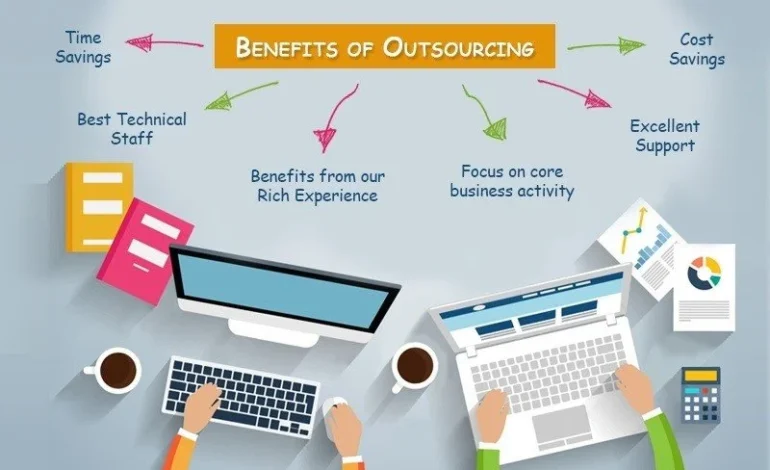
Managing finances is one of the most important responsibilities for any small business. From tracking expenses and managing invoices to preparing financial reports and handling taxes, bookkeeping plays a major role in keeping a business organized and financially healthy.
However, many small business owners quickly realize that bookkeeping takes more time and expertise than expected. As businesses grow, managing finances manually or handling everything alone can become stressful, time-consuming, and prone to errors.
This is why many businesses are choosing to outsource bookkeeping services.
Outsourcing bookkeeping can help save time, reduce operational costs, and improve financial accuracy. But before making the decision, small business owners should understand how outsourcing works, what to look for in a bookkeeping provider, and the common mistakes to avoid.
In this guide, we’ll cover everything small businesses should know before outsourcing bookkeeping and how to make the right decision for long-term success.
What is Outsourced Bookkeeping?
Outsourced bookkeeping services involve hiring an external bookkeeping professional or company to manage your business’s financial records and daily accounting tasks.
Instead of managing bookkeeping in-house, businesses rely on experts who handle tasks such as:
- Recording financial transactions
- Managing invoices and payments
- Bank reconciliations
- Payroll processing
- Financial reporting
- Expense tracking
- Tax-ready documentation
Many modern bookkeeping providers also use cloud-based software, allowing businesses to access financial information in real time from anywhere.
Why Small Businesses Outsource Bookkeeping
Small business owners often wear multiple hats. They manage operations, sales, customer service, and marketing while also trying to handle finances.
As the business grows, bookkeeping becomes more complex and time-consuming.
Outsourcing bookkeeping helps businesses:
- Save time
- Reduce administrative workload
- Improve financial accuracy
- Access professional expertise
- Focus more on business growth
Instead of spending hours managing spreadsheets and receipts, business owners can focus on strategic tasks that directly impact revenue and growth.
Key Things Small Businesses Should Know Before Outsourcing Bookkeeping
Understand Your Business Needs
Before outsourcing bookkeeping, businesses should first understand what type of support they actually need.
Some businesses only require basic bookkeeping services, while others may need payroll management, tax preparation, or detailed financial reporting.
Understanding your business requirements helps you choose the right service provider and avoid paying for unnecessary services.
Choose Experience Over Low Cost
One of the biggest mistakes small businesses make is choosing bookkeeping services based only on price.
While affordability matters, experience and reliability are far more important. Poor bookkeeping can lead to financial errors, tax issues, and compliance problems that cost far more in the long run.
Always look for bookkeeping providers with:
- Industry experience
- Strong client reviews
- Knowledge of accounting software
- Understanding of local tax regulations
A reliable provider should help improve your financial processes, not create more problems.
Cloud-Based Bookkeeping is Essential
Modern bookkeeping is no longer limited to spreadsheets and paperwork. Most professional Outsourced Payroll Management Services now use cloud-based accounting software.
Cloud bookkeeping provides:
- Real-time financial access
- Better data security
- Faster reporting
- Easier collaboration
- Automatic backups
Businesses should ensure their bookkeeping provider uses trusted accounting platforms that support transparency and accessibility.
Communication Matters
Bookkeeping is not just about numbers—it also requires clear communication.
Before outsourcing, businesses should understand:
- How often will reports be shared
- Who will be the main point of contact
- Response time expectations
- Communication methods used
A good bookkeeping partner should be proactive, responsive, and easy to work with.
Data Security Should Be a Priority
Financial information is highly sensitive, so security should never be overlooked.
Businesses should ask bookkeeping providers about:
- Data protection policies
- Software security measures
- Backup systems
- Access controls
- Confidentiality agreements
Working with a provider that follows proper security practices reduces the risk of data breaches and financial fraud.
Understand the Pricing Structure
Different bookkeeping providers use different pricing models.
Some charge:
- Monthly fixed fees
- Hourly rates
- Service-based packages
Before signing an agreement, businesses should clearly understand what services are included and whether there are additional charges.
Transparent pricing helps avoid confusion later.
Benefits of Outsourcing Bookkeeping for Small Businesses
Saves Time
Bookkeeping can consume hours every week, especially for growing businesses.
Outsourcing allows business owners to focus on operations, customers, and growth instead of spending time managing financial records.
Reduces Costs
Hiring a full-time in-house bookkeeper can be expensive for small businesses.
Outsourcing provides access to professional expertise without the costs of salaries, training, benefits, and office space.
Improves Accuracy
Professional bookkeepers have the experience and tools needed to maintain accurate financial records.
This reduces errors and helps businesses maintain better financial organization.
Better Financial Insights
Outsourced bookkeeping services often provide detailed financial reports and insights.
This helps business owners understand cash flow, expenses, and profitability more clearly.
Easier Tax Preparation
Well-organized financial records simplify tax filing and reduce stress during tax season.
Bookkeepers help ensure records are accurate and tax-ready throughout the year.
Common Mistakes to Avoid
Choosing the Cheapest Option
Low-cost bookkeeping services may lack expertise or proper support.
Businesses should prioritize quality, experience, and reliability over the lowest price.
Not Checking Reviews or References
Before hiring a bookkeeping provider, businesses should check reviews, testimonials, or references from existing clients.
This helps verify credibility and service quality.
Failing to Define Expectations
Businesses should clearly communicate expectations, reporting needs, and responsibilities from the beginning.
This prevents misunderstandings later.
Ignoring Software Compatibility
The bookkeeping provider should use software that integrates smoothly with your business systems.
Compatibility improves efficiency and reduces manual work.
Waiting Too Long to Outsource
Many small businesses wait until financial records become disorganized before seeking help.
Outsourcing bookkeeping early helps maintain better financial control and prevents larger problems later.
Signs Your Small Business Should Outsource Bookkeeping
Many business owners are unsure when it’s the right time to outsource bookkeeping.
Here are common signs:
- You spend too much time managing finances
- Financial records are often disorganized
- Tax preparation becomes stressful
- Cash flow tracking is unclear
- You are missing invoices or payments
- Business growth is increasing the workload
If bookkeeping is taking focus away from core business operations, outsourcing may be the right solution.
How to Choose the Right Bookkeeping Partner
Choosing the right bookkeeping provider is one of the most important decisions for your business finances.
Look for a provider that offers:
- Industry experience
- Transparent communication
- Scalable services
- Strong security practices
- Cloud-based accounting expertise
- Reliable customer support
The right partner should work as an extension of your business and help support long-term growth.
Future of Outsourced Bookkeeping
Outsourced bookkeeping is becoming more technology-driven every year.
In the future, businesses can expect:
- AI-powered bookkeeping automation
- Real-time financial dashboards
- Faster reporting and analytics
- Improved cloud integrations
- More predictive financial insights
Businesses adopting modern bookkeeping solutions early will gain better financial visibility and operational efficiency.
Conclusion
Outsourcing bookkeeping can be a smart decision for small businesses looking to save time, reduce costs, and improve financial management.
However, choosing the right bookkeeping partner requires careful planning and research. Businesses should focus on experience, communication, security, and long-term value rather than simply choosing the cheapest option.
With the right bookkeeping support, small businesses can maintain accurate financial records, improve decision-making, and focus more on growth and customer success.
As businesses continue to evolve, outsourcing bookkeeping is no longer just about reducing workload it’s about building a stronger financial foundation for long-term success.