
Solar Panel Removal for Roof Replacement | Dallas Homeowner Guide
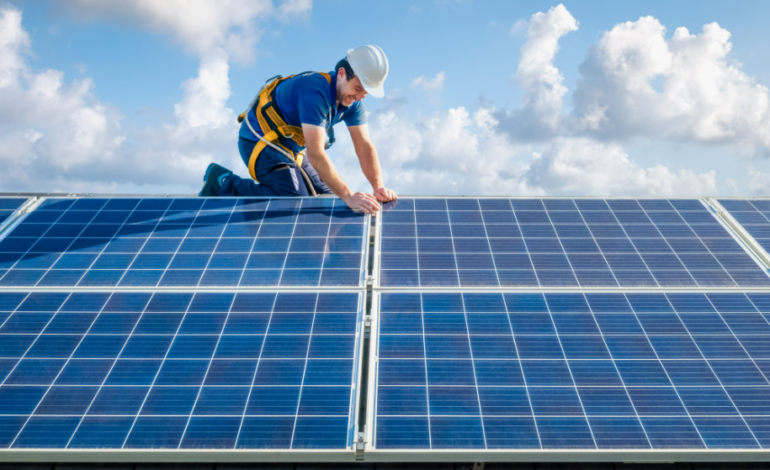
Replacing an aging or damaged roof is a significant home improvement project, and homeowners with an existing solar system have an additional consideration: the panels may need to be removed before roofing work can begin. Solar panel removal for roof replacement allows contractors to access the roofing materials, underlayment, flashing, decking, and attachment points beneath the array. Without adequate access, it can be difficult to inspect the entire roof or complete the replacement correctly. Because solar panels are connected to electrical equipment and secured through specialized mounting hardware, removal should be planned as a separate part of the roofing project rather than treated as an ordinary roofing task.
The process becomes particularly important when a homeowner wants to preserve an existing solar investment while giving the property a new roof. Removing the panels carefully, protecting the equipment during construction, and reinstalling the system after the roof is ready can help create a smoother transition between the two projects. Sunaura Solar provides solar detach and reset services for homeowners and roofing partners across the Dallas-Fort Worth area, helping coordinate solar equipment removal and reinstallation as part of roof replacement and repair projects.
Why Solar Panels Usually Need to Be Removed
When solar panels cover portions of a roof that need replacement, the roofing crew generally needs unobstructed access to those areas. Shingles, underlayment, flashing, decking, and roof penetrations can extend beneath the solar array, making it impractical to complete a full replacement while the equipment remains installed. Attempting to work around the panels may leave sections of the roof inaccessible or make it harder to identify damage beneath the array. Removing the system first gives the roofing contractor a clearer working surface and allows the condition of the roof to be evaluated more thoroughly. It also provides an opportunity to examine the areas where solar mounting equipment has been attached. Once the roof replacement is complete, the solar system can be returned after the surface is ready for its mounting hardware and electrical equipment.
What Is Involved in Solar Panel Removal?
Professional removal involves considerably more than taking panels off their brackets. The solar contractor needs to understand the existing system configuration, identify relevant electrical components, and document the arrangement before beginning work. Panels, wiring, racking, and other equipment may need to be disconnected and removed in a controlled sequence. Proper labeling and documentation can be valuable because they help the contractor understand how the system should be reconstructed later. Equipment also needs to be handled and stored carefully while the roofing crew works. This is particularly important for larger arrays containing many modules and multiple electrical connections. A professional approach focuses on preserving the condition of the equipment and maintaining an organized record of the original installation. This preparation can make the later reset more efficient and reduce the risk of confusion when the roof replacement is finished.
Coordinating the Solar Contractor and Roofing Crew
Successful roof replacement with solar panels depends heavily on communication between the homeowner, roofing contractor, and solar company. The solar contractor needs to know when the roof work is scheduled so the system can be removed before the roofing crew begins. The roofer, in turn, needs a clear understanding of when the solar equipment will be out of the way and when the finished roof will be ready for reinstallation. Scheduling should account for weather, material availability, inspections, and unexpected roof conditions that can change the construction timeline. Early communication helps prevent situations where the roofer is ready to begin but the solar system is still installed. Sunaura Solar describes its detach and reset service as coordinated with roofing schedules, helping create a single workflow for removal, roof work, and reinstallation. This type of coordination can reduce delays and make responsibilities clearer for everyone involved.
Protecting Panels During the Roof Replacement
Once the solar array has been removed, protecting the equipment becomes an important part of the project. Panels should be handled carefully and placed in an appropriate location where they are less likely to be struck, scratched, contaminated, or exposed to unnecessary construction hazards. Wiring, connectors, mounting components, and other system parts should also remain organized. Keeping track of the original configuration is particularly useful when the array contains multiple roof sections or different types of equipment. Proper storage helps preserve the equipment while the roof is being replaced and can make the eventual reset more straightforward. Homeowners should also ask how the solar contractor plans to protect components before the project begins. A clear equipment-handling plan demonstrates that the removal is being treated as part of the overall solar service rather than as a quick preliminary task.
Preparing the New Roof for Solar Reinstallation
The new roof should be fully ready before the solar system is reinstalled. This means the roofing work needs to be completed in the areas where the panels and mounting equipment will be placed, with appropriate attention to the roof attachments and penetrations associated with the solar array. Coordination is important because the solar contractor needs accurate information about when the roof surface can accept the mounting system again. Depending on the roof materials and project specifications, the timing of reinstallation may vary. The reset should not be rushed simply to restore the panels as quickly as possible. Instead, the solar contractor and roofer should agree that the roof is ready for the next phase. This creates a better foundation for secure mounting, appropriate sealing, organized wiring, and reliable long-term performance.
Reinstalling the Solar System After Roofing
After the roof replacement is complete and ready, the solar contractor can begin the reset process. The panels and supporting equipment should be placed according to the planned configuration, while mounting hardware and roof attachments are installed appropriately for the new roof. Electrical connections should be checked carefully rather than assuming that everything remains exactly as it was before removal. Wiring should be routed neatly and protected from unnecessary exposure or physical stress. The condition of the panels and other components can also be reviewed before they are returned to service. If damage or wear was identified during removal or storage, it should be addressed before the system is recommissioned. A quality reset focuses on restoring the complete system rather than simply putting the panels back in their previous positions.
Why Final Testing Is Essential
A solar installation should be tested after reinstallation before the project is considered complete. Physical appearance alone cannot confirm that the electrical system is functioning properly. The contractor can evaluate relevant connections, equipment, monitoring functionality, and system operation to identify issues that may have developed during removal or reinstallation. Testing can also help confirm that the system is communicating correctly and producing electricity as expected. This final step gives homeowners a clearer indication that the solar array has been successfully restored. Sunaura Solar emphasizes testing and performance verification as part of its broader solar and electrical service approach. For homeowners, final testing provides an important layer of confidence and can help identify problems while the solar contractor is still actively involved in the project.
Choosing a Contractor for Solar Panel Removal
Homeowners should carefully evaluate who will handle the solar portion of a roof replacement. Solar systems contain electrical components, mounting systems, wiring, and monitoring equipment that require specialized knowledge. A roofing company may be highly experienced with roofs but may not have the appropriate expertise to disconnect and restore a functioning solar array. A qualified solar contractor can focus specifically on protecting the system while coordinating with the roofing team. When comparing providers, homeowners should ask about experience with detach and reset projects, equipment handling, electrical work, documentation, reinstallation, and final testing. It is also useful to understand whether the company can work with an existing solar system even if it was originally installed by another provider. These questions can help homeowners select a contractor based on actual project capabilities rather than price alone.
Planning for Roof Replacement Before Installing Solar
Homeowners who are considering a new solar installation should evaluate the condition and expected lifespan of their roof before panels are installed. If a roof is already approaching the end of its service life, replacing it first may be more practical than installing solar and then removing the array several years later for roofing work. A professional solar consultation should include consideration of roof age, condition, structure, and future plans. This does not mean every older roof requires immediate replacement, but it does mean the decision should be made with the complete property investment in mind. Planning both projects together can reduce the possibility of unnecessary labor and help establish a more suitable timeline for the home’s energy improvements.
Conclusion
Roof replacement and solar ownership can work together successfully when both projects are planned as connected parts of the same property improvement. Solar panel removal for roof replacement provides roofing professionals with access to the surface beneath the array while giving the solar contractor an opportunity to document, protect, and properly restore the equipment. Careful scheduling, safe removal, organized storage, roof preparation, professional reinstallation, and final system testing all contribute to a smoother project. Homeowners should select an experienced solar contractor that communicates effectively with the roofing crew and understands the electrical and mechanical aspects of the existing system. With thoughtful planning and professional support from a company such as Sunaura Solar, homeowners can replace an aging or damaged roof while preserving the value and functionality of their solar investmenk.



1 Comment
[…] service. For example, a property owner may eventually need gutter cleaning, pressure washing, or solar panel cleaning in addition to window […]