The 12-Month SEO Content Calendar for Service Businesses
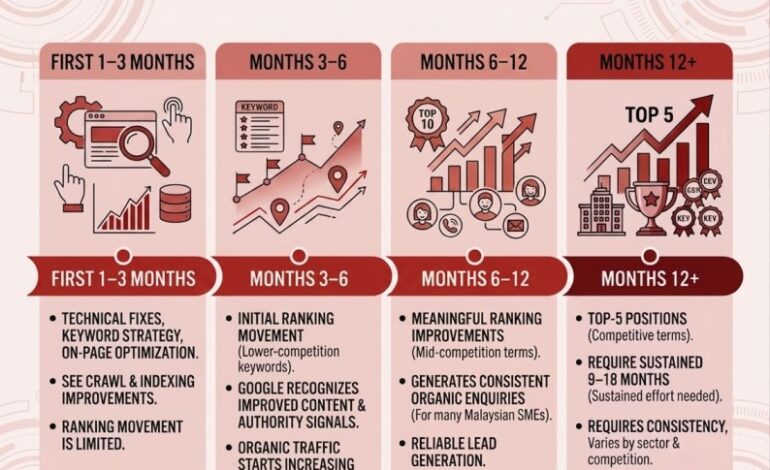
Most service businesses publish content when they find the time—a blog post here, a case study there—and then wonder why their organic traffic remains flat. The problem isn’t the content itself. It’s the absence of a plan. A structured SEO service strategy, built around a 12-month content calendar, gives your business a predictable path to consistent search visibility, qualified leads, and long-term authority.
This guide breaks down exactly what to publish, when to publish it, and why each phase matters for sustainable organic growth.
Why Service Businesses Need a Content Calendar
Unlike e-commerce brands selling products, service businesses sell trust. A potential client searching for a solicitor, accountant, or plumber doesn’t buy immediately—they research, compare, and look for evidence that you know what you’re doing. A content calendar helps you show up consistently at every stage of that decision-making process.
Without a plan, content becomes reactive and inconsistent. With one, every article, guide, and case study serves a purpose within a broader strategy. The result? Compounding organic traffic that grows month after month.
Months 1–3: Foundation & Planning
The first quarter is about laying the groundwork. Before you publish anything, invest time in keyword research focused on local, service-based queries—the searches your ideal clients are actually making.
What to focus on:
- Local keyword research: Target phrases like “accountant in Manchester” or “landscaping services Edinburgh” rather than broad, competitive terms.
- Pillar pages: Create dedicated pages for each core service you offer. These become the foundation of your site’s topical authority.
- Service area content: If you operate across multiple locations, build geo-targeted pages that speak to each area directly.
This phase isn’t glamorous, but it’s essential. Getting the structure right early means every piece of content you publish later has somewhere meaningful to link back to.
Months 4–6: Building Authority
Once your foundational content is in place, shift your focus to depth. This is where you start demonstrating genuine expertise—not just telling potential clients what you do, but showing them how well you do it.
What to focus on:
- In-depth guides: Tackle the questions your clients ask most often. A financial adviser might write “How to choose a pension plan in your 40s.” A marketing agency might publish “Why your Google Ads aren’t converting.”
- Case studies: Real results, real clients, real outcomes. Case studies are among the most persuasive content formats for service businesses because they remove doubt.
- Comparison content: Help prospects make decisions by honestly comparing your services against alternatives or common DIY approaches. This type of content attracts high-intent searchers who are close to making a purchase decision.
The goal of this phase is to signal to both search engines and prospective clients that your business is a credible authority in your field.
Months 7–9: Engagement & Community
By mid-year, you should have a solid base of foundational and authority content. Now it’s time to broaden your reach and build a more engaged audience.
What to focus on:
- FAQ content: Address seasonal and situational questions—”Do I need a solicitor to sell my house?” or “What’s included in an end-of-tenancy clean?” These long-tail queries are often lower in competition and high in intent.
- Thought leadership articles: Share opinions, industry insights, and forward-looking perspectives. These pieces position your business as one worth listening to—not just hiring.
- Trend-based content: Cover emerging developments in your industry. When you publish timely, relevant content, you attract links and shares that further boost your search rankings.
This phase is less about direct conversion and more about broadening your audience and reinforcing your brand’s credibility across a wider range of topics.
Months 10–12: Conversion & Optimisation
The final quarter brings everything together. With months of content now driving traffic, it’s time to focus on turning that traffic into leads and clients.
What to focus on:
- Offer-focused content: Publish articles that speak directly to prospects ready to buy. Think service pages with strong calls to action, or posts like “5 signs you need a bookkeeper before the end of the financial year.”
- Seasonal promotions: Time-sensitive content—end-of-year offers, January planning guides, summer service packages—can drive meaningful spikes in enquiries.
- Content optimisation: Revisit your top-performing posts from earlier in the year. Update statistics, improve internal linking, sharpen the CTAs, and re-promote them. Refreshing existing content is often more efficient than creating something new from scratch.
Tips for Making Your Calendar Work All Year
A content calendar is only useful if you actually use it. Here’s how to make execution manageable:
- Publish consistently: Two to four posts per month is a realistic target for most service businesses. Consistency matters more than volume.
- Repurpose strategically: Turn blog posts into email newsletters, social media threads, and short-form video scripts. One piece of content, multiple touchpoints.
- Monitor your analytics: Track which posts are driving traffic, leads, and conversions. Double down on what works; adjust or cut what doesn’t.
- Build internal links: Connect related content across your site to help search engines understand your topical structure and to keep readers engaged longer.
Build Visibility That Lasts
A 12-month SEO content calendar transforms content from a sporadic task into a strategic business asset. Each phase builds on the last—foundations give way to authority, authority opens the door to engagement, and engagement ultimately drives conversion.
Service businesses that commit to this approach don’t just rank higher. They become the go-to resource in their niche, attracting better clients and reducing their dependence on paid advertising over time.
Review your calendar quarterly, refine it based on real data, and stay consistent. The businesses that do will be the ones showing up when it matters most.