UFO Files in the US: What’s Real, What’s Hype, and Why the Conversation Keeps Growing
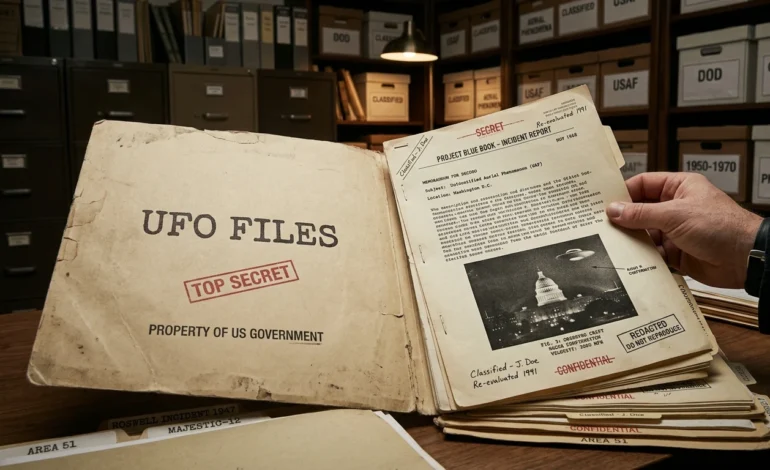
In the United States, the phrase “UFO files” has shifted from late-night radio talk to serious daytime discussion. Newsrooms, lawmakers, scientists, veterans, and everyday social media users now debate the same question: What exactly has the government recorded about unexplained objects in the sky—and what do those records show?
This renewed attention did not appear overnight. It grew from official disclosures, verified military videos, congressional hearings, and a cultural push for transparency. At the center of the trend sits a modern term the government prefers: UAP.
From UFO to UAP: A Language Shift With a Purpose
For decades, people used UFO to describe anything they could not identify in the sky. The label carried cultural baggage from movies, conspiracy theories, and science fiction. To bring seriousness and neutrality to the topic, U.S. agencies adopted a new phrase: UAP (Unidentified Aerial Phenomena).
This change did more than update vocabulary. It reframed the issue as an aviation and national security concern rather than a pop-culture curiosity. When officials say UAP, they refer to objects or observations that sensors, pilots, or radar systems cannot easily explain—without implying alien origin.
The 2017 Turning Point That Reignited Public Interest
In 2017, a major investigative report revealed that the U.S. Department of Defense had funded a quiet program to study unusual aerial encounters. That revelation shocked the public because it showed the government had treated the topic seriously for years.
Soon after, officials acknowledged the authenticity of three military videos that showed unknown objects moving in ways pilots struggled to explain. These clips—recorded by advanced aircraft sensors—spread rapidly online. People did not watch grainy amateur footage. They watched high-quality military recordings with pilot commentary.
That moment transformed UFO talk from speculation into documented, government-verified material.
Why “UFO Files” Became a Trend Again in 2025–2026
Several forces combined to push this topic back into headlines and timelines:
1) Official Reports From the Defense Community
U.S. defense offices released reports that catalogued hundreds of UAP incidents. Investigators explained many cases as drones, balloons, clutter, or sensor errors. However, they also admitted that a portion of sightings remained unexplained after analysis.
That honest admission fueled public curiosity. People asked: If advanced systems cannot explain everything, what remains?
2) Congressional Hearings and Testimonies
Members of Congress held hearings where military officers and intelligence officials testified under oath about UAP encounters. Lawmakers pressed for transparency, standardized reporting, and better data sharing across agencies.
These hearings legitimized the subject. When elected officials ask questions publicly, the media follows.
3) Declassification Demands
Citizens, journalists, and advocacy groups pushed for more declassified records. They requested radar logs, cockpit audio, satellite data, and incident summaries. The phrase “UFO files” began to represent this larger demand: Show us what you know.
4) Social Media Amplification
YouTube channels, TikTok creators, Reddit communities, and podcasts dissected every document, clip, and testimony. Viral edits, expert interviews, and dramatic thumbnails pushed the topic into mainstream feeds.
Unlike past decades, this wave traveled instantly across platforms.
What These “Files” Actually Contain
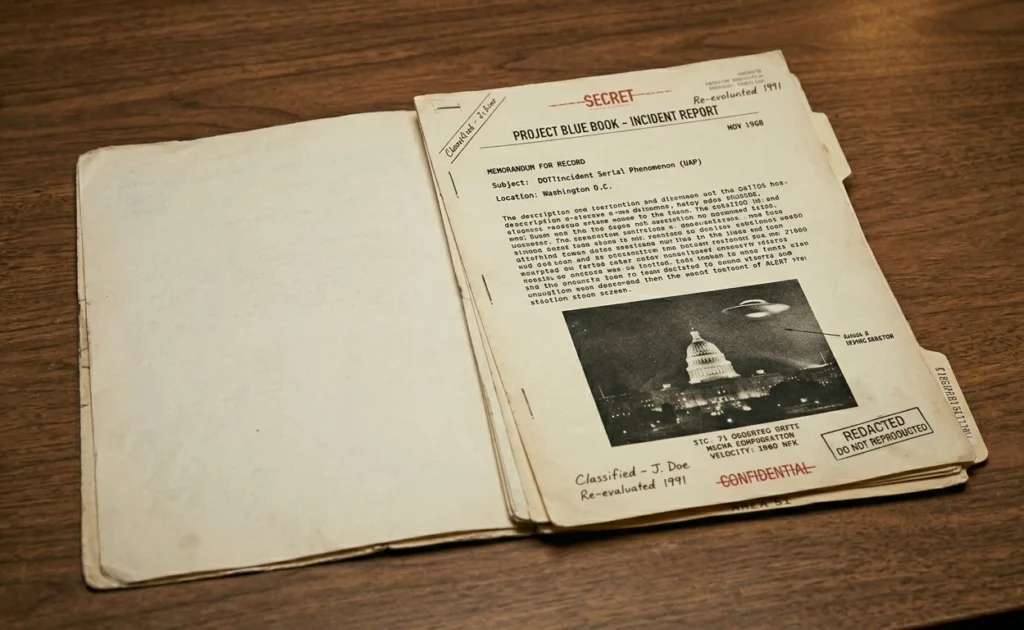
When people imagine “UFO files,” they often picture secret alien documents. In reality, most files include:
- Pilot sighting reports
- Radar and infrared sensor data
- Photographs or video from aircraft systems
- Written analysis by investigators
- Explanations that rule out common causes
- Cases marked “unresolved” due to insufficient data
These records focus on observation, not speculation. They document what happened, what equipment captured, and what analysts could or could not determine.
Why the Military Treats UAP as a Serious Issue
The military does not investigate UAP to search for extraterrestrials. It investigates them for three practical reasons:
- Airspace safety – Unknown objects near aircraft create collision risks.
- National security – Foreign drones or surveillance devices could mimic unusual behavior.
- Sensor reliability – Strange readings help engineers improve detection systems.
This pragmatic approach explains why agencies devote resources to the topic without making extraordinary claims.
The Role of Technology in Modern Sightings
Modern aircraft carry highly advanced tools:
- Infrared cameras
- Radar systems
- Motion tracking sensors
- High-definition targeting pods
These systems record data far beyond what the human eye can see. As a result, reports now include measurable movement, speed estimates, and heat signatures. That level of detail makes modern cases more compelling than older eyewitness stories.
At the same time, advanced sensors sometimes create confusing readings. Glitches, reflections, and atmospheric conditions can produce strange results that require careful analysis.
Why Some Cases Remain Unexplained
“Unexplained” does not mean “alien.” It often means:
- Insufficient data
- Sensor limitations
- Lack of visual confirmation
- Unusual but natural atmospheric effects
- Classified technology that analysts cannot publicly discuss
Investigators prefer to leave cases open rather than force weak conclusions. That caution keeps reports credible.
Media, Documentaries, and Pop Culture
Streaming platforms, news outlets, and documentary filmmakers quickly recognized public interest. They produced series that combined interviews with pilots, radar experts, physicists, and skeptics. These productions treated the topic with a balance of curiosity and analysis.
As a result, the public conversation matured. People began discussing aerodynamics, sensor physics, and data interpretation instead of only science fiction.
Public Curiosity and the Psychology of the Unknown
Humans naturally feel drawn to mysteries. UAP reports offer:
- Verified but puzzling data
- Official acknowledgment without full explanation
- A blend of science, security, and wonder
This combination keeps audiences engaged. People do not simply ask “Are aliens real?” They ask “What did the pilots see?” and “Why can’t the data explain it yet?”
The Internet’s Role in Keeping the Topic Alive
Online communities analyze every frame of released footage. They slow videos down, compare cases, invite experts, and debate interpretations. This collective analysis creates ongoing conversation long after news cycles move on.
Unlike older eras, information no longer disappears. It stays searchable, shareable, and discussable.
Skeptics, Scientists, and Balanced Debate
Healthy skepticism plays an important role in the discussion. Scientists and analysts often propose grounded explanations for strange sightings. They examine angles, lighting, optics, and sensor behavior.
This debate improves public understanding. It prevents the topic from drifting into pure speculation while keeping genuine questions alive.
Government Transparency: A Work in Progress
The U.S. government now encourages standardized reporting of UAP encounters. Agencies share information more openly than before. However, full transparency faces limits due to:
- National security concerns
- Classified technology
- Ongoing investigations
Even so, the level of openness today exceeds anything seen in previous decades.
Why the Term “UFO Files” Captures Attention
The phrase sounds dramatic and mysterious. It suggests hidden knowledge waiting to be revealed. Media headlines and social posts use it because it attracts curiosity quickly.
In practice, it refers to a growing archive of documented incidents and analyses that the public can review and discuss.
What This Trend Means for the Future
Interest in UAP will likely continue because:
- Technology will record more detailed data
- Pilots will report encounters more confidently
- Lawmakers will request ongoing updates
- The public will keep asking questions
As long as some cases remain unexplained, conversation will persist.
What We Know for Certain
We know that:
- Military personnel have recorded unusual aerial observations
- Advanced sensors captured data that analysts still study
- Officials admit some cases lack clear explanations
- No official source claims extraterrestrial origin
These facts create a space where curiosity meets caution.
A Cultural Moment, Not Just a Mystery
The UFO files trend represents more than strange lights in the sky. It reflects:
- A demand for government transparency
- Trust in data and documentation
- Public fascination with real, recorded mysteries
- A shift from rumor to recorded evidence
This cultural moment blends science, security, media, and curiosity into one ongoing story.
Final Thoughts
The conversation around UFO files in the USA continues to grow because it rests on real documentation, not just imagination. Government agencies acknowledge the phenomenon without exaggeration. Lawmakers ask questions publicly. Experts analyze data carefully. The public watches closely.
This balanced mix of evidence, uncertainty, and openness keeps people engaged. The topic no longer lives in the shadows of conspiracy forums. It stands in the light of official reports, serious discussion, and thoughtful debate.