Understanding the Auto Refinishing Process After Collision Damage
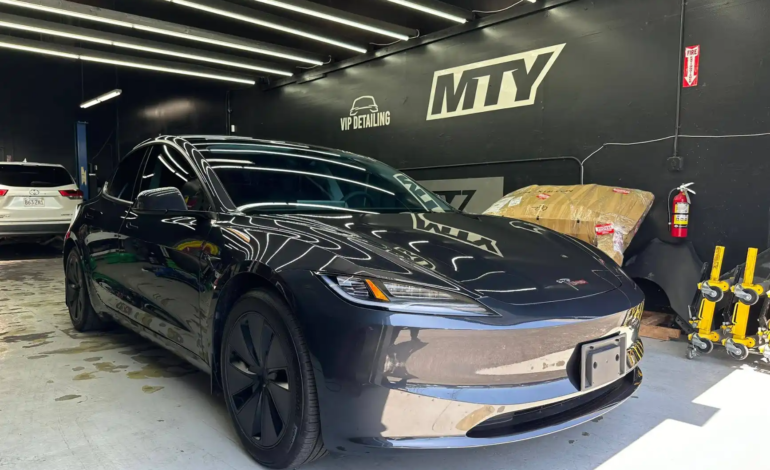
A vehicle accident can leave behind more than dents, scratches, and damaged body panels. Even after structural and mechanical repairs are completed, restoring a vehicle’s appearance requires a specialized process known as auto refinishing. This stage of repair plays a critical role in returning the vehicle to its pre-accident condition while protecting its exterior from environmental damage, corrosion, and premature wear. Many vehicle owners focus primarily on fixing visible damage after an accident, but the refinishing process is what ultimately restores the vehicle’s factory-quality appearance and long-term durability.
Modern automotive finishes are far more advanced than many people realize. Vehicle manufacturers invest heavily in paint technology to ensure durability, color consistency, weather resistance, and visual appeal. When collision damage occurs, simply applying a new coat of paint is not enough. Achieving a seamless repair requires extensive preparation, precise color matching, specialized equipment, and skilled craftsmanship. This is why professional auto refinishing remains one of the most important aspects of professional collision repair.
Understanding how the auto refinishing process works can help vehicle owners appreciate the expertise involved in restoring a damaged vehicle. From initial surface preparation to final polishing, every stage contributes to the quality, appearance, and longevity of the finished repair.
Why Auto Refinishing Is Essential After Collision Damage
When a vehicle sustains collision damage, the impact often affects more than just the metal or plastic components. Paint surfaces can crack, chip, peel, or separate from underlying materials. Even minor damage can expose metal surfaces to moisture and environmental contaminants, increasing the risk of corrosion.
Auto refinishing serves two important purposes. The first is restoring the vehicle’s appearance. Drivers naturally want their vehicles to look as good as they did before the accident. A high-quality refinishing process eliminates visible signs of repair and creates a seamless finish that blends with the surrounding surfaces.
The second purpose is protection. Automotive paint systems act as a barrier against sunlight, moisture, road debris, chemicals, and pollutants. Without proper refinishing, repaired areas may remain vulnerable to corrosion and deterioration. A professionally refinished surface helps preserve both appearance and structural integrity for years to come.
Because modern vehicles rely on advanced paint technologies and complex color formulas, achieving factory-quality results requires specialized training and equipment. This is why auto refinishing is considered an essential component of comprehensive collision repair services.
The Initial Inspection and Damage Assessment
Before any refinishing work begins, technicians perform a detailed inspection of the damaged area. This step helps determine the extent of the damage and identifies the repairs required before paint can be applied.
During the inspection process, technicians examine body panels, trim components, paint surfaces, and structural elements that may have been affected by the collision. They assess whether panels can be repaired or need replacement and evaluate the condition of surrounding paint.
This assessment also helps technicians develop a refinishing plan. Factors such as paint type, vehicle color, panel location, and blending requirements influence how the repair will be completed. A thorough evaluation ensures that the refinishing process is tailored to the specific needs of the vehicle.
Accurate assessment is critical because successful refinishing depends on proper preparation. Any underlying damage that remains unresolved can affect the quality and durability of the final finish.
Surface Preparation Creates the Foundation for Quality Results
Surface preparation is often considered the most important stage of auto refinishing. No matter how advanced the paint products may be, the final result will only be as good as the surface underneath.
Technicians begin by removing damaged paint, rust, contaminants, and imperfections from the repair area. Sanding equipment is used to create a smooth surface that promotes proper adhesion. Any dents or irregularities are repaired using specialized body fillers and shaping techniques.
The goal is to create a perfectly smooth foundation that allows paint to be applied evenly. Even small imperfections can become highly visible once paint and clear coat are applied. This is why professional refinishing technicians spend significant time preparing the surface before moving to the next stage.
Proper surface preparation also helps ensure long-term durability. Paint that is applied to a poorly prepared surface may peel, crack, or fail prematurely. Careful preparation reduces these risks and supports a longer-lasting repair.
Applying Primer for Protection and Adhesion
Once the surface has been properly prepared, technicians apply primer to the repair area. Primer serves several important functions within the refinishing process.
One of its primary roles is promoting paint adhesion. Primer creates a stable surface that allows base coat paint to bond effectively. Without primer, paint may not adhere properly, increasing the risk of future failure.
Primer also helps protect metal surfaces from corrosion. Modern primers contain protective properties that shield repaired areas from moisture and environmental exposure. This protection is especially important when repairs involve exposed metal components.
In addition, primer helps create a uniform surface that improves color consistency. Variations in the underlying material can affect how paint appears once applied. Primer helps eliminate these differences and supports a more consistent finish.
After application, the primer is allowed to cure before being sanded and refined. This process ensures a smooth surface that is ready for paint.
The Science of Color Matching
One of the most challenging aspects of auto refinishing involves matching the vehicle’s original paint color. Modern automotive finishes are available in thousands of unique shades, many of which include metallic, pearl, or multi-stage effects.
Even vehicles with the same factory paint code may display slight color variations due to age, weather exposure, manufacturing differences, and environmental conditions. As a result, achieving a perfect match requires more than simply selecting a paint code from a database.
Professional refinishing facilities use computerized color matching technology to identify the exact formula needed for the repair. Technicians often create test samples and make fine adjustments to ensure the new paint blends seamlessly with surrounding panels.
Accurate color matching is one of the reasons why professional collision repair delivers superior results compared to basic paint repairs. The goal is to ensure that repaired areas are virtually indistinguishable from the original finish.
Applying the Base Coat
Once color matching is complete, technicians begin applying the base coat. This layer provides the vehicle’s visible color and serves as the foundation for the final appearance.
The base coat is applied using specialized spray equipment within a controlled paint booth environment. Multiple thin coats are typically applied rather than one heavy layer. This approach promotes even coverage, improves color consistency, and reduces the risk of imperfections.
Technicians carefully monitor spray patterns, drying times, and environmental conditions throughout the application process. Maintaining precise control helps ensure a smooth and uniform finish across the repaired area.
In many cases, technicians also blend paint into adjacent panels. Blending helps eliminate visible transitions between repaired and original surfaces, creating a seamless appearance that enhances the overall quality of the repair.
The Importance of Clear Coat Application
After the base coat has been applied and properly cured, a clear coat is added to complete the refinishing process. The clear coat is a transparent protective layer that serves several critical functions.
One of its primary purposes is protecting the underlying color coat from ultraviolet radiation, moisture, chemicals, and environmental contaminants. Without this protection, paint can fade, oxidize, and deteriorate over time.
The clear coat also contributes significantly to the vehicle’s appearance. It creates depth, gloss, and reflectivity that enhance the visual quality of the finish. A properly applied clear coat gives the vehicle the smooth, polished appearance associated with factory paint.
Multiple layers of clear coat may be applied depending on the repair requirements. Once cured, the clear coat becomes an integral part of the vehicle’s protective finish.
Controlled Paint Booth Environments
Modern auto refinishing relies heavily on controlled paint booth technology. These specialized environments are designed to maintain optimal temperature, humidity, airflow, and cleanliness throughout the painting process.
Dust, debris, and contaminants can significantly affect paint quality. Even microscopic particles can create imperfections that become visible once the finish cures. Paint booths help minimize these risks by filtering airborne contaminants and maintaining controlled conditions.
Temperature control is equally important because paint products are formulated to perform within specific ranges. Consistent environmental conditions improve curing performance and contribute to more predictable results.
The use of professional paint booths is one of the key factors that separates high-quality collision repair services from less sophisticated repair methods.
Final Sanding and Polishing
Once the paint and clear coat have fully cured, technicians perform final finishing procedures to maximize appearance and quality. This stage often includes wet sanding, polishing, and buffing.
These processes remove minor imperfections, enhance gloss, and create a smooth, mirror-like finish. Skilled technicians carefully refine the surface without damaging the newly applied paint.
Final polishing also helps ensure consistency between repaired and surrounding areas. The objective is to create a finish that matches the appearance and texture of the original factory paint.
This attention to detail is what gives professionally refinished vehicles their showroom-quality appearance.
Quality Control and Inspection
Before a vehicle is returned to the customer, the refinishing work undergoes a comprehensive quality inspection. Technicians evaluate color accuracy, surface smoothness, gloss levels, panel alignment, and overall appearance.
Lighting conditions may be varied to inspect the finish from multiple angles. This helps identify any inconsistencies that may not be visible under standard lighting conditions.
The inspection process ensures that the repair meets industry standards and customer expectations. Any necessary adjustments can be made before the vehicle is released.
Quality control plays a critical role in delivering professional results and maintaining long-term customer satisfaction.
Why Professional Auto Refinishing Matters
Auto refinishing is a highly specialized process that combines science, technology, and craftsmanship. While paint may appear simple on the surface, achieving factory-quality results requires extensive training, advanced equipment, and attention to detail.
Attempting shortcuts during refinishing can lead to color mismatches, premature paint failure, visible repair lines, and reduced vehicle value. Professional collision repair facilities invest in the tools and expertise needed to deliver lasting results.
A properly refinished vehicle not only looks better but also benefits from improved protection against environmental damage and corrosion. This helps preserve the vehicle’s appearance, performance, and resale value for years to come.
Conclusion
Understanding the auto refinishing process helps highlight the complexity involved in restoring a vehicle after collision damage. From detailed surface preparation and primer application to advanced color matching, paint application, clear coating, and final polishing, every stage plays an important role in achieving a successful repair. Auto refinishing is far more than simply repainting damaged areas. It is a comprehensive process designed to restore appearance, protect the vehicle, and ensure long-term durability.
As part of professional collision repair, refinishing helps return vehicles to pre-accident condition while preserving their value and visual appeal. By investing in quality collision repair services, vehicle owners can ensure that repairs meet industry standards and provide lasting protection against future wear and environmental exposure.
Trusted Collision Repair Services From MTY Collision
When it comes to restoring a vehicle after an accident, quality workmanship and attention to detail make all the difference. MTY Collision is a trusted Bay Area auto body repair shop offering comprehensive Professional collision repair solutions, including auto refinishing, collision restoration, bumper repair, frame straightening, glass replacement, and insurance claim assistance. Their skilled technicians use advanced repair techniques and factory-quality refinishing processes to help restore vehicles safely and professionally. If you are looking for reliable Collision repair services backed by experience and customer-focused care, visit Collision repair services to learn more about how MTY Collision can help restore your vehicle to its best condition.