
Search “Wegovy vs Mounjaro” and you’ll find a dozen near-identical charts listing doses and side effects side by side. Useful, sure. But if weight loss is specifically what you’re after, most of those charts skip the questions that actually decide which one fits your life.
This isn’t a rehash of the spec sheet. It’s the weight-loss-specific version of the comparison — the one that starts with a detail for most articles to bury.
First, a Naming Problem Worth Clearing Up
Mounjaro is approved for type 2 diabetes. Full stop — that’s its FDA indication. The weight-loss version of the same drug, tirzepatide, is sold under a different name: Zepbound.
Some people still get prescribed Mounjaro off label for weight loss, especially if they also have diabetes or prediabetes. But if you’re comparing purely for weight loss, the more accurate matchup is Wegovy vs. Zepbound — same active ingredients as “Wegovy vs. Mounjaro,” just under the label that matches your goal. Worth mentioning to your provider so you’re not chasing the wrong prescription.
For simplicity, this article treats “Mounjaro” and “Zepbound” as the same weight-loss compound (tirzepatide), since that’s how most people are searching.
Weight Loss Results: What the Evidence Actually Shows
Here’s the direct answer people usually want first: in trials comparing the two head-to-head, tirzepatide (Mounjaro/Zepbound) has generally produced greater average weight loss than semaglutide (Wegovy) at maximum doses.
That gap isn’t massive, and it’s shrunk since Wegovy’s higher-dose formulation became available. Semaglutide at its new higher dose closed much of the distance that earlier comparisons showed.
None of this tells you what’ll happen to you specifically. Average trial results describe a population, not a person. Some people respond dramatically to semaglutide and modestly to tirzepatide. The reverse happens, too. Genetics, starting weight, diet consistency, and activity level all shape the outcome as much as the molecule does.
Appetite Suppression: The Part People Actually Feel
Weight loss numbers matter, but day-to-day, what people notice first is appetite. This is where tirzepatide’s dual mechanism — acting on both GLP-1 and GIP receptors — tends to stand out.
Many people describe tirzepatide’s appetite suppression as more pronounced, particularly around food noise: the constant background thoughts about eating that a lot of people with obesity describe as exhausting. Semaglutide affects this too, just through a single hormone pathway rather than two.
If appetite control is your main frustration going in, that’s a reasonable thing to raise directly with your provider — it’s a more useful conversation starter than dose comparisons alone.
Tolerability: Where the Real Trade-Off Lives
Stronger appetite suppression often comes with a trade-off, and it’s the same one across both drugs: gastrointestinal side effects. Nausea, vomiting, diarrhea, and constipation are common in the early weeks and during dose increases.
Some people tolerate tirzepatide better than semaglutide. Others find the opposite true. There’s no reliable way to predict which one your body will handle more smoothly — this is genuinely trial-and-error territory, and it’s one of the better reasons to have an honest conversation with your prescriber about switching if the first option doesn’t sit well.
Practical Factors That Rarely Make the Comparison Charts
Injection frequency and pens. Both are weekly injections, but pen design differs between manufacturers. If dexterity or needle anxiety is a factor for you, ask to see both devices before deciding — it’s a small thing that affects adherence more than people expect.
Insurance coverage. This shifts constantly and varies by plan, employer, and diagnosis code. A weight-loss-specific diagnosis sometimes gets you Wegovy or Zepbound coverage where a general prescription wouldn’t. Don’t assume; call your insurer and ask specifically what’s covered under your plan’s weight-management benefit.
Supply. Both drug families have dealt with shortages at different points. Availability at your local pharmacy can end up being the deciding factor regardless of which drug you’d otherwise prefer.
Lifestyle Still Matters
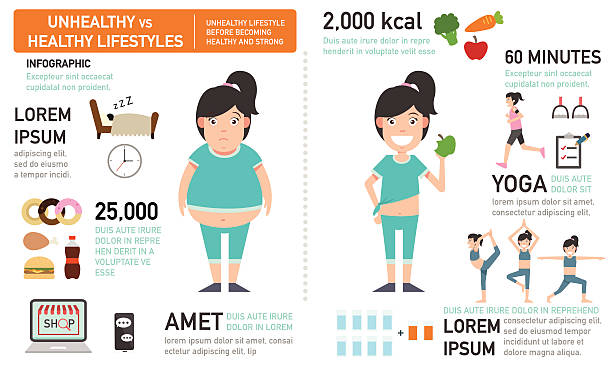
Although medications like Wegovy and Mounjaro can support significant weight loss, they work best when combined with healthy lifestyle habits. Eating a balanced diet, staying physically active, getting enough sleep, and attending regular follow-up appointments can improve long-term results. These medications are intended to support a comprehensive weight management plan rather than replace healthy behaviors. Working closely with your healthcare provider helps ensure your treatment remains safe, effective, and aligned with your personal health goals.
So Which One Should You Actually Start With?
If maximizing average weight loss is your top priority and you tolerate GI side effects reasonably well, tirzepatide-based treatment (Mounjaro or Zepbound) has the edge in head-to-head data. If you’d rather start with a longer-established track record and a gentler introduction to the medication class, Wegovy remains a well-studied, effective option.
Either way, this decision isn’t really yours to make alone — not because you lack the judgment, but because a provider can see your labs, your history, and your risk factors in ways a comparison article never will. Bring what you’ve learned here into that appointment. It’ll make the conversation sharper and the decision faster.
The next real step is booking that conversation, not reading another comparison chart. hoosing between Wegovy vs Mounjaro should always involve a healthcare provider who can recommend the most appropriate treatment for your needs.