IV Drip Aftercare: What Should You Avoid?
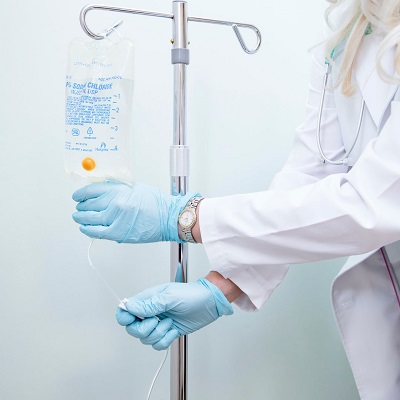
An IV Drip can deliver fluids, vitamins, minerals, or other prescribed ingredients directly into the bloodstream. Because the treatment bypasses the digestive system, many people wonder what they should and should not do afterward. Proper aftercare can help support comfort, reduce the chance of irritation around the injection site, and allow the body to recover normally.
While most people can return to their usual activities after an IV Drip, aftercare recommendations can vary depending on what was administered, why the treatment was given, and the individual’s overall health. Following the instructions provided by a qualified healthcare professional is therefore important.
Knowing what to avoid after an IV Drip is just as useful as knowing what to do. Certain activities, beverages, medications, or strenuous habits may not be appropriate immediately after treatment. This guide explains the common precautions in an easy-to-understand way.
What Happens After an IV Drip?
After an IV Drip is completed, the healthcare professional usually removes the IV cannula and places a small dressing over the insertion site. The area may feel slightly tender for a short period. Some people may also notice mild redness or a small bruise where the needle was inserted.
Depending on the ingredients and purpose of the infusion, a person may feel normal immediately or experience temporary sensations such as tiredness, lightheadedness, warmth, or increased energy. These effects can differ significantly from one person to another.
The body continues processing the fluids and nutrients after the infusion has finished. For that reason, taking a few sensible precautions can make the hours following treatment more comfortable.
Avoid Strenuous Exercise Immediately After an IV Drip
One of the most common aftercare recommendations is to avoid intense physical activity immediately following treatment.
Heavy exercise, weightlifting, running, or other demanding workouts can increase blood flow and place additional stress on the body. If the IV insertion site is still tender, vigorous movement may also make the area uncomfortable.
A gentle walk is often more appropriate if the person feels well enough to move around. Returning to a normal exercise routine can depend on the type of IV treatment, the individual’s health, and how the person feels afterward.
Anyone who experiences dizziness, unusual weakness, nausea, or other concerning symptoms should avoid exercise and rest until the symptoms settle. If symptoms are significant or persistent, professional medical advice should be sought.
Avoid Excessive Alcohol After an IV Drip
Alcohol may be best avoided for a period after an IV Drip, particularly when the infusion contains medications or ingredients that can interact with alcohol.
Alcohol can also contribute to dehydration and may make certain side effects, such as dizziness or lightheadedness, more noticeable. This can be especially relevant if the IV treatment was provided to support hydration.
The appropriate amount of time to avoid alcohol depends on the specific infusion and the person’s circumstances. If medication was included in the IV treatment, the healthcare professional should be asked when alcohol can safely be consumed.
It is important not to assume that an IV Drip cancels out the effects of alcohol or prevents alcohol-related dehydration. An infusion should not be considered a way to compensate for excessive drinking.
Avoid Ignoring the IV Insertion Site
After an IV Drip, the insertion area should be kept under observation. Mild tenderness or a small bruise can occur and may resolve naturally.
However, repeatedly touching, rubbing, scratching, or putting unnecessary pressure on the area can cause additional irritation. The dressing should generally be left in place according to the instructions provided by the healthcare professional.
People should pay attention to changes such as increasing redness, swelling, warmth, significant pain, bleeding, or discharge. These symptoms do not necessarily indicate a serious problem, but they deserve appropriate attention.
If the area becomes increasingly painful or swollen, or if there are signs that could indicate infection or another complication, medical advice should be obtained rather than simply waiting for the problem to disappear.
Avoid Becoming Dehydrated
Although an IV Drip provides fluids in many cases, it does not mean a person should stop drinking water afterward.
Normal hydration remains important because the body continuously loses fluid through urination, breathing, sweating, and other natural processes. Unless a healthcare professional has advised fluid restriction for a specific medical reason, drinking an appropriate amount of water can support normal hydration.
Caffeinated beverages and alcohol may affect hydration differently depending on the amount consumed and the person’s individual circumstances. Water is generally a simple choice for maintaining fluid intake.
A person who has received an IV Drip for a particular medical reason should follow the hydration instructions provided by the treating professional rather than relying on general recommendations.
Avoid Taking New Medications or Supplements Without Checking
An IV Drip may contain vitamins, minerals, electrolytes, medications, or other substances. Because of this, it is important to know what was included in the infusion before adding other medications or supplements.
Taking additional supplements unnecessarily can sometimes lead to excessive intake of particular nutrients. Certain medications and supplements can also interact with one another.
This does not mean that prescribed medication should automatically be stopped after an IV Drip. Medication changes should only be made with appropriate medical guidance.
Before taking a new supplement or over-the-counter medication after treatment, the individual should check whether it is compatible with the substances received through the infusion. A healthcare professional or pharmacist can provide guidance when there is uncertainty.
Avoid Overexertion and Give the Body Time to Recover
An IV Drip may be a relatively quick procedure, but the body can still benefit from a calm recovery period afterward. Someone who feels tired, dizzy, or generally unwell should not push through those symptoms.
Getting adequate rest, eating regular meals when appropriate, and maintaining normal hydration can help support general well-being. There is usually no need to make dramatic changes to a person’s routine unless specific instructions have been provided.
It is also sensible to avoid activities that could become dangerous if sudden dizziness occurs. For example, someone who feels lightheaded should not immediately drive, operate machinery, climb heights, or participate in strenuous physical activities.
Listening to the body is an important part of IV Drip aftercare. Feeling completely normal may allow a person to resume everyday activities sooner, while unusual symptoms may indicate a need for additional rest or medical advice.
What Symptoms Should Not Be Ignored After an IV Drip?
Most people do not experience serious problems after an IV infusion, but complications can occasionally occur. Some symptoms require prompt attention.
Mild soreness or a small bruise around the insertion site may not be unusual. However, increasing pain, significant swelling, spreading redness, warmth, pus-like discharge, or persistent bleeding should be evaluated.
More general symptoms can also matter. Difficulty breathing, chest pain, fainting, severe weakness, confusion, facial or throat swelling, or signs of a serious allergic reaction require urgent medical attention.
The exact risks depend on what was administered and the person’s medical history. For that reason, unusual symptoms should not automatically be attributed to a normal reaction to an IV Drip.
If someone feels significantly worse after treatment, contacting a healthcare professional promptly is the safest approach.
How to Make IV Drip Aftercare Easier
Good aftercare does not have to be complicated. A few simple habits can make the recovery period more comfortable.
First, the person should follow the specific instructions provided after the infusion. Those instructions may differ depending on the contents of the IV and the reason for treatment.
Second, adequate rest can be helpful, especially if the person feels tired or lightheaded. Third, normal hydration and balanced meals can support general well-being when there are no medical restrictions.
The IV site should also be monitored without repeatedly disturbing it. Any unusual changes should be reported when appropriate.
Finally, expectations should remain realistic. An IV Drip is not a substitute for a balanced diet, adequate sleep, regular physical activity, or appropriate medical treatment. Its purpose depends on the reason it was administered and the substances used.
Frequently Asked Questions About IV Drip Aftercare
1. Can someone exercise after an IV Drip?
Light activity may be comfortable for some people, but strenuous exercise is generally better postponed immediately after treatment, particularly if the person feels tired, dizzy, or uncomfortable. The timing for returning to intense exercise depends on the individual and the type of infusion received.
2. Can someone drink coffee after an IV Drip?
There is not one rule that applies to every IV treatment. Coffee may be acceptable for some people, but individual circumstances and the contents of the infusion matter. Anyone with concerns should follow the aftercare instructions provided by the healthcare professional.
3. How long should alcohol be avoided after an IV Drip?
The recommended period can vary depending on what was included in the infusion. Alcohol can contribute to dehydration and may interact with certain medications, so the healthcare professional should be consulted for personalized guidance.
4. Can someone shower after an IV Drip?
In many cases, a person can shower after an IV infusion, but the insertion site should be treated according to the instructions provided. Excessive rubbing or irritation around the area should be avoided, especially while the site is still tender.
5. Is bruising normal after an IV Drip?
A small bruise can occur where the IV needle was inserted. It may gradually fade over several days. However, significant swelling, worsening pain, spreading redness, or other unusual changes should be discussed with a healthcare professional.
6. When should someone seek medical help after an IV Drip?
Urgent medical attention may be necessary if someone develops severe difficulty breathing, chest pain, fainting, severe swelling, signs of a serious allergic reaction, or other severe symptoms. Increasing pain, redness, swelling, warmth, or discharge at the IV site should also be medically assessed.
Final Thoughts
Knowing what to avoid after an IV Drip can make the recovery period safer and more comfortable. Avoiding strenuous exercise immediately afterward, limiting or avoiding alcohol when advised, protecting the IV insertion site, maintaining appropriate hydration, and checking before adding new medications or supplements are sensible precautions.
Most importantly, aftercare should be based on the specific treatment received. Different IV infusions can contain different substances, and individual health conditions can influence what is considered appropriate.
A person should always follow the instructions given by the healthcare professional who administered the IV treatment. If unexpected or severe symptoms develop, professional medical advice should be sought rather than attempting to manage the issue independently.
Read More About IV Drip: https://www.friendbookmark.com/blogpost/80200/how-long-do-the-effects-of-an-iv-drip-last